Introduction
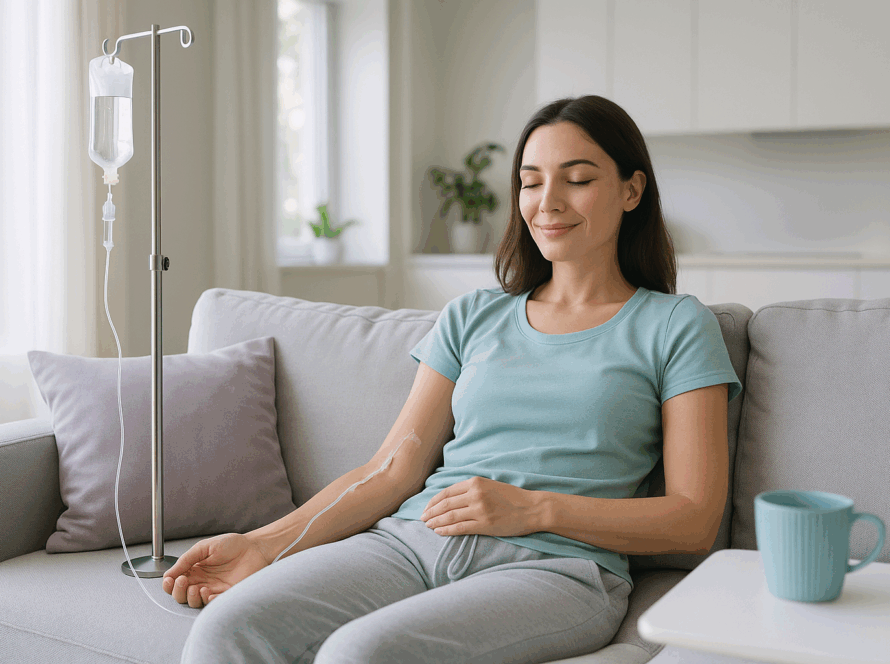
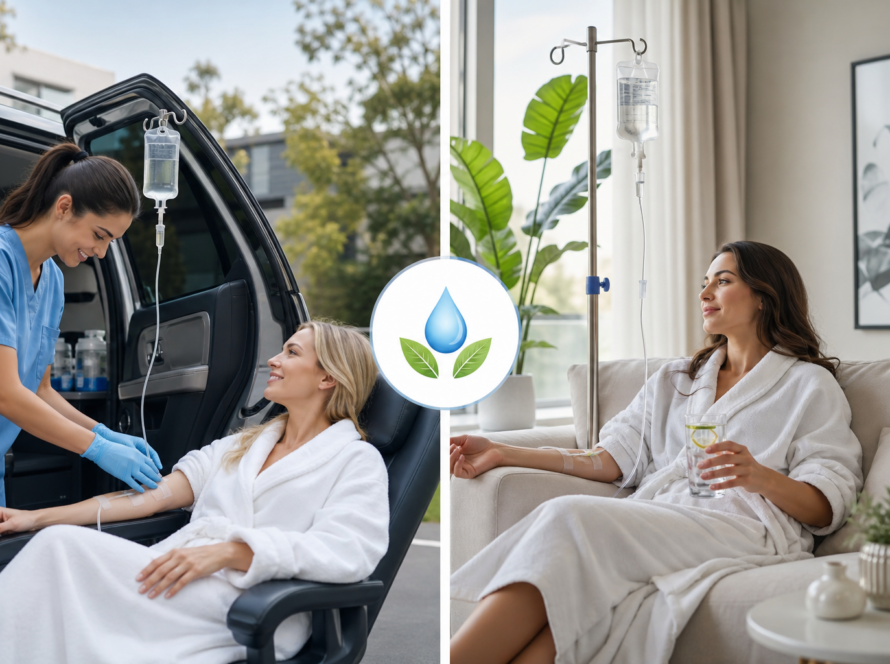
Mobile and at-home IV therapy makes wellness convenient: licensed clinicians bring hydration, vitamins, and targeted infusions directly to your door so you can rest and recover in comfort. Convenience is powerful, but safety must come first. This checklist helps adults establish clear safety expectations, recognize red flags, and support better outcomes when choosing mobile IV or at-home infusion services. It also covers simple steps you can take at home to optimize wellness before and after treatment.
Why safety matters with at-home IV care
IV therapy bypasses digestion and delivers fluids and nutrients directly into the bloodstream — that speed means it can be highly effective, but it also requires strict infection control, clinical screening, and emergency preparedness. Proper technique, single-use supplies, and trained medical oversight reduce risks like local infection, allergic reaction, or infusion-related complications. ([cdc.gov](https://www.cdc.gov/infection-control/hcp/isolation-precautions/recommendations.html?utm_source=openai))
Pre-visit screening: questions every provider should ask
Before a mobile visit, a clinician should complete a clinical intake that screens for contraindications, current medications, allergies, recent illness, and prior adverse reactions to IVs or medications. A formal medical director, standing orders, or telehealth consult should be available when needed. If the provider skips a medical intake or can’t explain how they screen clients, pause and ask for clarification. ([pureiv.com](https://www.pureiv.com/our-process?utm_source=openai))
Checklist: what to confirm during booking
- Licensed clinician assigned to your visit (RN, NP, or physician oversight).
- Pre-screen or tele-visit completed to confirm treatment is appropriate.
- Clear cancellation/refusal policy if the clinician finds a medical reason to stop the infusion.
- Emergency plan and basic life support (BLS) certification for the attending clinician.
Arrival and setup: on-site safety essentials
When the clinician arrives, look for clean, organized setup and transparent communication. They should explain the treatment, expected benefits, and possible side effects before starting. Hands should be washed or disinfected, and the IV site prepped with an antiseptic. All infusion sets and tubing must be single-use and discarded after the session. If you see reused equipment, ask the clinician to replace it. ([cdc.gov](https://www.cdc.gov/infection-control/hcp/isolation-precautions/recommendations.html?utm_source=openai))
Checklist: observe during setup
- Clinician verifies identity and reviews intake before preparing the IV.
- Medication labels/IV bag contents are read aloud and matched to the consented treatment.
- Use of aseptic technique: gloves, antiseptic skin prep, and sterile or single-use supplies.
- Sharps disposal and biohazard waste bag present on-site.
Emergency readiness and response
Even low-risk wellness infusions require a plan for adverse events. The mobile team should carry emergency medications (e.g., epinephrine for anaphylaxis), oxygen, and a protocol for contacting emergency services if needed. They should also have a process to document and report adverse events to their medical director. Confirm in advance how the team handles urgent situations and where they will transport you if necessary. ([ivwellnessmobile.com](https://ivwellnessmobile.com/wp-content/uploads/IV-Wellness-Mobile-Policy-Manual-3.16.2025.pdf?utm_source=openai))
Checklist: emergency preparedness
- Clinician has BLS and knows local emergency numbers.
- Emergency kit available (epinephrine, antihistamine, basic airway support).
- Clear plan for escalation and documentation of adverse events.
Aftercare: what to expect and how to support recovery
After the infusion, the clinician should observe you briefly, remove the IV using safe technique, and provide written aftercare instructions. Common aftercare steps include keeping the site clean and dry for a short period, monitoring for redness or swelling, staying hydrated by drinking fluids, and reporting any fever, increasing pain, or drainage immediately. For many wellness visits, a short rest and light fluids help consolidation. If you received a targeted infusion such as a hydration drip or a recovery formula, follow any specific nutrition or activity recommendations your clinician gives.
Checklist: home care
- Keep the site clean; avoid heavy activity that strains the limb for a day.
- Watch for signs of infection: spreading redness, fever, or pus.
- Note any allergic symptoms (hives, wheeze, throat tightness) and seek immediate care if they occur.
- Follow-up contact details and instructions provided by the clinician.
Choosing a trustworthy mobile IV provider
Trustworthy services emphasize clinical oversight, transparent pricing, and clear policies. Ask whether a medical director signs protocols, confirm clinician licenses and certifications, and request an explanation of supply sourcing and documentation practices. Well-run mobile clinics treat each visit like a clinical encounter — not a pop-up wellness purchase. ([pureiv.com](https://www.pureiv.com/our-process?utm_source=openai))
Practical questions to ask before booking
- Who is the medical director and how do they supervise mobile treatments?
- What emergency equipment and medications does the team carry?
- How are supplies traced and disposed of after each visit?
- Can the clinician explain the infusion ingredients and expected effects?
Complementary wellness steps that support IV outcomes
IV therapy works best alongside basic wellness habits. Prioritize hydration, balanced meals with protein and electrolytes, sleep quality, and moderate activity. Consider simple labs or wellness panels if you plan frequent infusions to track nutrient status and safety. For targeted needs, a hydration or recovery infusion performed at home can be an efficient complement to sleep, nutrition, and movement. For example, our mobile service offers treatments designed for quick rehydration and recovery that can be delivered in your home. Mobile Wellness Clinic and clinic options like Hydration IV Therapy, Recovery IV Therapy, and a full saline option such as Normal Saline – 1000mL are available to support safe, effective recovery when clinically appropriate.
Red flags—when to cancel or walk away
If a provider declines to complete a medical intake, uses visibly reused supplies, refuses to confirm licensing, or can’t describe their emergency protocols, do not proceed. Also decline treatments if you feel pressured into add-ons or if the clinician dismisses your questions about risks or expected effects. Your comfort and informed consent are essential.
Conclusion
Mobile and at-home IV therapy can be a safe, effective tool for busy adults who want convenient support for hydration, recovery, or nutrient repletion. Prioritize providers with clinical oversight, formal intake processes, single-use supplies, and clear emergency plans. Use this checklist before, during, and after visits to protect your health while enjoying the benefits of mobile wellness care.
For trusted on-demand options that prioritize safety and clinical oversight, learn more about our Mobile Wellness Clinic and scheduling. Your safety matters—never hesitate to ask questions and confirm credentials before any at-home infusion.