Introduction
Mobile IV therapy and at‑home IV services have become a popular option for busy people who want convenience without sacrificing quality of care. But “mobile” and “at‑home” aren’t always interchangeable — and the best choice depends on your health history, treatment goals, and the level of medical oversight you need. This guide explains the differences, safety considerations, and practical tips to help you choose an option that fits your wellness routine.
What’s the difference: mobile IV therapy vs at‑home IV therapy
Both services bring intravenous hydration, vitamins, and targeted infusions to a non‑clinic setting, but there are important distinctions to keep in mind:
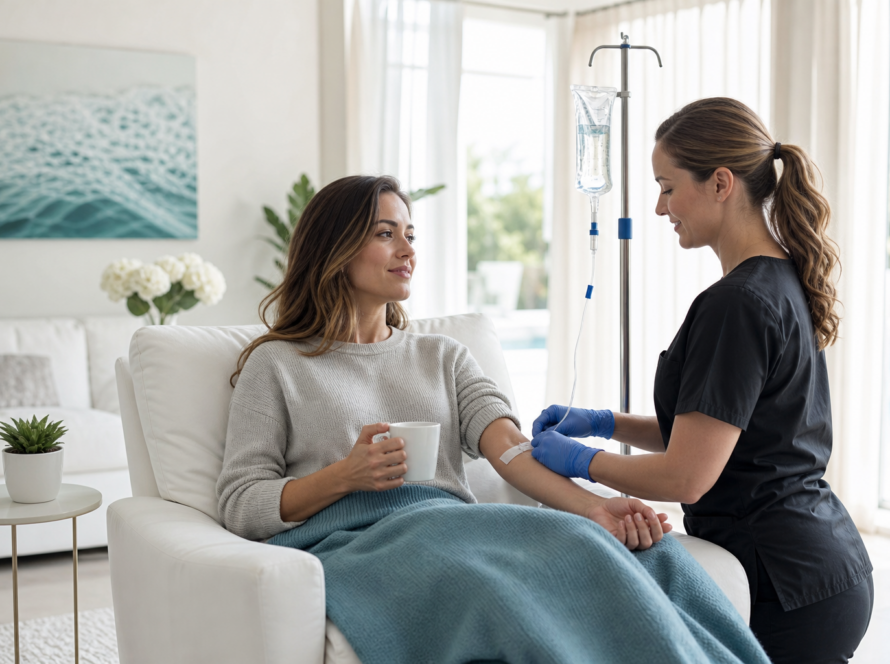
- Mobile IV therapy: Typically delivered by licensed clinicians who travel to your home, workplace, hotel, or event. Many mobile programs operate under a clinic or medical director and often offer the full menu of drips and injections.
- At‑home IV therapy: A broader category that can include mobile provider visits, home‑health nurse services ordered by a physician, or self‑managed home infusion in the case of long‑term therapies. The level of oversight, equipment, and monitoring varies widely.
Benefits of choosing mobile or at‑home IV therapy
There are several clear advantages that make mobile and at‑home IV options appealing for wellness seekers:
- Convenience: Treatments come to you, saving travel time and letting you rest in a familiar environment.
- Personalized care: Many providers tailor drips to your needs and add one‑on‑one clinician time for questions and aftercare advice.
- Comfort and privacy: Receiving care at home can reduce anxiety for those who avoid clinical settings.
- Integrated recovery: Mobile visits are ideal for post‑event recovery, travel fatigue, or when rest and rehydration are top priorities.
Risks and safety considerations
IV therapy is generally safe when delivered by trained clinicians using proper protocols, but risks exist and are magnified if standards slip. Important safety points include:
- Proper screening: A credible provider should screen for contraindications (e.g., kidney disease, heart failure, allergies, certain medications) before any infusion.
- Clean technique and infection control: Sterile technique, single‑use supplies, and appropriate PPE help prevent bloodstream infections and local complications.
- Medical oversight and emergency plan: Ask whether a medical director oversees protocols, how adverse reactions are handled, and whether staff have ACLS/first‑aid training.
- Accurate dosing and monitoring: High‑dose or specialty infusions can require prolonged observation or clinic‑level equipment; these may be better in a controlled setting.
How to choose: a practical checklist
Use this checklist when comparing mobile or at‑home IV providers — it helps you balance convenience with safety and results.
- Verify credentials: Confirm clinicians are licensed (RN, NP, PA) and that a physician medical director is available.
- Ask about screening: Ensure the provider conducts a health history and checks for contraindications before treatment.
- Review infection‑control practices: Ask about single‑use supplies, sterile preparation, and how they clean the treatment area.
- Emergency protocol: Know their plan for allergic reactions, infiltration, or other adverse events and whether they carry emergency medications and equipment.
- Transparency on ingredients: Request a written list of what’s in the infusion and any expected side effects.
- Clear pricing and fees: Confirm the base price, any mobile convenience fee, and what is included in the visit.
- Aftercare guidance: Good providers offer post‑visit instructions and a clinician contact if you have questions or symptoms after the infusion.
When mobile or at‑home IV is a good fit
Consider mobile or at‑home IV therapy if you want fast rehydration, support during recovery, or a wellness boost without travel. Examples include:
- Rehydration and electrolyte rebalance after strenuous activity or travel — a Hydration IV Therapy can be a targeted option for this. (Hydration IV Therapy)
- Immune or resilience support when you’re short on time — an Original IV Therapy (Myers Cocktail) offers a well‑rounded immune and recovery blend. (Original IV Therapy – Myers Cocktail)
- Post‑event or post‑illness reset — a Recovery IV Therapy helps replenish nutrients and antioxidants after a heavy exertion or rough week. (Recovery IV Therapy)
When to choose a clinic or hospital instead
Some situations are better managed in a clinic or hospital environment where continuous monitoring, lab access, or advanced equipment is available. Choose an in‑clinic setting if you have:
- Complex medical conditions (e.g., heart or kidney disease) or unstable vitals.
- Need for high‑volume, high‑dose, or prolonged infusions that require monitoring.
- Severe symptoms such as shortness of breath, chest pain, high fever, or signs of sepsis.
Integrating IV therapy into a holistic wellness plan
IV therapy works best as one tool among many. Pair targeted infusions with lifestyle practices to extend benefits:
- Hydrate consistently: Drink water with electrolytes between sessions to maintain cellular balance.
- Nutrition first: Whole foods, lean protein, and color‑rich produce support long‑term nutrient status.
- Movement and recovery: Gentle exercise, stretching, and sleep hygiene promote circulation and cellular repair.
- Mind‑body practices: Stress reduction (breathwork, meditation) supports digestion, immunity, and recovery.
For ongoing or performance‑focused plans, consider adding services that complement IV therapy — for example, targeted injections, blood panels, or coaching — and discuss a tailored approach with your clinician. A Mood Support IV Therapy can be a thoughtful complement when stress and mood are part of the picture. (Mood Support IV Therapy)
Conclusion
Mobile and at‑home IV therapy can be an efficient, effective part of a modern wellness toolkit when you choose a reputable provider and combine infusions with smart lifestyle practices. Prioritize credential verification, infection control, and clear emergency protocols, and be honest about your medical history. When chosen thoughtfully, on‑demand IV therapy—delivered safely—can help you recover faster, hydrate smarter, and support targeted wellness goals without disrupting your life.
If you’re curious about mobile options provided by a licensed team, Forever Young offers a Mobile Wellness Clinic that brings the same menu of drips and injections to your location with clinician oversight and a clear convenience fee structure. (Forever Young Mobile Wellness Clinic)