Introduction
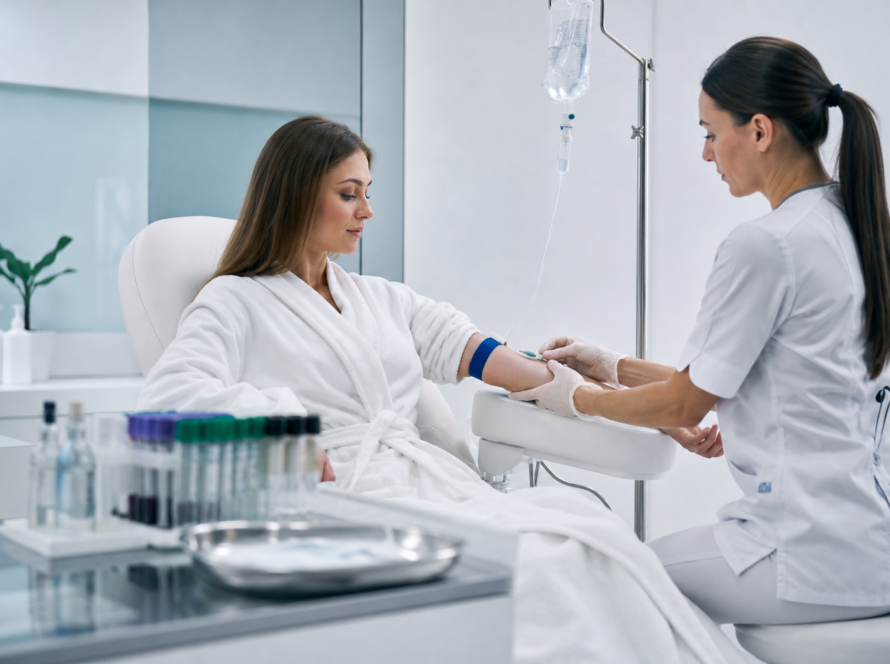
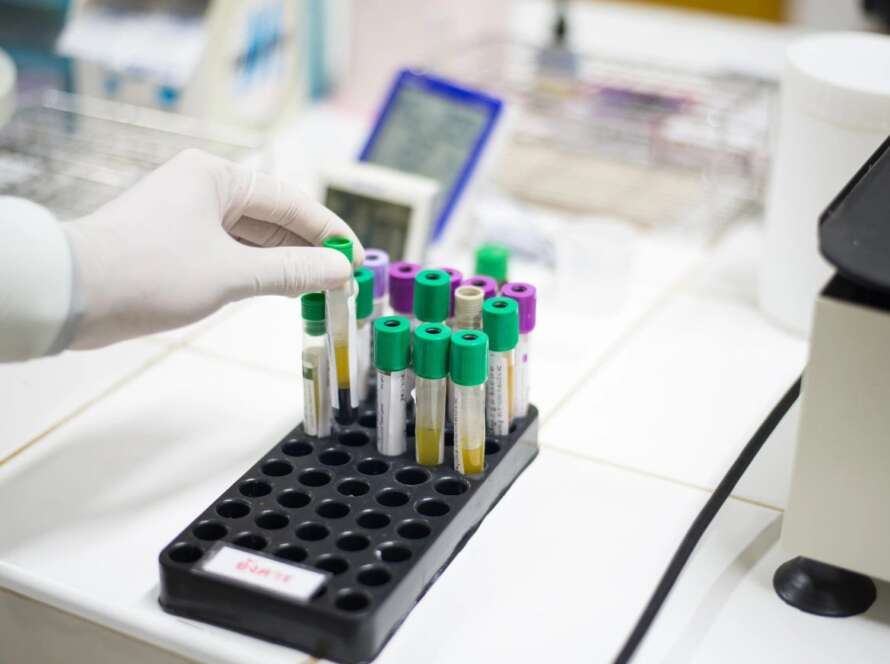
Planning an aesthetic treatment—whether a subtle filler, a laser session, or a surgical enhancement—means more than choosing a provider and a procedure. Thoughtful pre-treatment lab testing protects your safety, optimizes outcomes, and informs a personalized wellness plan. This article explains the essential labs commonly recommended before aesthetic procedures, what they reveal about your health, and how those results can guide safer, more effective care that aligns with your long-term wellness goals.
Why pre-treatment labs matter
Laboratory testing provides objective data that helps clinicians assess risk and build individualized plans. Labs can uncover issues that affect healing, bleeding risk, infection risk, and how your body responds to medications or injectables. For patients in their mid-30s to mid-40s—an age range where hormonal shifts, metabolic changes, and cumulative lifestyle factors can emerge—baseline testing is especially useful for tailoring treatments and preventing complications.
Key benefits of baseline testing
- Identify silent conditions (anemia, thyroid dysfunction, glucose dysregulation) that change treatment decisions.
- Clarify bleeding or clotting risk before invasive procedures.
- Detect active infection or inflammation that should delay elective treatments.
- Provide a baseline to measure post-treatment recovery and long-term wellness.
Common panels and what they tell you
Not every patient needs every test. Providers choose panels based on the invasiveness of the procedure, the patient’s health history, and specific aesthetic goals. Below are practical, widely used panels and what they reveal.
General Wellness Panel
A General Wellness Panel offers an efficient snapshot of metabolic and blood health: basic metabolic markers, liver and kidney function, and hematology. This is a great first step for anyone considering elective aesthetic treatments because it flags common, modifiable risks before a procedure. Learn more about the General Wellness Panel here: General Wellness Panel.
Hormone and reproductive panels
Hormones influence skin quality, healing, fat distribution, and energy. For women, a detailed female pre-panel or female hormone check can reveal imbalances that affect procedure timing and expectations. Men may benefit from male pre-panels when planning body-contouring or hormone-related therapies. If fertility or pregnancy is a possibility, providers will discuss pregnancy testing and reproductive considerations before proceeding.
Explore targeted hormone testing here: Female Pre-Panel and Male Pre-Panel.
Pre-surgery and immuno-nutrition screening
When aesthetic care involves surgery—or even deeper soft-tissue work—pre-op nutritional and immune assessments help optimize healing. A pre-surgery protocol that pairs targeted labs with nutritional planning can lower complication risk and speed recovery. For patients preparing for surgical aesthetic procedures, consider a preoperative support plan along with focused labs: Intensive Immuno Nutrition Pre-Surgery.
Special considerations that often change plans
Certain findings or histories can alter the timing or technique of an aesthetic treatment. Here are common considerations to discuss with your provider.
- Bleeding risk: Low platelets, anticoagulant medications, or abnormal coagulation studies may prompt procedural delays or alternative approaches.
- Active infection or inflammation: Cold sores, sinus infections, or skin inflammation at the treatment site usually require postponement until resolved.
- Autoimmune or immunosuppressant therapy: These conditions can affect healing and infection risk; labs and medication review will guide timing and precautions.
- Hormonal fluctuations: For women, cycle phase or menopausal status may influence swelling and recovery after some procedures; targeted hormone panels clarify optimal timing.
- Medication interactions: Some medications and supplements (e.g., high-dose fish oil, NSAIDs) can affect bruising and bleeding—disclose everything you take.
How labs guide safer aesthetic and wellness planning
Lab results are more than a pass/fail checklist—they’re a roadmap. Normal labs reassure both patient and provider that a planned treatment is low risk. Abnormal but treatable findings (low iron, vitamin deficiencies, mild thyroid dysfunction) create an opportunity to optimize health first, improving both safety and aesthetic outcomes.
Integrating IV and supportive therapies
For many patients, IV-based wellness support complements lab-guided care. Infusions designed to improve skin health and recovery can be scheduled after labs identify specific deficiencies or needs. Cosmetic-focused IV formulations can support collagen production, antioxidant defense, and cellular repair—making them sensible adjuncts for patients prioritizing skin quality and faster healing. One option focused on inner-to-outer radiance is Cosmetic IV Therapy, which can be part of a personalized pre- and post-treatment plan when appropriate.
Practical checklist for patients
- Bring a copy of recent lab results or request your provider order targeted panels at least a few weeks before a planned procedure.
- Prepare a complete medication and supplement list to share with your clinician.
- Ask whether additional testing (pregnancy test, coagulation studies, or hormone panels) is recommended for your procedure type.
- Discuss lifestyle adjustments—smoking, alcohol, and certain supplements—that may affect bleeding or healing.
- If labs show correctable deficiencies, consider a short optimization plan before proceeding for better results and faster recovery.
Conclusion
Essential labs are a cornerstone of safe, effective aesthetic care and a smart investment in long-term wellness. They help clinicians personalize treatment, reduce unexpected complications, and create a roadmap for faster recovery and better results. Coordinating thoughtful lab work with targeted wellness measures—nutritional support, hormone assessment, and selective IV therapies—lets you approach aesthetic goals from a place of health and resilience. If you’re planning a procedure, talk with your provider about which panels match your needs and how those results can shape a safer and more satisfying treatment journey.