Introduction
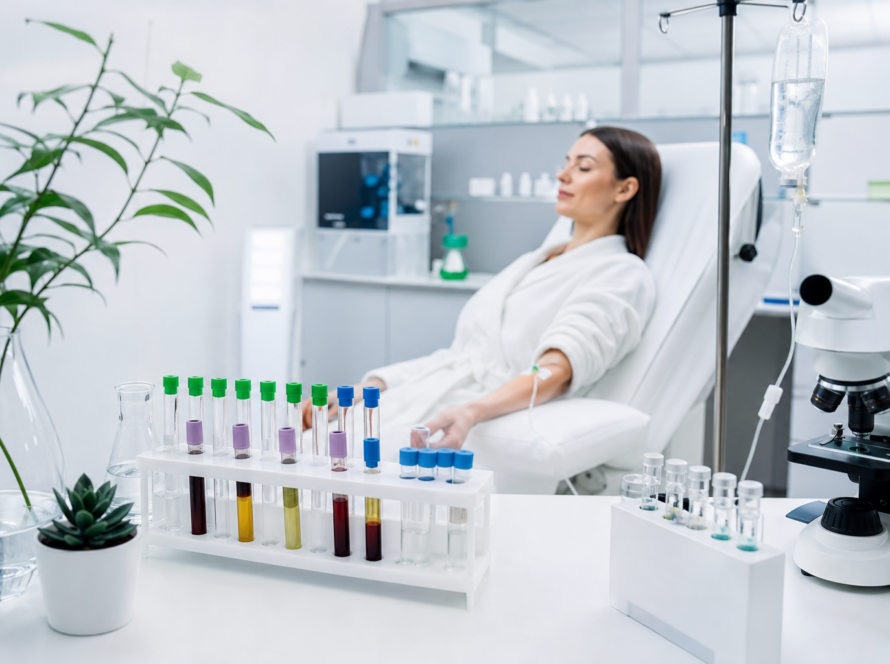
IV therapy can be a powerful tool for restoring hydration, correcting nutrient deficiencies, and accelerating recovery. But like any targeted clinical service, IV infusions are safest and most effective when guided by objective data — namely, lab tests. Understanding which tests matter and how results influence IV selection helps you get personalized care, avoid complications, and align treatments with long-term wellness goals.
Why pre‑IV lab testing matters for wellness
Labs do three things for IV therapy: they confirm safety (kidney, liver, and blood health), reveal nutrient gaps (vitamin D, B12, iron), and inform the right formula or infusion volume so you get results without unnecessary risk. For people who use IV therapy to support recovery, immunity, athletic performance, or anti‑aging goals, labs turn guesswork into precision.
Benefits of lab‑guided IV care
- Safety first: detect anemia, electrolyte imbalances, or kidney dysfunction that could change infusion plans.
- Personalized dosing: tailor fluid volume and additive levels to current physiology rather than a one‑size‑fits‑all approach.
- Longitudinal tracking: repeat labs let you measure progress and adjust the plan for lasting wellness.
Essential lab tests and what they reveal
Not every person needs every test — panels are chosen based on medical history, symptoms, and goals. Below are the most commonly used labs before an IV session and the practical reasons clinicians order them.
Core panels
- Complete Blood Count (CBC) — screens for anemia, infection, and platelet counts. Low hemoglobin or platelets changes safety considerations for infusions.
- Comprehensive Metabolic Panel (CMP) — checks electrolytes, kidney function (creatinine, eGFR), and liver enzymes (AST/ALT). These determine safe fluid volume and drug clearance.
- Lipid panel and HbA1c — useful when metabolic or cardiovascular risk influences long‑term wellness planning.
Micronutrient and endocrine markers
- Vitamin D (25‑OH) and Vitamin B12 — common deficiencies that change IV nutrient choices and need repletion strategies beyond one infusion.
- Iron panel / Ferritin — rules out iron‑deficiency anemia and helps explain fatigue or poor recovery.
- Thyroid tests (TSH ± free T4/T3) — thyroid dysfunction affects energy, metabolism, and response to supportive therapies.
- Pregnancy test (when applicable) — some infusions are deferred or adjusted during pregnancy.
Specialty screens where indicated
- Electrolytes and magnesium — crucial for people with arrhythmia history, heavy training, or recent vomiting/diarrhea.
- Inflammation markers (CRP) — help define recovery needs or signal active inflammation that may need medical follow‑up.
How lab results influence IV selection and dosing (unique clinical perspective)
Rather than simply deciding whether to give an infusion, labs help clinicians choose the most appropriate type and amount of IV therapy. For example:
- If creatinine or eGFR is low (impaired kidney function), providers may reduce fluid volume and avoid certain additives that rely on renal clearance.
- Low hemoglobin or abnormal platelets may trigger a delay in elective IV infusions and prompt further medical evaluation.
- Documented vitamin D or B12 deficiency shifts care from single infusions toward a structured repletion plan with repeat testing and targeted therapies.
- Electrolyte abnormalities (low potassium, magnesium) can be corrected before or during infusion to prevent cramps, arrhythmia, or weakness.
These adjustments reduce risk and improve outcomes — for example, choosing a conservative Hydration IV Therapy volume for someone with borderline kidney function, or selecting an immune‑supportive formula like the Original IV Therapy – Myers Cocktail when labs show nutrient gaps that support recovery.
Practical steps: when to test, how often, and how to prepare
Timing and preparation make labs more useful. General recommendations:
- Schedule baseline labs before your first IV or if you haven’t had bloodwork in the last 6–12 months.
- If you’re starting frequent infusions, consider repeat labs every 3–6 months to guide ongoing adjustments.
- Follow fasting instructions when given (lipid panels, glucose/A1c), and hydrate well the day before collection for easier draws.
- Bring a list of medications and supplements — many affect lab interpretation (for example, biotin can skew some lab assays).
When lab results delay or change IV care
Some abnormal results require postponing elective IV therapy until issues are evaluated and treated. Common red flags include:
- Significant anemia or low platelet count.
- Severely reduced kidney function (low eGFR) or active liver injury.
- Acute infection or fever — active illness may make IV therapy inappropriate until resolved.
In these situations, a provider will recommend appropriate medical follow‑up, adjustments to infusion composition, or a tailored plan that supports recovery while maintaining safety.
Pairing lab panels and IV services sensibly
For general preventive care, a General Wellness Panel is a practical starting point. If hormone balance or reproductive health is central to your goals, a targeted Female Pre‑Panel (or the corresponding male pre‑panel) provides deeper insight. After labs identify needs, many clients find benefit from an evidence‑based infusion — for example, replenishing fluids and electrolytes with Hydration IV Therapy or addressing immune and energy support with the Original IV Therapy – Myers Cocktail. These pairings emphasize safety and measurable progress rather than one‑off treatments.
Conclusion
Lab testing is a cornerstone of smart, safe IV therapy and long‑term wellness. When tests are used to screen for risk, detect deficiencies, and guide infusion choice and dosing, clients get personalized care that targets root causes and reduces complications. If you’re considering IV support, ask your provider about baseline panels and how results will shape a sustainable plan — the combination of thoughtful testing and tailored infusions is the clearest path to better, lasting results.
Suggested starting services: General Wellness Panel, Hydration IV Therapy, Original IV Therapy – Myers Cocktail, and the Female Pre‑Panel when hormone balance is a focus.