Introduction
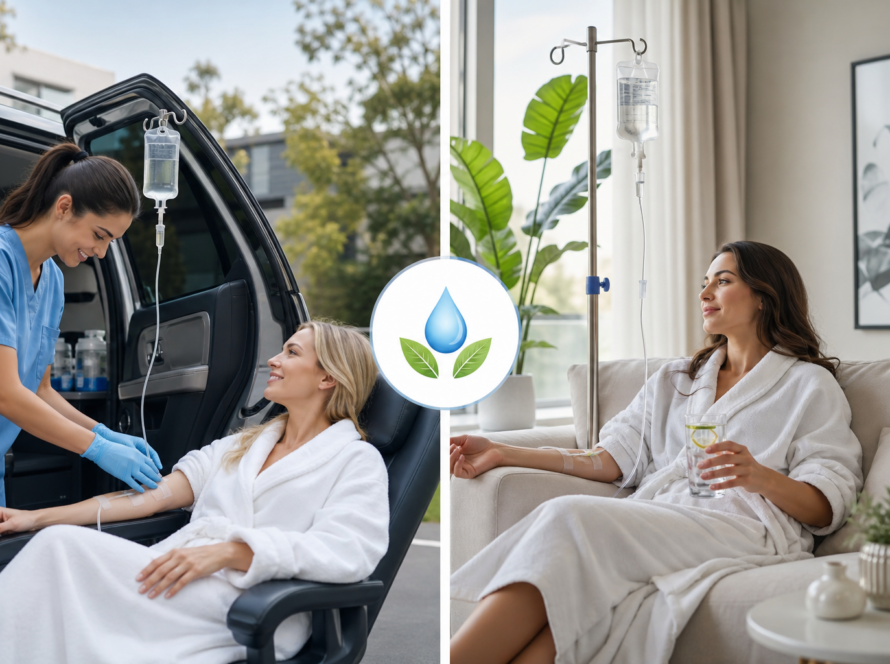
Mobile IV therapy makes wellness more convenient—bringing hydration, vitamins, and recovery support to your home, office, or event. Convenience is valuable, but safety should never take a back seat. Before you book a mobile IV visit, use this practical safety checklist to evaluate providers, protect your health, and get the most from your treatment. This guide blends clinical best practices with holistic wellness tips so you can make informed choices that support long-term vitality.
Why safety matters for mobile IV care
IV treatments are medical procedures that deliver fluids and nutrients directly into your bloodstream. That speed and effectiveness also increases responsibility: proper screening, aseptic technique, emergency readiness, and competent clinical judgment all matter. A carefully run mobile visit should match the standards of an in-clinic service—only delivered where it’s most convenient for you.
Key safety elements to confirm before booking
- Licensed clinicians: Confirm that licensed nurses or nurse practitioners administer treatments and that medical oversight is in place.
- Pre-treatment screening: A clear intake that reviews medical history, current medications, allergies, and pregnancy status.
- Infection prevention: Single-use supplies, sterile technique for IV insertion, and proper handling of medications and IV bags.
- Emergency plan: Access to emergency medications (e.g., epinephrine), pulse oximetry, blood pressure monitoring, and a protocol for calling emergency services if needed.
- Clear consent and documentation: Written informed consent, documentation of the infusion, and instructions for post-care follow-up.
Pre-booking checklist: practical steps to vet a mobile IV provider
1. Verify clinician credentials and medical oversight
Ask who will be administering the IV and whether a physician or medical director oversees protocols. Confirm licensure (RN, NP, or MD) and ask if the team completes competency assessments for infusion therapy. Legitimate mobile services are transparent about staff qualifications and supervision.
2. Review the intake and screening process
A responsible provider will ask about chronic conditions, current prescriptions (including blood thinners), prior reactions to IV therapies, and pregnancy or breastfeeding status. They should also check vital signs before starting and use the intake to determine whether IV therapy is appropriate or if you should be referred to a higher level of care.
3. Confirm infection-control practices
Good infection prevention includes hand hygiene, sterile gloves, single-use needles and tubing, and use of pre-filled or pharmacy-labeled IV bags. Ask whether the provider uses sealed, pharmacy-prepared bags or compounds on-site, and how they store and transport fluids to maintain sterility.
4. Ask about emergency readiness
Every mobile team should carry basic emergency supplies and have written protocols for allergic reactions and anaphylaxis. Confirm that staff are trained in basic life support (BLS), have immediate access to emergency services, and will monitor you until you’re stable after the infusion.
5. Evaluate the treatment environment
Even at home, the treatment area should be clean, well-lit, and allow the clinician to work without contamination. You should feel comfortable asking the clinician to pause or stop the infusion if something feels off. Mobile services that prioritize safety will give clear pre-visit instructions to prepare the space.
6. Confirm documentation, consent, and follow-up
Before treatment, you should receive a written informed consent that explains benefits, common side effects, potential risks, and aftercare instructions. Ask how you’ll receive visit records and who to contact if side effects or questions arise later.
Holistic wellness considerations to pair with IV care
IV therapy can support recovery and optimization, but it works best as part of a broader wellness plan. Consider these complementary steps:
- Basic lab work: A general wellness panel or targeted tests can reveal nutrient gaps and help personalize IV choices. Booking a blood panel before a new IV protocol can improve safety and results. (General Wellness Panel)
- Hydration and nutrition: Drink water and eat a light snack before many treatments unless told otherwise. For straightforward rehydration, consider a foundational option like Hydration IV Therapy.
- Targeted support: If you’re recovering from illness or need immune support, a classic formulation such as the Original IV Therapy – Myers Cocktail can be appropriate when clinically indicated. For deeper recovery after high stress or illness, a restorative blend like Recovery IV Therapy may be recommended.
- Frequency and moderation: Use IV treatments strategically—periodic support for recovery, athletic events, or travel beats frequent, unnecessary infusions.
Questions to ask during booking
- Who will be on the visit and what are their credentials?
- How are IV bags sourced and stored?
- What screening do you require before treatment?
- What emergency equipment and medications do you carry?
- How do you document treatment and who reviews the chart?
What to do the day of your mobile visit
- Clear a clean, comfortable space and have any medication lists and IDs ready.
- Eat a light meal unless told otherwise and hydrate moderately before arrival.
- Notify the clinician if you feel unwell, have a new illness, or have started a new medication since booking.
- Expect vital signs and a final consent review before the infusion begins.
Conclusion
Mobile IV therapy can be a safe, effective part of your wellness toolkit when you choose a provider that prioritizes clinical standards, infection prevention, and clear communication. Use this checklist as your roadmap: verify credentials, confirm screening and sterile technique, ensure emergency preparedness, and pair IV care with baseline labs and sensible lifestyle habits. When safety and convenience align, mobile IV therapy can help you rehydrate, recover, and optimize your health without compromising care.
To explore mobile options from Forever Young IV Bar, learn more about our mobile service here: Mobile Wellness Clinic.
Research sources (editorial only)
The points in this article were informed by clinical infection-control guidance, infusion-therapy standards, and telehealth best practices used for editorial research. (Sources listed for editorial transparency only.)
- Centers for Disease Control and Prevention — Safe Injection Practices and outpatient infection prevention. ([cdc.gov](https://www.cdc.gov/injection-safety/hcp/clinical-guidance/index.html?utm_source=openai))
- Infusion Nursing Standards of Practice (professional standards for IV therapy). ([studylib.net](https://studylib.net/doc/28593009/ins-2024-?utm_source=openai))
- World Health Organization / NCBI guidance on prevention of catheter-related infections. ([ncbi.nlm.nih.gov](https://www.ncbi.nlm.nih.gov/books/NBK604058/?utm_source=openai))
- American Academy of Family Physicians — Legal requirements and screening for telehealth care. ([aafp.org](https://www.aafp.org/practice-operations/telehealth-and-telemedicine/legal-requirements-for-telehealth?utm_source=openai))
- Industry process example for mobile IV services (operational standards). ([pureiv.com](https://www.pureiv.com/our-process?utm_source=openai))