Unlocking the Secrets to Restorative Sleep: How Wellness Spas Enhance Sleep Quality Through Therapeutic Approaches
Restorative sleep is more than just “getting your eight hours.” It is a biologically orchestrated reset that stabilizes mood, repairs tissues, consolidates memory, balances hormones, and restores immune resilience. Yet in a world of late-night screens, irregular schedules, and chronic stress, consistently achieving high-quality sleep can feel elusive. Wellness spas—especially those that blend relaxation therapies with evidence-informed hydration and nutrient support—offer practical ways to downshift the nervous system and rebuild healthier sleep patterns. Here’s how to think about sleep like a wellness practice you can train, not just a box to check.
Why restorative sleep is different from simply sleeping
Sleep quality, not just sleep quantity, drives how refreshed you feel the next day. During slow-wave non-REM (NREM) sleep, the body prioritizes cellular repair, immune regulation, and metabolic housekeeping. Rapid eye movement (REM) sleep supports emotional processing and memory consolidation. When stress, late caffeine, alcohol, or light exposure compress these phases, you may spend hours “asleep” yet still wake unrefreshed. Building a routine that protects both NREM and REM stages is the core of restorative sleep.
Modern sleep disruptors you can actually control
- Evening light exposure: Bright, cool-toned light (especially from screens) delays melatonin release and shifts your body clock later.
- Stress and sympathetic arousal: A “wired” nervous system keeps heart rate and cortisol elevated, making it hard to drop into deep sleep.
- Dehydration: Even mild fluid deficits can increase heart rate, raise core temperature, and fragment sleep.
- Late meals, alcohol, and caffeine: Each can impair sleep architecture and reduce restorative depth.
- Irregular schedules (“social jet lag”): Inconsistent bed and wake times confuse circadian rhythms and reduce sleep efficiency.
How wellness spas reset your sleep biology
Thoughtfully designed spa experiences help nudge the body out of “fight or flight” and into “rest and digest.” The aim is to shift physiology, not merely induce relaxation in the moment.
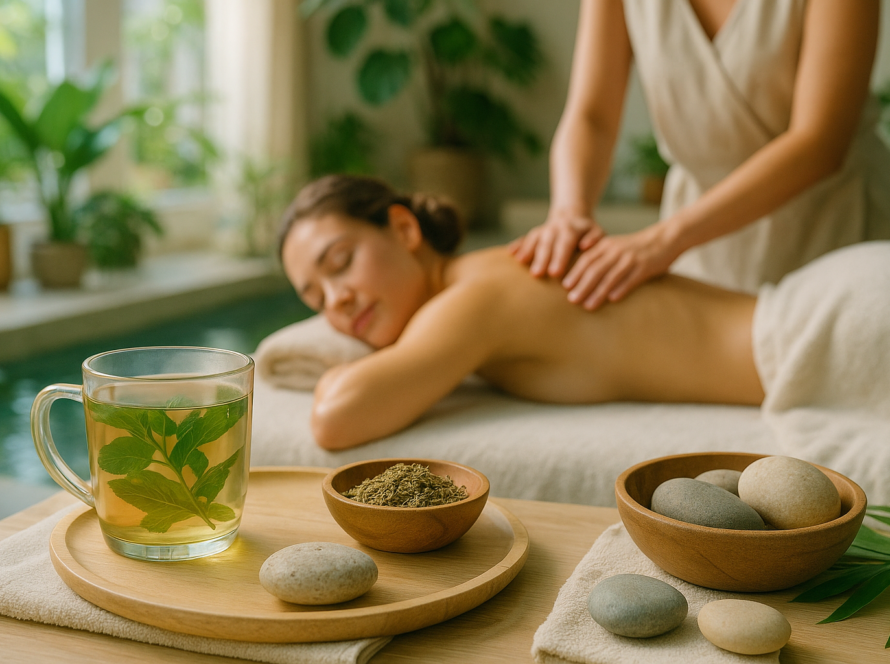
- Massage and bodywork: Gentle, rhythmical techniques reduce muscle tension, slow breathing, and activate the parasympathetic nervous system. Many people report easier sleep onset and fewer nighttime awakenings following sessions that emphasize relaxation rather than deep pressure.
- Aromatherapy: Scents like lavender and bergamot can become powerful environmental cues. When paired with breathwork, they help your brain associate a specific aroma with calm and pre-sleep readiness.
- Mind–body practices: Guided meditation, yoga nidra, and slow diaphragmatic breathing (for example, 4–7–8 breathing) reduce cognitive hyperarousal and lower heart rate—two common barriers to falling and staying asleep.
- Sound therapy and low-stimulation environments: Warm, dim lighting and gentle soundscapes dampen sensory input and support melatonin-friendly conditions.
- Hydrotherapy and heat: Warm soaks or showers before bed promote vasodilation in the skin. As the body cools afterward, the drop in core temperature supports natural sleep onset.
Hydration, micronutrients, and the architecture of sleep
Sleep is a full-body performance. Hydration status affects thermoregulation, heart rate variability, and nighttime cramping, while certain vitamins and minerals help the nervous system unwind. Magnesium, B vitamins, and electrolytes support energy metabolism during the day and smoother wind-down at night. For those with demanding schedules or after travel, targeted hydration and nutrient support can be a strategic complement to good sleep hygiene—never a replacement for it.
In a wellness-spa setting, IV therapy may be considered when rapid rehydration or specific nutrient replenishment is needed under professional guidance. If you and your provider decide IV support fits your plan, these options are aligned with sleep foundations of hydration, relaxation, and nervous-system balance:
- Hydration IV Therapy (500 mL: $175.00, 1000 mL: $275.00): Fluid and electrolyte balance supports temperature regulation and reduces sleep-disrupting dehydration—especially helpful after travel, intense activity, or heat exposure.
- Mood Support IV Therapy (500 mL: $225.00): A calming blend designed to support serotonin pathways and ease nervous-system tension when stress is the main sleep hurdle.
- Original IV Therapy – Myers Cocktail (500 mL: $200.00, 1000 mL: $300.00): A time-tested mix of vitamins and minerals that helps replenish daily nutrient gaps which may contribute to fatigue and lowered resilience.
- Brain Health IV Therapy (500 mL: $325.00, 1000 mL: $425.00): Formulated with neuro-supportive compounds to promote mental clarity by day—an often-overlooked pillar of smoother sleep onset at night.
Important note: IV therapy is supportive care. If you suspect a medical sleep disorder (like sleep apnea or restless legs), speak with your clinician. A spa or IV therapy plan works best alongside, not instead of, medical evaluation when needed.
A “sleep-forward” spa day plus an at-home ritual
Use spa time to reset your nervous system, then lock in gains with an evening routine that protects circadian rhythms.
- Morning light, movement, and pacing: Get outdoor light soon after waking and include gentle activity. Front-load hydration with mineral-rich fluids earlier in the day; taper in the evening.
- Smart caffeine cut-off: Caffeine’s half-life can be 5–7 hours or more. For most, stopping by early afternoon protects deep sleep later.
- Book relaxing services earlier in the evening: Choose massage or a calming IV session at least 3–4 hours before bed so you can coast into nighttime without rushing.
- Create a digital sunset: Dim overhead lights 60–90 minutes before bedtime and set devices to warm-night modes—or better yet, park them outside the bedroom.
- Warm, then cool: Take a warm shower or foot soak; as your body cools afterward, you’ll feel naturally drowsy. Keep the bedroom cool, quiet, and dark.
- Breathwork and journaling: Try 4–7–8 breathing for 3–5 minutes, then jot down next-day to-dos so your mind isn’t “problem-solving” at 2 a.m.
- Nutrition that supports sleep: Favor an earlier, lighter dinner. If you need a small snack closer to bedtime, combine a complex carbohydrate with a little protein to prevent overnight dips.
- Micro-rest without wrecking night sleep: If needed, a 10–20 minute midday nap can sharpen alertness without reducing sleep drive.
Travel and shift-work tips
- Time-zone strategy: A few days before travel, nudge your schedule gradually toward your destination time.
- Light and movement: On arrival, seek daylight exposure and gentle activity; avoid bright light late at local night.
- Hydration and wind-down: Rehydrate consistently, prioritize an earlier, calming routine on the first two nights, and avoid heavy late meals and alcohol.
When to speak with a clinician
Seek medical input if you snore loudly, stop breathing during sleep, have severe restless legs, experience chronic insomnia (>3 months), or rely heavily on sleep medications. At Forever Young IV Bar, licensed professionals can coordinate supportive care within your broader plan, but diagnosis and treatment of sleep disorders belong with your medical provider.
The bottom line
Restorative sleep is a trainable skill set rooted in rhythm, environment, hydration, and nervous-system balance. Wellness spas provide a controlled, calming context to practice these pillars—paired with targeted options like hydration and nutrient support when appropriate. Combine a sleep-forward spa experience with consistent at-home rituals, and you’ll move beyond “trying to sleep more” toward waking with real energy, clarity, and resilience.