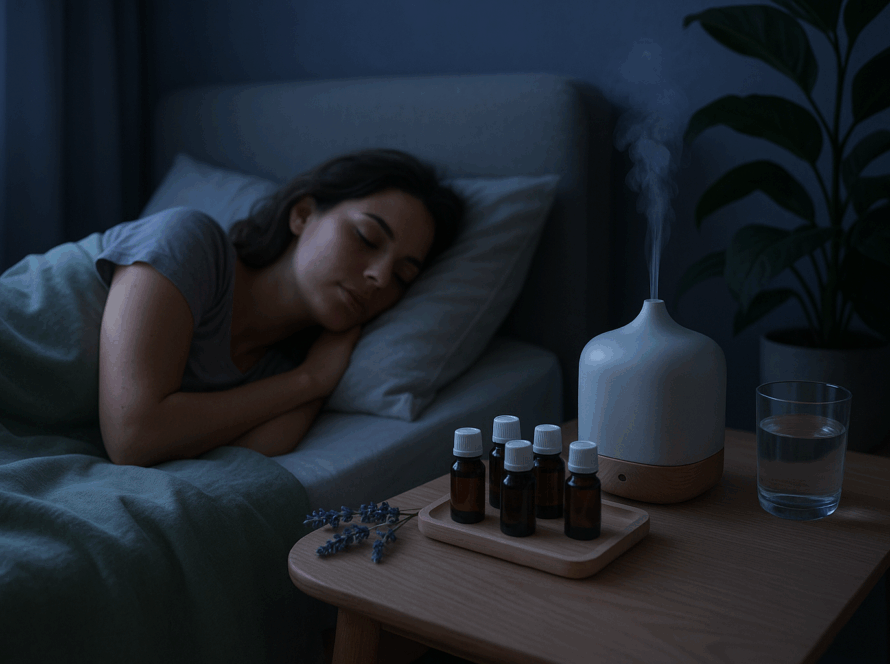
When you book a wellness retreat, you’re not just scheduling time away—you’re investing in deep recovery. And while breathwork classes, mindful movement, and nourishing meals can reset your system, the true multiplier is high-quality sleep. Restful nights are where your body consolidates learning, repairs tissues, balances hormones, and recalibrates the nervous system. Whether you’re heading to a mountain sanctuary or creating a retreat-at-home weekend, these seven holistic sleep strategies will help you drift off faster, sleep deeper, and wake genuinely restored.
Why Sleep Matters More on Retreat
Retreats shift you out of your routine and into a space where the body can heal. Sleep is the engine of that healing: it supports cognitive clarity, immune balance, muscle repair, and mood stability. When you layer intentional sleep practices onto daytime relaxation and light activity, recovery becomes both faster and more sustainable—long after you return to everyday life.
The 7 Holistic Sleep Strategies
1) Anchor your circadian rhythm with morning light and a consistent schedule
Your body’s internal clock takes its cues from light and regularity. Step outside for 10–20 minutes of natural light within an hour of waking, and aim for a stable sleep-wake schedule—even on travel days. On retreat, block your evenings and mornings like appointments: set a target bedtime, a non-negotiable wake time, and a brief sunrise walk. This consistency trains your brain to release sleep and wake signals at the right times.
- Morning light exposure soon after waking
- Fixed bedtime/wake time within a 30–60 minute window
- Short midday rest rather than late naps
2) Build a wind-down ritual that tells your brain “sleep is coming”
Routines reduce mental chatter. Choose a simple, repeatable sequence that lasts 30–60 minutes: a warm shower, light stretching, 4–7–8 breathing, and a few lines of journaling. Keep lights warm and dim, and make your bedroom a no-negotiation calm zone—clutter-free, cool, and quiet. If you use audio, opt for gentle soundscapes or a short body scan meditation.
- Dim overhead lights; use lamps with warm bulbs
- Try 4–7–8 or box breathing for 4–6 cycles
- Write tomorrow’s to-do list to offload worries
3) Hydrate and re-mineralize—strategically
Even mild dehydration can raise heart rate and disrupt deep sleep. Front-load fluids in the first two-thirds of your day, then taper in the evening to reduce nocturnal bathroom trips. Include electrolytes after sweat-heavy activities, flights, saunas, or ocean dips. If travel, altitude, heat, or long training blocks have left you depleted, some guests choose a session like Hydration IV Therapy to replenish fluids and minerals more efficiently on arrival day or after a strenuous excursion. Pair smart hydration with a light, balanced dinner for steadier nighttime blood sugar.
- Hydrate earlier; sip, don’t chug, in the evening
- Include electrolytes after long hikes or sauna
- Choose protein + complex carbs + colorful veggies at dinner
4) Set tech boundaries that work for you
Blue light and mentally stimulating content can delay sleep, but you don’t need an all-or-nothing approach. Create a “digital sunset” that suits your life: perhaps 60 minutes screen-free, or swap doom-scrolling for calming content (audiobooks, nature sounds). Activate night mode on devices and keep phones off your nightstand. Consistency is more important than perfection.
- Move chargers out of the bedroom
- Use night-shift or warm filters after dusk
- Replace late screens with a paperback or breathwork
5) Use temperature and darkness as sleep levers
Dark, quiet, and cool bedrooms make it easier to transition into deep sleep. Aim for a comfortably cool room; add blackout curtains or a sleep mask; and consider breathable bedding. A warm shower or bath 60–90 minutes before bed helps by slightly raising body temperature, which then falls—cueing drowsiness. If hands and feet run cold, light socks can prevent midnight wake-ups.
- Cool, well-ventilated room and breathable layers
- Blackout shades or a quality sleep mask
- Warm shower before bed; optional light socks
6) Nourish the nervous system
Calming the nervous system is the bridge to deeper sleep. Try yoga nidra (NSDR), progressive muscle relaxation, or guided breath sessions in the late afternoon or early evening. Magnesium-rich foods (leafy greens, cacao, pumpkin seeds) and consistent daytime protein help keep nighttime blood sugar even. On particularly stressful days, some guests find that a targeted, nutrient-focused IV—such as Mood Support IV Therapy—pairs well with relaxation practices by supporting a sense of calm as part of a broader wind-down ritual.
- Try 10–20 minutes of yoga nidra or a body scan
- Enjoy magnesium-rich snacks after dinner
- Limit alcohol; it fragments sleep cycles
7) Stack recovery on high-output days
Retreats often include hikes, workouts, or workshops. Protect your sleep afterward with a three-part recovery stack: light mobility, strategic refueling, and a short nap if needed (20 minutes, before 3 p.m.). If you’ve pushed hard or are bouncing back from travel or illness, an option like Recovery IV Therapy can complement your routine by replenishing fluids and micronutrients that support post-activity reset. Guests exploring cellular-level wellness may also consider NAD+ IV Therapy as part of a personalized plan to support energy metabolism and healthy aging—always in consultation with a qualified provider.
- Short nap + sunlight walk beats long late naps
- Refuel within 60–90 minutes: protein + fiber + healthy fats
- Gentle stretching to downshift the nervous system
Design Your Personal Sleep Script (and bring it home)
Use this quick framework to turn good intentions into a simple plan you’ll actually follow—on retreat and afterward.
- Set your anchor times. Choose a bedtime and wake time you can honor at least five days a week. Add 10–20 minutes of morning light to lock the rhythm.
- Choose a 3-step wind-down. Example: warm shower, 4–7–8 breathing, paperback reading. Keep your ritual under 60 minutes and repeat it nightly.
- Protect your bedroom. Make it dark, quiet, clutter-free, and cool. If noise is an issue, use soft earplugs or soothing soundscapes.
- Hydrate wisely. Front-load fluids, add electrolytes after exertion, and taper at night. If you arrive dehydrated, consider a targeted rehydration session early in your stay.
- Build a rescue plan. Can’t sleep? Get up, keep the lights low, and do a calm activity (stretching, breathwork, journaling) for 10–15 minutes before returning to bed.
Jet Lag and Retreat Transitions: A Gentle Reset
Travel days can derail sleep. Plan a soft landing: schedule light movement upon arrival, seek natural daylight, eat a balanced early dinner, and keep the first night simple—no late workouts or heavy meals. If you’re noticeably depleted from flights, heat, or altitude, an early stay rehydration approach, such as Hydration IV Therapy, can be a practical complement to water, electrolytes, and rest. Keep caffeine to the first half of your day, and use a short, timed nap only if necessary.
Safety, Personalization, and the Long View
Holistic sleep practices are most effective when they’re personalized. Adjust your plan to your chronotype (early bird or night owl), current stress load, and daily activity. If you have ongoing sleep issues, loud snoring, or unrefreshing sleep, speak with a healthcare professional to screen for underlying conditions. Any IV therapy should be discussed with a qualified provider to ensure it fits your goals, medications, and medical history.
The Bottom Line
Great sleep is the quiet superpower of every wellness retreat. By anchoring your circadian rhythm, crafting a soothing wind-down, hydrating intelligently, and nourishing your nervous system, you create the conditions for truly restorative nights. When appropriate, targeted support—like Mood Support IV Therapy, Recovery IV Therapy, or NAD+ IV Therapy—can complement your foundation of healthy habits. Bring these strategies home, and your retreat won’t end when you check out; it will echo each night, every time your head meets the pillow.
This article is for educational purposes only and is not a substitute for medical advice. Always consult your healthcare provider before starting new therapies or supplements.