Introduction: Why Hormone Balance Matters for Whole‑Body Wellness
When your hormones are in harmony, everything feels easier—energy is steady, sleep is restorative, mood is grounded, and metabolism works the way it should. When they’re out of balance, however, you may notice fatigue, brain fog, irritability, skin changes, stubborn weight fluctuations, low libido, or irregular cycles. The good news: daily habits have a powerful influence on hormones like cortisol, insulin, thyroid hormones, estrogen, progesterone, and testosterone. This guide offers practical, natural remedies you can start today—plus thoughtful ways an IV therapy practice like Forever Young IV Bar can support your plan without replacing healthy lifestyle foundations.
Hormone Balance 101: A Quick Refresher
Hormones are chemical messengers that coordinate everything from blood sugar and stress response to fertility and cognitive function. They work as a network, not in isolation. That means a single habit—such as sleep timing or meal composition—can create positive “ripple effects” across several systems. Focus on consistent, sustainable routines that calm the nervous system, stabilize blood sugar, and supply the micronutrients your endocrine system needs to thrive.
Top 5 Natural Remedies for Restoring Hormone Balance
1) Reset Your Circadian Rhythm with Sleep and Light
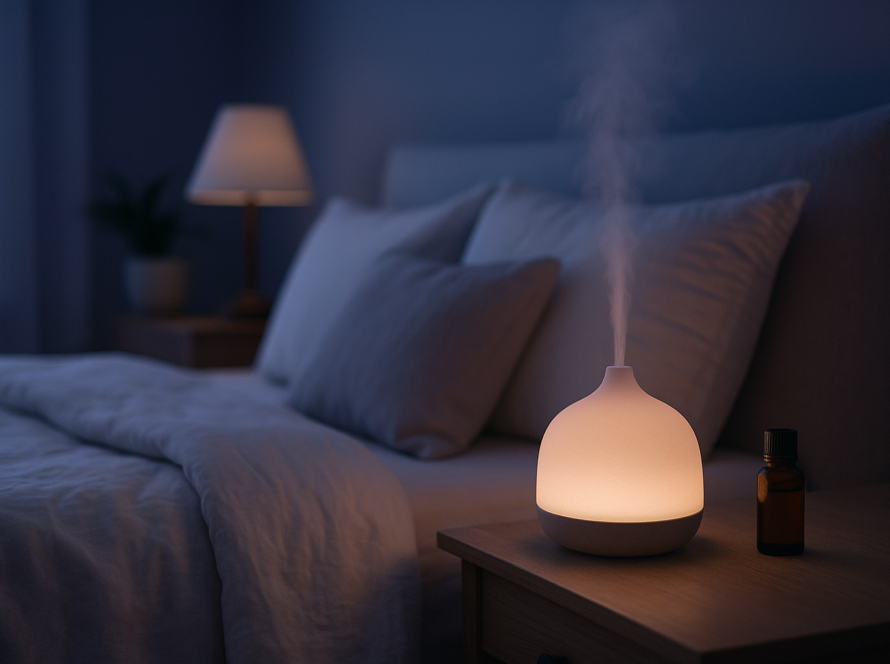
Hormone health starts with your 24‑hour clock. Cortisol naturally peaks in the morning to wake you and tapers at night as melatonin rises. When bedtime drifts later, screens run bright after sunset, or mornings lack daylight, that rhythm blurs—often showing up as afternoon crashes, sugar cravings, and restless sleep.
- Anchor your sleep: aim for a consistent 7–9 hours with the same wake‑up time daily.
- See morning light outdoors within 60 minutes of waking to set your “daytime” signal.
- Dim lights and screens 60–90 minutes before bed; keep your bedroom cool, dark, and quiet.
- Bundle a wind‑down ritual: gentle stretching, breathwork, or journaling to lower evening cortisol.
2) Stabilize Blood Sugar with Protein, Fiber, and “Smart Carbs”
Balanced insulin is foundational for steady energy, thyroid efficiency, and sex‑hormone harmony. Large blood sugar swings can intensify PMS/PMDD symptoms, fuel cravings, and impact mood. Build meals that slow glucose release and keep you full longer.
- Lead with protein (20–40 g per meal) from eggs, fish, poultry, tofu/tempeh, or Greek yogurt.
- Add colorful produce and fiber (vegetables, beans, berries, chia/flax) to support gut‑hormone crosstalk.
- Choose minimally processed carbs (oats, quinoa, sweet potato) and pair them with protein and fat.
- Time caffeine after breakfast to reduce cortisol‑glucose spikes on an empty stomach.
3) Train Your Muscles for Metabolic and Mood Benefits
Muscle is metabolically active tissue that improves insulin sensitivity and supports healthy levels of testosterone and growth factors—key for vitality at any age. Strength training also promotes bone density and can ease perimenopausal transitions.
- Prioritize two to four weekly strength sessions (full‑body compound moves like squats, rows, presses).
- Layer in low‑impact cardio (walking, cycling, swimming) on non‑lift days to enhance recovery.
- Protect sleep by keeping intense workouts earlier in the day if evening sessions rev you up.
4) Build Stress Resilience with Nervous System Practices (and Thoughtful Adaptogens)
Persistent stress can flatten your natural cortisol curve and disrupt thyroid and sex hormone balance. Daily “micro‑doses” of calm are more effective than sporadic deep dives.
- Practice 5–10 minutes of slow nasal breathing, meditation, or prayer once or twice daily.
- Try a pre‑sleep relaxer: legs‑up‑the‑wall pose, light stretching, or guided relaxation.
- Consider adaptogens such as ashwagandha, rhodiola, or holy basil with professional guidance, especially if pregnant, nursing, or taking medications.
5) Micronutrient Essentials Your Hormones Rely On
Even small nutrient gaps can create outsized hormonal effects. Three to pay attention to:
- Magnesium: involved in stress response, sleep quality, and PMS comfort.
- Vitamin D: supports immune balance, mood, thyroid function, and reproductive health.
- Omega‑3s (EPA/DHA): help modulate inflammation, which affects hormone signaling.
Food first is always wise, but work with a clinician on smart supplementation if labs indicate a need.
When to Test: Turning Guesswork into a Plan
Symptoms often overlap (fatigue, brain fog, mood shifts), making self‑diagnosis tricky. Strategic lab work brings clarity and helps you personalize nutrition, training, and recovery.
- Female Hormone Check Complete: a comprehensive snapshot of estrogen, progesterone, thyroid, cortisol, key nutrients, and metabolic markers to pinpoint patterns across your cycle or through perimenopause.
- Male Hormone Check Complete: a deep look at testosterone (free and total), estradiol, thyroid, cortisol, vitamin status, and cardiometabolic health to guide targeted changes.
Use results to adjust meal timing, protein targets, training loads, sleep windows, and supplement choices. Re‑test periodically to track progress and refine your plan.
How IV Therapy Can Support Your Hormone‑Balancing Routine
IV therapy doesn’t “replace” foundational habits—but it can complement them by helping you rehydrate quickly and replenish vitamins and minerals that play supporting roles in endocrine health, mood, and energy. Consider these targeted options at Forever Young IV Bar in consultation with a licensed provider:
- Mood Support IV Therapy: formulated with nutrients that support nervous system relaxation and serotonin pathways—helpful when stress and sleep challenges are part of the picture.
- Energy IV Therapy: delivers B‑vitamins, amino acids, and minerals that assist cellular energy production—useful when fatigue, heavy workloads, or training stress are draining your reserves.
- Vitamin D3 Injection: a direct approach to correcting low vitamin D, a common factor linked with mood, immune balance, and reproductive health.
These services are most effective when layered onto consistent sleep, nutrition, and training—not as a stand‑alone fix. Always share your labs, symptoms, and medications with your provider to personalize dosing and frequency.
Your 30‑Day Hormone Harmony Game Plan
- Week 1: Reset your rhythm. Fix your wake‑up time, get 10–15 minutes of outdoor light each morning, and set a firm wind‑down routine. Plan protein‑forward breakfasts.
- Week 2: Stabilize meals. Aim for three balanced meals: 20–40 g protein, colorful produce, and a smart carb. Add an evening magnesium‑rich food (pumpkin seeds, leafy greens) or discuss supplementation.
- Week 3: Build strength. Schedule two to three full‑body lifts and two low‑intensity cardio sessions. Keep intense work earlier in the day; take a rest day if sleep slips.
- Week 4: Fine‑tune stress. Add a 10‑minute daily breathwork or meditation practice. If labs show needs, consider targeted support such as the Mood Support IV Therapy for relaxation or Energy IV Therapy for fatigue while you reinforce daily habits.
At any point, if symptoms persist or feel complex, use comprehensive testing like the Female Hormone Check Complete or Male Hormone Check Complete to clarify the next best step.
Safety, Personalization, and Progress Tracking
Everyone’s endocrine landscape is unique. Pregnancy, perimenopause, PCOS, thyroid conditions, medications, and high‑level athletics all change the equation. Partner with a qualified clinician, share your full health history, and review labs before starting supplements or making major training shifts. Track your sleep, energy, mood, cycle changes, and recovery for six to eight weeks—small, consistent steps compound into noticeable wins.
Conclusion: Build Your Foundation—Then Layer Smart Support
Natural hormone balancing isn’t about a single superfood or supplement. It’s about aligning your body clock, feeding your metabolism with balanced meals, building resilient muscle, managing stress gently but consistently, and covering micronutrient basics. From there, evidence‑informed options at Forever Young IV Bar—such as Vitamin D3 Injection, Mood Support IV Therapy, and Energy IV Therapy—can complement your routine while comprehensive testing (Female Hormone Check Complete or Male Hormone Check Complete) helps you personalize the path. Start with one or two habits today, build momentum, and let consistency restore your well‑being—one balanced day at a time.