Introduction
Recovery is where progress happens. Whether you’re a weekend warrior, competitive athlete, or someone who trains to feel their best, intelligent post-workout recovery speeds repair, reduces downtime, and protects long-term performance. This guide outlines an evidence-informed post-workout IV protocol that pairs targeted IV hydration with practical, non-invasive strategies—nutrition, active recovery, and lifestyle habits—to help you recover faster while supporting overall wellness.
Why a post-workout IV protocol?
Intense exercise can deplete fluids, electrolytes, and key micronutrients while creating localized muscle stress and oxidative load. For most people, solid nutrition and fluid intake will handle recovery needs. However, an IV protocol can be a helpful, time-efficient option when rapid rehydration, direct micronutrient delivery, or targeted amino-acid support is needed—for example after long training sessions, back-to-back events, travel across time zones, or when nausea limits oral intake.
When IV makes sense (and when it doesn’t)
- Useful: severe dehydration, prolonged endurance events, repeated same-day efforts, or when oral intake is not tolerated.
- Not usually needed: typical single-session gym workouts where oral fluids, electrolytes, and protein are available.
- Safety note: IV rehydration is a medical procedure and should be performed by licensed clinicians under proper screening and sterile technique.
Core elements of a fast, balanced post-workout IV protocol
A practical post-workout IV protocol focuses on three pillars: rehydrate, rebuild, and regulate inflammation. Each element can be tuned to your sport, intensity, and recovery window.
1) Rehydrate: fluids + electrolytes
Immediate restoration of plasma volume and electrolytes is foundational. An IV that supplies balanced fluids with sodium, potassium, magnesium, and chloride helps normalize cellular function and reduces cramping and lightheadedness for those with high sweat losses or heat exposure. For many athletes, aggressive oral rehydration is effective; IV is mainly for fast correction or when oral routes fail.
Suggested clinic option (subtle reference): consider a targeted hydration infusion such as the clinic’s Hydration IV Therapy when rapid fluid and electrolyte replenishment is needed.
2) Rebuild: amino acids and protein support
Repairing muscle requires amino acids. IV amino-acid blends and targeted nutrients can deliver precursors for muscle repair quickly—especially helpful when immediate oral protein is not possible. For most athletes, aim for a high-quality protein feeding (or 20–40 g protein) within the recovery window and include regular protein doses across the day to maximize muscle protein synthesis.
When appropriate, an IV containing key amino acids or a tailored recovery infusion can complement—never replace—whole-food protein strategies.
3) Regulate inflammation: antioxidants and targeted support
A controlled inflammatory response is part of adaptation, so the goal is to reduce excessive oxidative stress without blocking training signals. Using antioxidants strategically—timed away from key adaptation workouts and delivered at moderate doses—can ease soreness and speed perceived recovery. Infusions that include clinically used antioxidants or precursors for detoxification can be useful in acute settings, such as after ultradistance efforts or repeated competitions.
Clinical options that include antioxidant and detox support can be considered as part of a broader recovery plan rather than a daily habit.
Putting the protocol into practice: a sample timeline
- 0–30 minutes post-exercise: Light cool-down and oral fluids (if tolerated). If unable to drink or if symptoms of severe dehydration are present, seek clinical evaluation and consider an IV hydration session.
- 30–90 minutes post-exercise: Protein intake (20–40 g) and carbohydrate as needed to replenish glycogen. If nausea prevents eating, an IV session with amino acids and fluids can bridge the gap.
- Same day: Gentle active recovery (mobility, walking, soft cycling), compression, or a short cold-water immersion session can reduce soreness and speed return to activity—use these tools judiciously based on event timing.
- 24–48 hours: Focus on sleep, nutrient-dense whole foods, and low-to-moderate movement. If recovery is delayed or you have repeated heavy sessions, a targeted clinic infusion such as Athletic Performance IV Therapy or Recovery IV Therapy may be helpful additions.
Complementary, non-IV recovery strategies that matter
IV therapy is one tool—combine it with these proven practices for best results:
- Protein distribution: Spread 20–40 g doses across the day to maintain a positive muscle protein balance.
- Hydration strategy: Monitor urine color and weigh before/after long sessions to gauge fluid needs; include sodium for long-duration sweating.
- Sleep and circadian consistency: Quality sleep amplifies recovery, hormone balance, and repair.
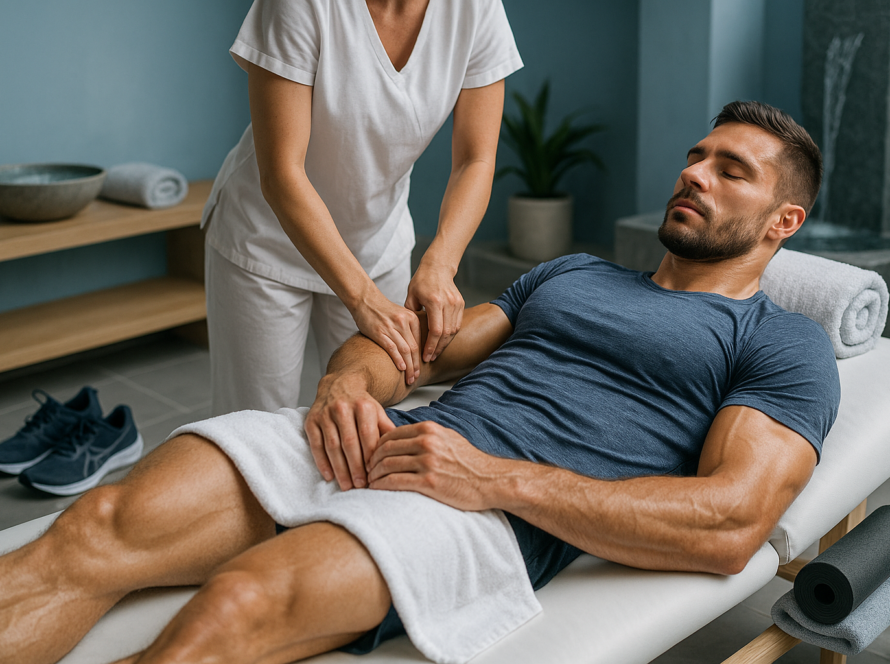
- Targeted manual therapy and mobility: Address movement restrictions and circulation to accelerate healing.
- Smart use of modalities: Cold water immersion and compression can reduce soreness—avoid routine overuse if long-term adaptation is your priority.
Safety, timing, and training considerations
Be mindful that some recovery interventions can blunt long-term adaptations if used indiscriminately. Chronic, high-dose antioxidant use immediately around key training sessions may impair some cellular signaling that drives endurance and strength adaptations. Use antioxidant-rich IVs or supplements strategically—prefer them after high-stress events rather than after every workout.
Also, IV options like NAD+ or specialty infusions have growing popularity; evidence is evolving and these therapies should be chosen with clear clinical goals and informed consent. Discuss risks, benefits, and alternatives with your clinician.
Recommended clinic resources (subtle product links)
When an IV fits your recovery plan, choose protocols that match the goal: quick rehydration (Hydration IV Therapy), targeted athletic support (Athletic Performance IV Therapy), or deeper restoration after heavy training (Recovery IV Therapy). For a flexible performance-and-recovery blend, consider the clinic’s Cowboy Cocktail IV Therapy as an example of a multi-nutrient post-exertion option.
Conclusion
Faster, smarter recovery blends evidence-based daily habits with situational clinical tools. IV therapy can speed rehydration, deliver amino acids and antioxidants rapidly, and be a practical option after extreme exertion or when oral intake is limited. But it is most effective when paired with proper protein timing, sleep, gradual return-to-activity, and an individualized plan that protects long-term training adaptations. Use IV protocols as one element of a balanced recovery playbook—safe, strategic, and aligned with your goals.
If you’re curious about whether a post-workout IV is right for you, a clinical consultation and an athletic panel can clarify needs and ensure your recovery plan is personalized and safe.