Introduction
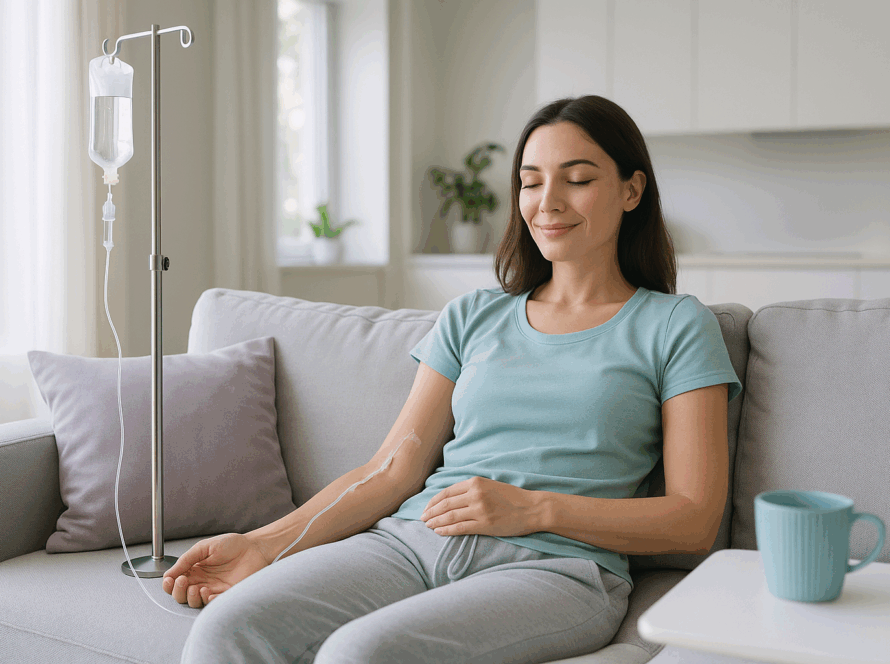
At-home IV therapy can be a practical way to support recovery, rehydration, and overall wellness when delivered by qualified professionals. Whether you’re scheduling a hydration drip before a big event, choosing a mobile visit, or using IV support as part of a longer wellness plan, a clear prep and safety checklist helps you get the benefits while keeping risks low. This guide focuses on practical preparation, what to expect during an at-home infusion, and post‑infusion wellness steps you can use to optimize results.
Before the Visit: Medical Prep and Practical Steps
Good outcomes start with good planning. Before any at-home IV session, complete the following steps:
- Confirm medical clearance: Make sure a licensed clinician has reviewed your health history, medications, allergies, and any recent lab results. If you haven’t had routine bloodwork recently, consider a baseline panel like the General Wellness Panel to identify nutrient or metabolic issues.
- Share current medications and supplements: Some prescription drugs and high-dose supplements interact with IV components. Provide a full list to the treating nurse or provider.
- Hydrate and eat lightly: Drink balanced fluids and eat a small, carbohydrate‑rich snack 60–90 minutes before your session to reduce lightheadedness during infusion.
- Prepare your space: Clear a clean, quiet area with a comfortable chair and a flat surface for supplies. Remove pets and minimize interruptions so the clinician can work safely and efficiently.
- Ask about credentials and plan: Confirm the clinician’s license, ask who will be administering the infusion, and review the treatment plan together — including fluids, vitamins, and expected duration.
Day‑Of Checklist: Safety, Sterility, and Comfort
On infusion day, prioritize infection prevention, accurate dosing, and clear communication:
- Observe sterile technique: Ensure the nurse changes gloves, cleans the insertion site with antiseptic, and opens sterile supplies in front of you.
- Check the IV bag and pump: Confirm the bag is sealed and labeled. If a pump is in use, make sure it’s functioning and that the clinician programs rate and volume with you aware of start/stop times.
- Monitor for immediate reactions: Tell the clinician right away if you feel chest tightness, breathing difficulty, intense flushing, or severe nausea. Mild sensations are common with some drips, but anything alarming should prompt immediate evaluation.
- Comfort and mobility: Dress comfortably with easy arm access and have water and light snacks available after the infusion completes.
Post‑Infusion Aftercare: Simple Steps for Better Recovery
After the infusion, follow these easy steps to support safe recovery and sustained benefits:
- Remove the dressing only as directed: Keep the site clean and dry. If you notice swelling, redness, warmth, or drainage — contact your provider.
- Continue to hydrate and rest: IV hydration helps immediately, but ongoing oral fluids and a brief period of rest will help your body integrate the benefits.
- Avoid heavy exercise for 24 hours: Light movement is fine, but give your body time to rebalance after an infusion.
- Track how you feel: Note energy, digestion, sleep, and mood changes. If new symptoms appear — fever, chills, or localized pain — seek care promptly.
When to Escalate Care: Red Flags That Need Attention
Most at‑home IV visits are uncomplicated. However, contact emergency services or your clinician if you experience:
- Fever higher than 101°F, shaking chills, or sudden weakness.
- Significant redness, swelling, or pus at the IV site.
- Shortness of breath, chest pain, or severe dizziness.
- Infusion pump alarms you can’t resolve or unexpected bag leakage.
Integrating IV Therapy into a Holistic Wellness Plan
IV therapy works best when it complements sensible lifestyle foundations. Use these strategies to extend benefits between sessions:
- Prioritize sleep and stress management: Adequate sleep, daily movement, and stress‑reducing practices (breathwork, short walks, or mindfulness) help preserve nutrients and support immune resilience.
- Eat nutrient‑dense meals: Focus on lean protein, colorful vegetables, healthy fats, and whole grains to sustain energy and support cellular repair.
- Use targeted in‑office or mobile services when needed: For immediate recovery or immune support, consider hydrating treatments like Hydration IV Therapy, immunity-focused options such as ORIGINAL IV Therapy (Myers Cocktail), or restorative blends like Recovery IV Therapy. If convenience matters, the Mobile Wellness Clinic brings these services safely to your home.
- Follow up with screening when appropriate: Periodic lab checks can reveal nutrient gaps and inform safer, more effective infusion plans.
Practical Wellness Hacks to Pair with IV Support
Small daily habits amplify infusion results:
- Schedule infusions on lighter days to allow rest afterward.
- Pair vitamin‑rich meals and gentle movement the day after a drip for better energy retention.
- Consider occasional targeted bloodwork to personalize treatment frequency and formula selection.
Conclusion
At‑home IV therapy can be a safe, effective component of a broader wellness plan when you prepare properly, verify clinical credentials, and follow a straightforward safety checklist. The combination of medical oversight and lifestyle foundations — sleep, nutrition, hydration, and appropriate follow‑up — gives you the best chance of predictable, long‑lasting benefits. If you’re curious about specific infusions or mobile options, talk to a licensed clinician about tailored choices like Hydration IV Therapy, ORIGINAL IV Therapy, Recovery IV Therapy, or booking a Mobile Wellness Clinic visit.
Sources (editorial use)
The following authoritative sources were consulted to inform this article and to ensure current best practices were reflected:
- FDA — Infusion pump tips and home infusion risk‑reduction guidance. ([fda.gov](https://www.fda.gov/medical-devices/infusion-pumps/infusion-pumps-tips-using-your-pump-home?utm_source=openai))
- CDC — Guidance on central line and catheter‑associated bloodstream infection prevention and recommendations for catheter care. ([cdc.gov](https://www.cdc.gov/clabsi/index.html?utm_source=openai))
- Grand View Research — Market overview showing growth trends for home infusion therapy. ([grandviewresearch.com](https://www.grandviewresearch.com/industry-analysis/home-infusion-therapy-market?utm_source=openai))
- Recent reporting and expert commentary on emerging IV trends and novel therapies (e.g., NAD+), including balanced coverage about limited clinical evidence and safety considerations. ([verywellhealth.com](https://www.verywellhealth.com/nad-iv-therapy-8783961?utm_source=openai))