Introduction
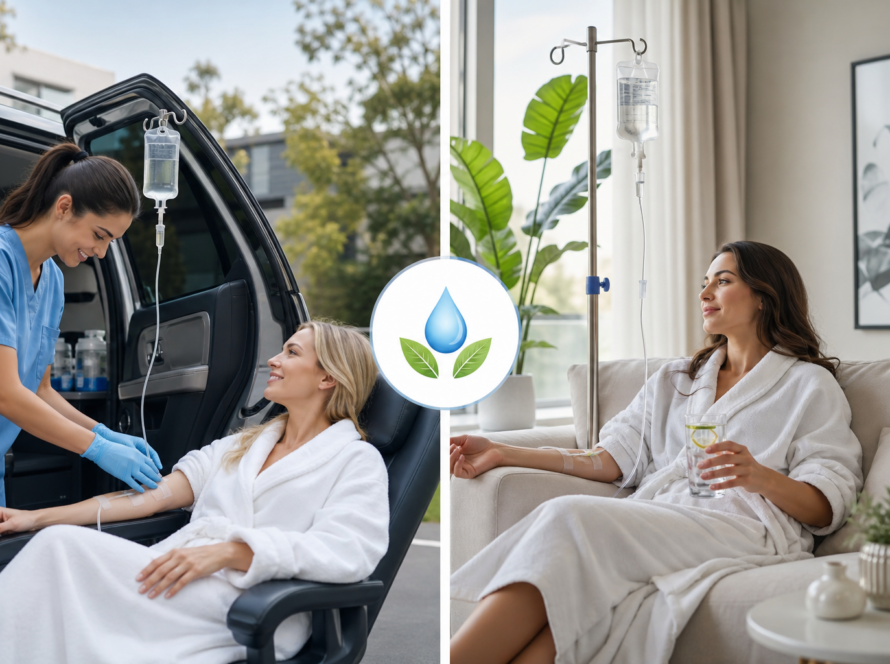
Mobile IV visits make professional hydration and nutrient therapy convenient, comfortable, and accessible — bringing clinical care into your home, office, or event. For many people, a mobile IV session is an efficient way to recover from dehydration, boost immunity, or support performance. This guide shows you how to prepare for a mobile IV visit, what safety measures to expect, practical wellness tips to pair with treatment, and answers to the most common questions so you can feel confident and well-informed.
What Is a Mobile IV Visit?
A mobile IV visit is when a licensed clinician comes to your location to administer an IV infusion or injection. These on-site services combine hospital-style protocols with at-home convenience. Typical reasons people choose mobile IV therapy include rehydration after travel or activity, immune support, recovery from illness or a long night, and performance or recovery support for athletes and busy professionals.
How to Prepare for Your Mobile IV Visit
Preparing a little ahead of time helps the appointment run smoothly and supports the best possible results.
- Clear a tidy space: Set up a comfortable chair and a small clean surface for supplies. A table next to the chair for your phone, water, and a light snack is helpful.
- Hydrate and eat lightly: Having a light meal a few hours before your visit and drinking water helps with vein access and reduces the chance of feeling faint.
- Gather medical info: Have a list of current medications, allergies, and any recent medical history ready to share with the clinician during intake.
- Plan for monitoring time: Most infusions include a brief observation period after the drip. Allow an extra 15–30 minutes after the infusion for safety checks.
- Comfort measures: Wear loose sleeves and comfortable clothing. If you prefer, have a blanket or headphones for relaxation.
Key Safety Standards to Expect
Quality mobile IV providers follow clinical standards similar to outpatient infusion centers. When evaluating a mobile visit, look for these safety practices:
- Licensed clinicians: IVs should be placed and monitored by state-licensed nurses or clinicians with IV competency and current emergency training.
- Pre-visit screening: A clinical intake that reviews medical history and current medications ensures the selected infusion is appropriate and safe.
- Infection control: Clinicians should use aseptic technique when preparing and placing IVs, dispose of single-use supplies properly, and follow standard infection-prevention practices.
- Emergency plan: The clinician should carry emergency supplies, know how to manage adverse reactions, and have clear procedures for contacting higher-level medical help if needed.
What to Ask Before Booking
- Who will administer the IV (RN, NP, paramedic)?
- What training and certifications do your clinicians hold?
- How do you screen clients and select an infusion protocol?
- What happens if I have a reaction during or after the infusion?
- Are supplies single-use and how do you maintain sterility in a mobile setting?
During the Visit: What to Expect
On arrival, your mobile clinician should conduct a focused intake, verify identity and medical history, and explain the chosen protocol. Expect vital signs to be checked, the IV site to be cleansed with an antiseptic, and the infusion to be mixed and administered using sterile technique. Throughout the infusion, the clinician will monitor you for comfort and any signs of reaction. After the drip, the nurse will remove the catheter, apply a dressing, and go over aftercare and red flags to watch for at home.
Wellness Tips to Complement Your IV
IV therapy works best as part of a broader wellness plan. Consider these complementary practices:
- Hydration habits: Continue to drink water and include electrolyte-rich fluids after your IV to prolong benefits.
- Nutrition: Prioritize whole foods rich in vitamins, minerals, and lean protein to support cellular repair and recovery.
- Rest and sleep: Quality sleep aids immune response and tissue repair — schedule treatments when you can rest afterwards.
- Movement: Gentle movement and mobility work can help circulation and recovery; avoid intense exercise immediately after some infusions unless advised otherwise.
- Follow-up: If your clinician recommends lab testing or a follow-up plan, consider basic panels for nutrient status or hormone balance to personalize future care.
Subtle Treatment Options to Consider
If you’re exploring mobile IV services with a clinical provider you trust, some commonly used options include hydration-focused drips for fast rehydration, immune-support infusions for acute recovery, and restorative blends to speed recovery after illness or heavy exertion. For example, a Hydration IV Therapy can help replenish fluids and electrolytes, while the ORIGINAL IV Therapy (Myers Cocktail) or a RECOVERY IV Therapy can support immune function and cellular repair. For targeted immune support between visits, booster injections such as the Tri-Immune injection may be offered.
Forever Young IV Bar also offers an on-location Mobile Wellness Clinic service that brings these options to your door with professional staff and a convenience fee for mobile appointments.
Frequently Asked Questions (FAQs)
- Is a mobile IV visit safe? When performed by licensed clinicians following infection-control practices and pre-visit screening, mobile IV visits can be safe and effective.
- Will the IV hurt? Most patients report minimal discomfort during IV insertion. Clinicians use smaller peripheral IV catheters and topical measures to reduce pain.
- How long does a session take? Typical visits range from 30 to 90 minutes depending on fluid volume and additives, plus brief observation time.
- Who shouldn’t get mobile IV therapy? Individuals with certain uncontrolled medical conditions, specific allergies, or unstable cardiovascular issues may not be appropriate candidates. A clinician will determine eligibility during screening.
- What should I watch for after my visit? Mild site soreness or bruising is common. Seek immediate care for increasing pain, fever, shortness of breath, or signs of infection at the site.
Conclusion
Mobile IV visits offer a convenient way to access hydration and nutrient therapy without sacrificing safety or clinical standards. By preparing a clean space, sharing accurate medical history, and choosing a provider that prioritizes licensed staff, aseptic technique, and emergency protocols, you can maximize benefits while minimizing risks. Combine treatments with sound hydration, nutrition, rest, and follow-up testing when needed to support long-term wellness. If you’d like mobile options, consider scheduling through a trusted Mobile Wellness Clinic to receive professional IV services at your location.