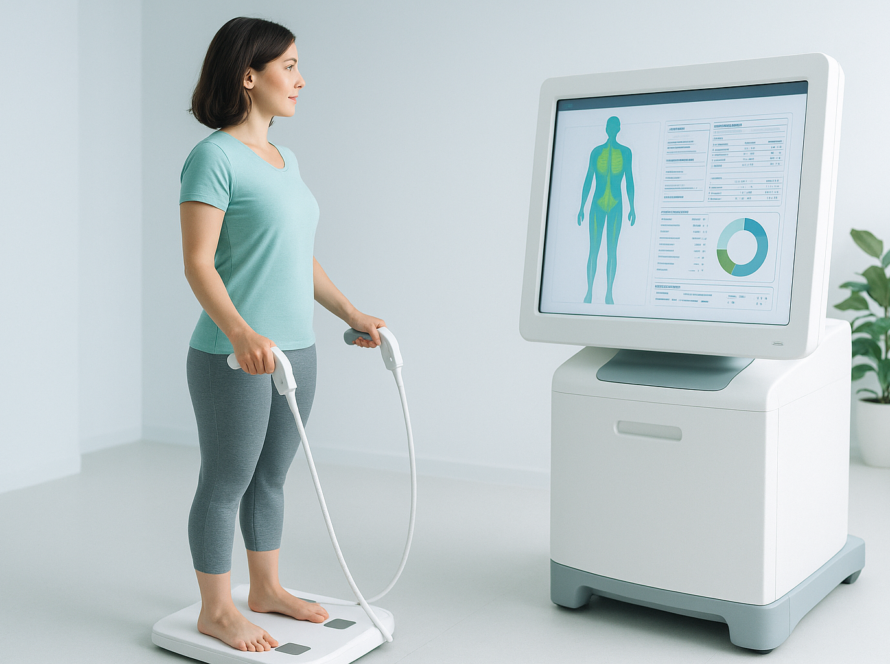
When most people think about getting healthier, they picture a smaller number on the scale. But true transformation is about body composition — the ratio of fat mass to lean mass (muscle, bone, water). A well‑designed medical weight loss program focuses on shifting that ratio in your favor. The goal is more than “weight loss”; it’s fat loss with lean‑mass preservation so you feel stronger, move better, and sustain results. This guide explains how evidence‑informed strategies, smart nutrition, movement, recovery, and supportive therapies can help you recompose your body from the inside out.
Body Composition 101: Why It Matters More Than the Scale
Two people can weigh the same but look and feel entirely different based on their body composition. Lean mass drives strength, supports posture and joint health, and helps regulate metabolism. Increasing or protecting lean mass while reducing excess body fat improves insulin sensitivity, mood, and everyday performance. In practice, this means pairing a moderate calorie deficit with resistance training, adequate protein, high‑quality sleep, hydration, and stress management. When your plan intentionally targets these levers, you’re not just smaller — you’re metabolically more resilient.
How Medical Weight Loss Changes the Equation
Medical programs bring structure and personalization to an often confusing landscape. Under clinical guidance, you’ll pair lifestyle foundations with appropriate tools to manage appetite, cravings, and recovery. Care teams monitor progress and adjust nutrition, training, and dosing to minimize plateaus. Importantly, the focus shifts from “How fast can I lose?” to “What tissues am I losing — and how do I keep the good stuff?” That shift protects your metabolism long term.
Key pillars you can expect
- Assessment first: a clear baseline of body composition, nutrition habits, sleep, stress, and activity.
- Strength‑forward training: resistance work 2–4 days per week to stimulate muscle protein synthesis and preserve lean mass during fat loss.
- Protein pacing: regular protein feedings throughout the day to support recovery and satiety.
- Movement beyond workouts: light activity and steps (often called NEAT) to keep daily energy expenditure robust without overtraining.
- Hydration and electrolytes: essential for performance, appetite regulation, and recovery.
- Recovery and stress care: sleep hygiene, breathwork, and appropriate deloads to prevent burnout.
A Three‑Phase Blueprint to Recomposition
Phase 1: Prime (Weeks 1–3)
Start by defining your baseline and aligning your plan to your physiology. Consider comprehensive lab work to illuminate thyroid function, nutrient status, lipids, and glucose control; these markers guide safer, smarter changes. At Forever Young IV Bar, the Weight Loss Complete Panel offers an in‑depth screen that can inform your strategy and help track metabolic health over time.
Nutritionally, establish consistent mealtimes, prioritize lean proteins, colorful plants, and fiber‑rich carbs, and set a hydration target. Training begins with foundational movement patterns (hinge, squat, push, pull, carry) using light to moderate loads. Recovery is the hidden accelerator: aim for a steady sleep schedule and brief daily stress‑reduction practices.
Supportive therapies can help you feel your best as you ramp up. If you’re coming off travel, heat exposure, or a period of low intake, targeted hydration may speed the transition. Forever Young’s Hydration IV Therapy delivers fluids and electrolytes to replenish what you’ve lost and can be especially helpful when beginning a new routine.
Phase 2: Recompose (Weeks 4–12)
Now you’re ready to drive fat loss while protecting lean mass. Maintain a moderate calorie deficit (not extreme) and keep protein consistent across meals. Combine progressive resistance training with low‑to‑moderate‑intensity movement on non‑lifting days. Track strength trends, step counts, and how your clothes fit; these often change before the scale does.
For some, medication‑assisted appetite management provides the consistency needed to execute the plan. Under physician guidance, a weekly GLP‑1 option such as the Semaglutide Injection may help regulate appetite and support metabolic health while you build sustainable habits. Pair any medication with strength training and balanced nutrition to prioritize fat loss over lean‑mass loss.
If you prefer a structured, time‑bound roadmap with coaching and accountability, the Forever Young 12‑WEEK WEIGHT LOSS PROGRAM integrates weekly check‑ins, targeted lifestyle support, and coordinated therapies designed to enhance fat loss while safeguarding performance and well‑being.
As intensity and life demands rise, recovery becomes non‑negotiable. Some clients incorporate periodic nutrient‑dense infusions to support energy, detox pathways, and cellular resilience alongside nutrition and training. Forever Young’s Diet and Detox IV Therapy is formulated with vitamins, minerals, amino acids, and antioxidants to complement a weight‑management plan and help you feel recharged during higher‑stress stretches.
Phase 3: Sustain (Week 13 and beyond)
Once you’ve shifted your body composition, the focus turns to maintenance and performance. Many people benefit from gradually easing back to calorie balance, keeping protein high, staying active outside the gym, and continuing progressive overload in training. Maintain the habits that moved the needle: consistent meal structure, purposeful movement, hydration, and a wind‑down routine for quality sleep. Consider periodic lab checks to monitor trends in lipids, thyroid function, glucose control, and key vitamins so you can adjust before plateaus arise.
Hydration, Electrolytes, and Recovery: Small Hinges That Swing Big Doors
Hydration status subtly affects nearly everything: energy, appetite perception, training quality, and skin health. Inadequate fluids can make workouts feel harder, slow recovery, and increase the likelihood of headaches or cramps. Build a daily plan that includes water, mineral‑rich foods (citrus, leafy greens, legumes), and strategic electrolytes around longer or sweatier sessions. If you’re short on time or recovering from travel, a session of Hydration IV Therapy can quickly restore fluid balance so you can train and recover more comfortably.
Smart Measurement: How to Track What Actually Matters
Scale weight alone can be misleading, especially when you begin lifting or increase protein intake. Use a mix of metrics to capture the full picture:
- Body measurements: waist, hips, chest, and thigh circumferences taken consistently.
- Progress photos under the same lighting, posture, and time of day.
- Training biomarkers: increases in reps, sets, or load; improved range of motion.
- Recovery markers: morning energy, sleep quality, and perceived stress.
- Periodic bloodwork: patterns in glucose, lipids, thyroid, and micronutrients via the Weight Loss Complete Panel help you pivot early.
Your Action Plan: Put the Pieces Together
- Establish your baseline. Schedule comprehensive labs and simple circumference measurements; set a realistic 12‑week goal focused on fat loss and strength gains.
- Lift consistently. Prioritize full‑body resistance sessions 2–4 times weekly. Keep one or two reps “in the tank” to recover well.
- Distribute protein. Include a quality protein source at each meal and a protein‑rich snack if needed for appetite control.
- Move more between workouts. Short walks, stretch breaks, stairs, and standing time compound into meaningful calorie burn without added stress.
- Hydrate with intention. Front‑load fluids earlier in the day; consider electrolyte support around longer or hot‑weather sessions. When life gets hectic, Hydration IV Therapy can help you bounce back faster.
- Consider tools, not crutches. If medically appropriate, options like the Semaglutide Injection or a structured plan such as the 12‑WEEK WEIGHT LOSS PROGRAM can enhance consistency while you build durable habits.
- Support recovery. Strategic sessions of Diet and Detox IV Therapy may complement nutrition and training during higher‑stress weeks.
Safety First: Who Should Consider Medical Weight Loss?
Medical weight loss may be appropriate for adults who have struggled with repeated plateaus, experience appetite dysregulation, or carry health risks tied to excess body fat. It’s not a replacement for healthy living — it’s a supported framework to help you do the basics consistently. Always discuss your medical history, current medications, and goals with a qualified provider to ensure the plan is safe, personalized, and compatible with your lifestyle.
Bottom Line: Recomposition Is the Real Win
Transforming your body composition is about intentional trade‑offs that protect what keeps you strong while reducing what holds you back. With a thoughtful, medically guided plan — built on strength training, protein pacing, daily movement, hydration, and recovery — you can lose fat, preserve muscle, and feel the results in your energy, confidence, and performance. If you’re ready for a structured, accountability‑driven approach, explore the Forever Young 12‑WEEK WEIGHT LOSS PROGRAM, pair it with smart lab monitoring via the Weight Loss Complete Panel, and consider supportive hydration and nutrient therapies as needed. The outcome isn’t just a lighter you — it’s a stronger, more resilient you.