Introduction
Competitive training pushes the body to its limits — and smart recovery is what turns hard work into consistent performance gains. A spa-style recovery plan blends evidence-based practices with calming, restorative therapies to reduce soreness, replenish nutrients, and speed the return to peak form. This 7-step spa recovery plan is practical for competitive athletes and active adults who want a science-forward, holistic approach to bounce back faster and train more sustainably.
Why a structured recovery plan matters
Recovery isn’t passive rest. It’s a targeted set of interventions — nutrition, hydration, movement, therapies, and sleep hygiene — that help tissues repair, inflammation resolve, and energy stores rebuild. When you follow a consistent plan, you reduce injury risk, improve training adaptations, and maintain long-term wellness.
7-Step Spa Recovery Plan for Competitive Athletes
1. Reset with targeted hydration
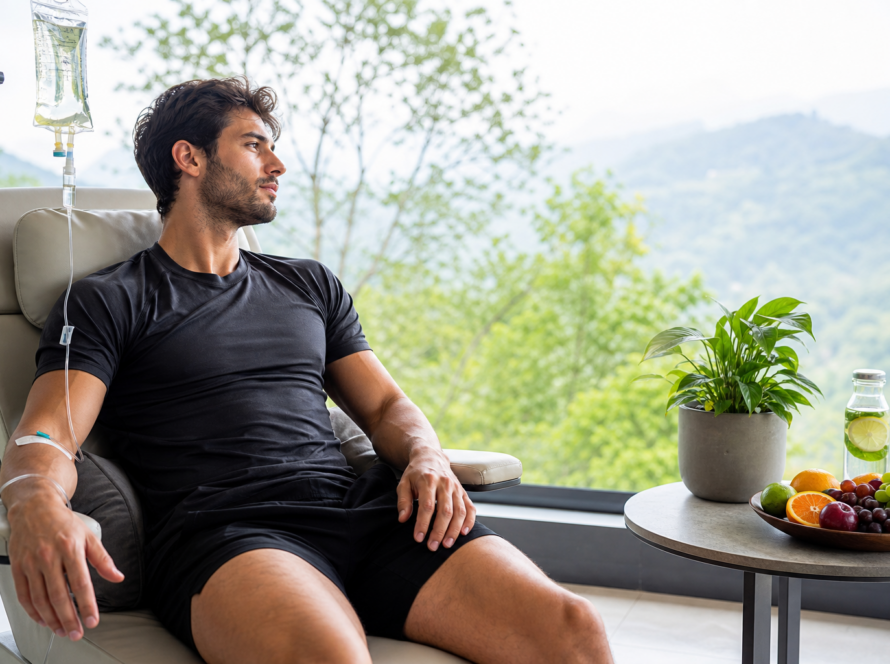
Start recovery by restoring fluid balance and electrolytes. Rehydration helps cellular repair, supports muscle function, and eases cramps after prolonged or hot-weather exercise. For many athletes a beverage containing sodium and carbohydrates is useful immediately post-session; occasional clinical support like hydration therapy can accelerate the process when losses are large or recovery time is limited. Consider a professional rehydration option such as Hydration IV Therapy for fast, medical-grade electrolyte and fluid replenishment when you need rapid recovery.
2. Deliver recovery nutrition within your window
Nutrition is the foundation of repair. Aim to consume a mix of carbohydrates and high-quality protein soon after intense training — this supports glycogen resynthesis and muscle protein synthesis. Practical choices include a balanced recovery shake, a chicken and rice plate, or a whole-food meal with lean protein and starchy vegetables. If training multiple times per day, prioritize carbohydrate intake and consider adding easily absorbed protein (20–40 g) to each post-workout meal or snack.
3. Move smart: active recovery and mobility
Gentle, low-intensity movement on rest days promotes circulation, reduces stiffness, and speeds metabolite clearance. Examples: a 20–30 minute easy bike ride, pool lap swim, light jog, yoga, or focused mobility sequences. Add foam rolling or self-massage to reduce localized tension. Keep intensity low — the goal is increased blood flow, not additional fatigue.
4. Use targeted modalities: cold, contrast, and compression
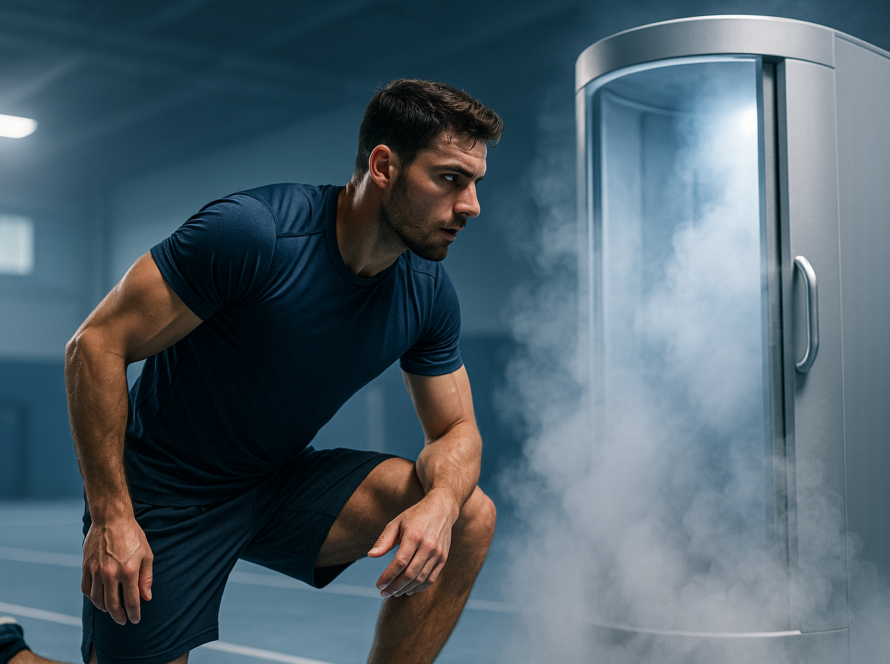
Recovery modalities like cold-water immersion, contrast hydrotherapy (alternating warm and cold), and compression garments can reduce soreness and inflammation when used appropriately. Cold immersion often helps short-term soreness after very intense sessions, while contrast therapy can be useful when you need to promote circulation and subjective recovery. Compression sleeves or pneumatic compression sessions are helpful for managing swelling and improving comfort after long-duration efforts.
5. Support repair with restorative therapies
Professional restorative services — such as guided massage, soft-tissue work, kinesiology taping, and targeted IV nutrients — enhance recovery at the cellular and systemic levels. For athletes who regularly push limits, an evidence-informed infusion like ATHLETIC PERFORMANCE IV Therapy or the RECOVERY IV Therapy can provide electrolytes, amino acids, and antioxidants that support endurance, reduce muscle fatigue, and accelerate tissue repair. Use these therapies strategically around heavy training blocks, competitions, or travel.
6. Prioritize sleep and nervous-system recovery
Sleep is the single most powerful recovery tool. Aim for consistent sleep duration and timing each night, and build a wind-down routine that limits screens, caffeine late in the day, and high-stress activities. When evenings are irregular, short daytime naps (20–30 minutes) can reduce fatigue without impairing nighttime sleep. Relaxation techniques — breathwork, progressive muscle relaxation, or guided imagery — support autonomic balance and faster recovery between sessions.
7. Track, test, and tune your plan
Recovery isn’t one-size-fits-all. Use objective and subjective metrics to tailor the plan: resting heart rate, sleep quality, training performance, soreness scales, and mood. Periodic lab screening like an Athletic Sport’s Panel can reveal deficiencies in iron, vitamin D, B12, and metabolic markers that impair recovery and performance. When patterns point to persistent fatigue or slowed progress, add focused interventions such as energy-supportive IV options like ENERGY IV Therapy or work with a nutrition coach to refine fueling strategies.
Putting the plan together: a sample weekly cycle
Integrate the seven steps into a weekly rhythm that reflects your training load. Example: heavy session day (hydrate, targeted nutrition, mobility), moderate session day (active recovery, compression), hard-interval day (post-session cold immersion and nutrition), and rest day (sleep priority, restorative therapies). Schedule clinical therapies or IV support around peak demands — for instance, a Recovery IV after a race or an Athletic Performance IV in the 24–48 hours before a major event for an extra edge.
Practical tips for consistent recovery
- Plan recovery like training: schedule sessions and therapies in your calendar.
- Refuel within 30–90 minutes of intense workouts, focusing on carbs and protein.
- Hydrate proactively during long sessions; weigh before and after to estimate losses.
- Rotate modalities — don’t rely on a single approach; combine nutrition, sleep, movement, and therapies.
- Use objective tracking (heart rate variability, resting pulse) plus how you feel to guide intensity and rest.
Conclusion
A spa-style 7-step recovery plan helps competitive athletes move beyond quick fixes toward consistent restoration and resilience. By combining smart hydration, post-exercise nutrition, active recovery, targeted modalities, restorative therapies, sleep optimization, and regular testing, you protect performance and longevity. Small, repeatable habits compound into major gains — and when you need clinical support to shorten recovery windows or address nutrient gaps, thoughtfully chosen IV therapies and blood panels can fit seamlessly into a holistic plan.
Want help building a personalized recovery routine? Consider scheduling a consultation to align training goals with targeted recovery services and evidence-based therapies that complement your plan.
Sources consulted for editorial accuracy
The following reputable reviews and position statements were consulted to ensure this plan reflects current best practices in athlete recovery and sports nutrition.
Selected sources: systematic reviews and consensus guidelines on recovery strategies, cold-water immersion, nutrition timing, and rehydration protocols.