Introduction
Recovery is where gains are made. For athletes and active people, smart recovery combines evidence-based practices—quality sleep, targeted nutrition, movement variety, and strategic therapies—to restore tissues, replenish energy stores, and reduce injury risk. Intravenous (IV) therapy can be a useful adjunct when used thoughtfully within that broader recovery plan: it delivers fluids, electrolytes, vitamins, and selected nutrients directly into the bloodstream for rapid availability. This article explains how IV treatments can fit into an athletic recovery strategy, what the evidence says, and practical, non‑promotional wellness steps to maximize results.
How IV Therapy Fits into Athletic Recovery
IV therapy is not a replacement for training, sleep, or nutrition. Instead, it’s a tool that offers rapid rehydration and direct nutrient delivery when oral intake is limited or when an athlete needs fast support after heavy exertion, travel, or illness. For example, electrolyte-rich infusions can restore fluid balance after prolonged exercise, while formulas that include amino acids and antioxidants may support short-term cellular recovery needs.
Consider these subtle, practical examples of how IV therapy may be integrated:
- Immediate rehydration after long endurance events (Hydration IV Therapy: Hydration IV Therapy).
- Focused pre- or post-event nutrient support for endurance, strength, or back-to-back competition days (Athletic Performance IV Therapy: Athletic Performance IV Therapy).
- Reset and detox support during heavy training blocks or after travel and illness to speed the return to normal workload (Recovery IV Therapy: Recovery IV Therapy).
- Targeted cellular support such as NAD+ for mitochondrial energy when prioritizing longer-term cellular recovery and resilience (NAD+ IV Therapy: NAD+ IV Therapy).
- Short-term energy and focus support during heavy training or competition blocks (Energy IV Therapy: Energy IV Therapy).
What the Evidence and Guidance Say
It’s important to be realistic: high-quality research on IV vitamin cocktails for healthy athletes is limited. IV routes do allow higher plasma concentrations of some nutrients (vitamin C is a clear example), and IV fluids are essential in medical dehydration. However, routine or recreational IV use should be considered a complementary strategy—most athletes can meet recovery needs with good oral nutrition, hydration, and sleep. Use IV therapy selectively and under medical supervision, especially when there are clear clinical needs such as severe dehydration, prolonged travel when oral intake is poor, or specific micronutrient deficiencies diagnosed by testing.
Complementary Recovery Strategies That Amplify IV Benefits
Sleep and Circadian Recovery
Sleep is the single most powerful recovery tool. Deep and REM sleep phases support muscle repair, hormone release (including growth hormone), and cognitive restoration. Schedule training loads with sleep quality in mind: prioritize sleep hygiene (consistent bedtimes, dark and cool bedroom, wind-down routines) during heavy training phases so any adjunctive therapies—like IV infusions—have a stronger foundation to build on.
Nutrition and Timing
IV therapy should complement, not replace, nutrient-dense meals. Aim for a post-exercise window that includes high-quality protein (to support muscle protein synthesis), carbohydrates to replenish glycogen when needed, and anti‑inflammatory whole foods across the day. Use testing (like an athletic sports panel) to clarify deficiencies that could justify targeted IV or injection support.
Active Recovery, Compression, and Contrast Therapy
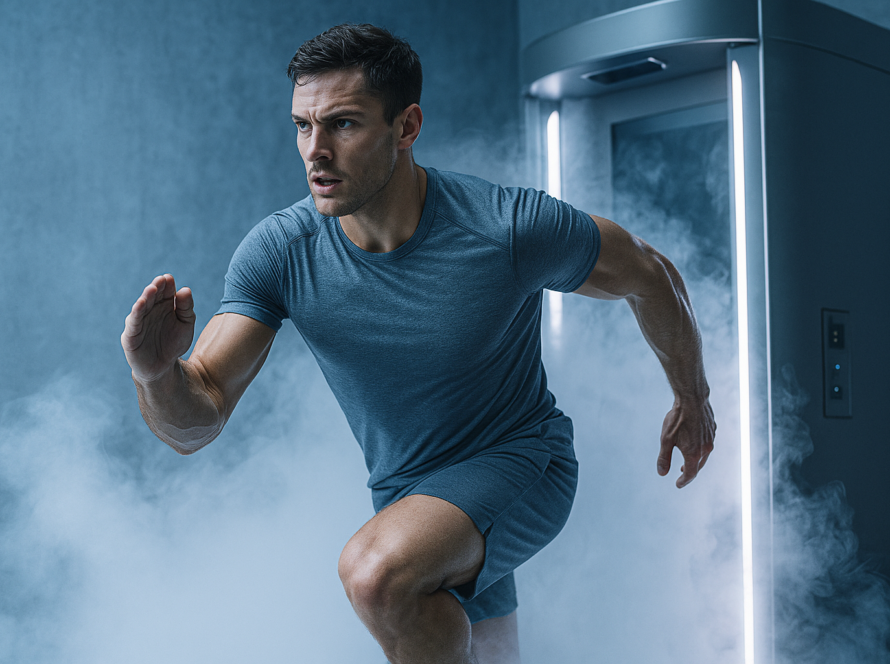
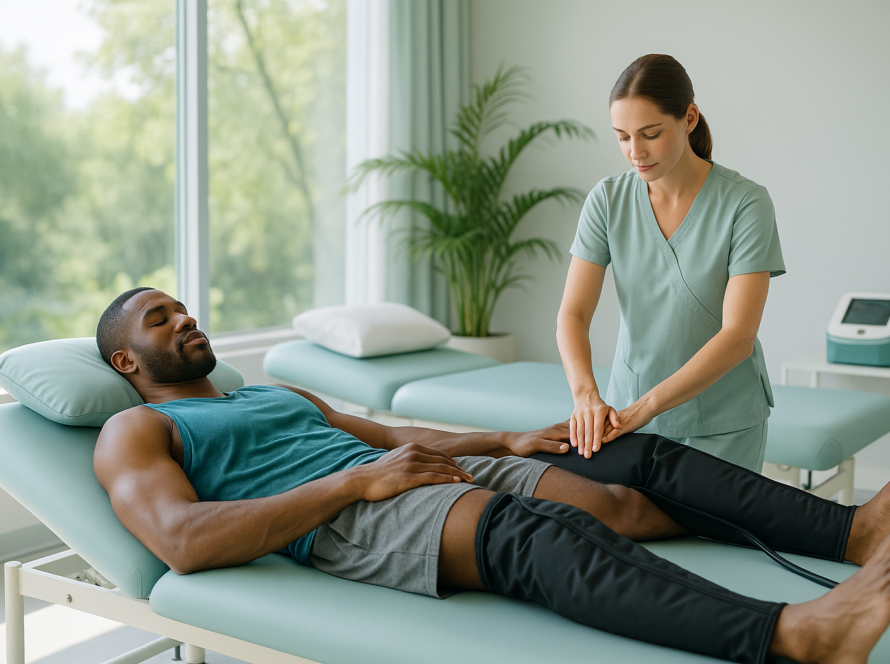
Light movement, mobility work, and active recovery sessions speed lactate clearance and restore range of motion. Compression garments and contrast water therapies (hot/cold protocols) are useful adjuncts for reducing soreness and swelling after intense sessions—these modalities can be combined with IV support for athletes who need faster turnaround between events.
Mental Recovery and Stress Management
Psychological recovery matters: guided breathing, short mindfulness practices, and deliberate relaxation reduce sympathetic load and improve sleep and readiness. When mental stress is reduced, the body’s metabolic and repair pathways function more efficiently—making nutritional and IV interventions more impactful.
Planning, Testing, and Practical Tips
To use IV therapy wisely within a recovery plan, follow a few practical steps:
- Assess need with objective measures: body weight changes (as a proxy for fluid losses), training load, travel, illness, and laboratory testing such as an athletic sports panel to check vitamin D, B12, basic metabolic markers, and hormones.
- Reserve IV sessions for strategic moments: after extreme exertion, during travel when oral fluids are difficult, or when a clinician identifies a deficiency or medical need.
- Combine therapies thoughtfully: pair rehydration or nutrient infusions with sleep prioritization, targeted nutrition, and active recovery sessions for best outcomes.
- Work with licensed clinicians: IV therapy carries risks (fluid overload, electrolyte imbalances, infection). Ensure medical screening and follow-up as part of any program.
When to Consider Professional Testing and Support
Periodic bloodwork—such as an Athletic Sports Panel—can reveal nutrient gaps, thyroid or metabolic issues, and hormonal profiles that influence recovery and performance. These data help clinicians personalize therapy, including whether IV or injection-based support is appropriate and which nutrients to prioritize.
Conclusion
Optimizing athletic recovery is a multi-dimensional process. IV therapy can be a time-efficient, targeted complement to evidence-based recovery practices, but it works best when integrated into a broader program that prioritizes sleep, nutrition, movement variety, and stress management. Use IV infusions selectively and under clinical guidance—paired with testing and sensible timing—to gain faster rehydration, targeted nutrient delivery, and an edge in recovery while keeping health and safety front and center.