Introduction
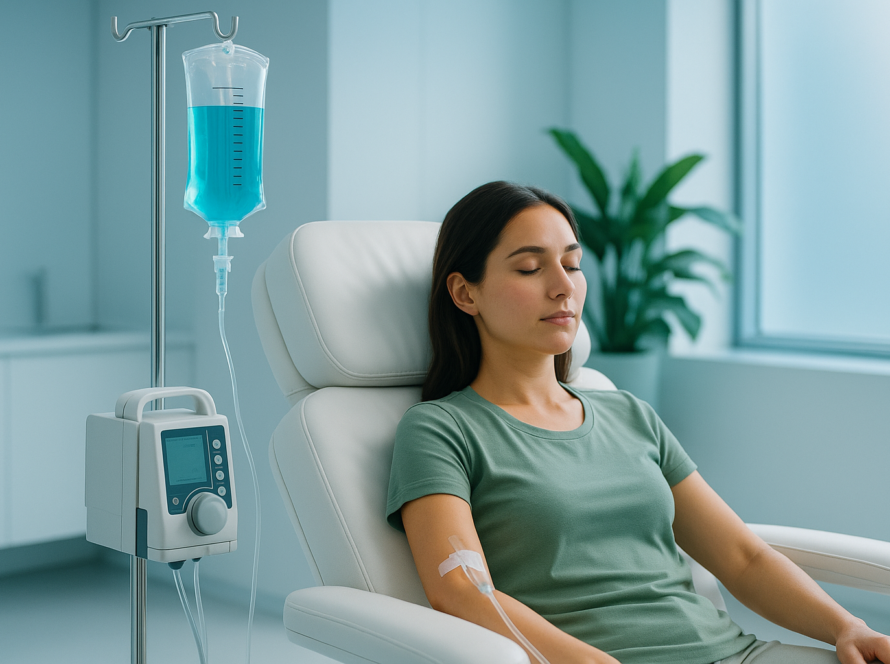
Anti-aging is about more than cosmetics — it’s a layered approach that targets cellular health, antioxidant protection, hydration, and recovery. IV protocols can deliver concentrated nutrients directly to the bloodstream to support skin health, energy, and metabolic processes. In this article we cover evidence-informed strategies for designing anti-aging IV protocols that complement lifestyle, protect skin structure, and prioritize safety.
How IV Nutrients Support Radiant Skin
Skin aging is driven by oxidative stress, collagen breakdown, and decreased cellular repair. Certain nutrients — especially vitamin C, glutathione, and NAD+ precursors — play important roles in collagen synthesis, antioxidant defense, and cellular energy. Intravenous administration bypasses gut absorption limits and can achieve higher plasma concentrations than oral intake, which may be useful when short-term, targeted support is desired. ([pubmed.ncbi.nlm.nih.gov](https://pubmed.ncbi.nlm.nih.gov/36139737/?utm_source=openai))
Core Components of an Anti-Aging IV Protocol
1. Rehydration and Electrolyte Balance
Hydration is the foundation of any skin-repair plan. Proper cellular hydration maintains skin turgor and supports nutrient delivery to the dermis. Simple, well-formulated saline and electrolyte IVs can rapidly restore fluid balance after travel, intense workouts, or heat exposure. For routine anti-aging maintenance, start with foundational rehydration and then layer targeted nutrients. Consider a baseline like Hydration IV Therapy for efficient fluid and electrolyte support. Hydration IV Therapy.
2. Antioxidants: Glutathione and Vitamin C
Antioxidants help neutralize free radicals that accelerate skin aging. Vitamin C is an essential cofactor for collagen synthesis and can support skin structure when present at sufficient levels; intravenous vitamin C reaches higher plasma concentrations than oral dosing and may have distinct biological effects. ([pubmed.ncbi.nlm.nih.gov](https://pubmed.ncbi.nlm.nih.gov/36139737/?utm_source=openai))
Glutathione is often used for detoxification and complexion support. The evidence for IV glutathione specifically as a skin lightener or anti-aging agent is mixed, and research quality varies; protocols should be offered with clear informed consent and clinical oversight. ([pubmed.ncbi.nlm.nih.gov](https://pubmed.ncbi.nlm.nih.gov/30895708/?utm_source=openai))
Relevant options at Forever Young IV Bar include High Dose Vitamin C IV Therapy and Glutathione Injection for antioxidant and skin-supportive strategies. High Dose Vitamin C IV Therapy • Glutathione Injection.
3. Cellular Energy and Repair: NAD+
NAD+ is a central coenzyme for mitochondrial function and DNA repair; research indicates NAD+ levels decline with age and that restoring NAD+ can support cellular metabolism and resilience. When used appropriately, NAD+ IV protocols are aimed at improving cellular energy and recovery — making them attractive for anti-aging strategies focused on long-term vitality. Clinical dosing and frequency are individualized. ([sciencedirect.com](https://www.sciencedirect.com/science/article/pii/S0006291X24001256?utm_source=openai))
NAD+ IV Therapy is available for clients seeking deeper cellular support as part of a comprehensive plan. NAD+ IV Therapy.
Designing a Practical Protocol: Timing, Frequency, and Layering
Anti-aging IV protocols are most effective when combined with consistent lifestyle habits. Consider these practical guidelines:
- Assessment first: Start with a wellness check to identify nutrient deficiencies, medication interactions, and health conditions that affect IV suitability.
- Begin with a foundation: Use a hydration or recovery infusion as the base, then layer antioxidants or NAD+ sessions depending on goals and tolerance.
- Staging and frequency: Short courses (e.g., 3–6 sessions spaced over weeks) can be used for an initial reset; maintenance sessions may be scheduled monthly or quarterly depending on response.
- Combine with boosters: Periodic injections like glutathione or vitamin D/B12 can sustain gains between drips.
- Coordinate with topical and lifestyle care: Protect against UV damage, use dermatologist-recommended retinoids or vitamin C serums, prioritize sleep, nutrition, and movement to support cellular repair.
Safety, Monitoring, and Evidence-Based Practice
IV therapy should be delivered under licensed medical supervision with clear protocols for sterility, dosing, and adverse-event response. Industry guidance emphasizes standardized safety practices and informed consent before offering IV nutrient therapy. Discuss medical history, allergies, and current medications with your provider prior to treatment. ([americaniv.com](https://www.americaniv.com/wp-content/uploads/2024/06/American_IV_Therapy_Association_position_statement_version.pdf?utm_source=openai))
Clinical evidence for some IV anti-aging claims continues to evolve. High-dose vitamin C has documented physiological roles and is the subject of ongoing clinical research; glutathione and NAD+ show promise in specific contexts but require individualized consideration and transparent discussion about expected benefits versus uncertainties. Regular follow-up and occasional lab monitoring help tailor protocols and ensure safety. ([pmc.ncbi.nlm.nih.gov](https://pmc.ncbi.nlm.nih.gov/articles/PMC12973930/?utm_source=openai))
Integrating IV Protocols with Holistic Wellness
IV therapy is most powerful when it complements a broader wellness plan. Simple, high-impact habits include:
- Prioritize sleep and circadian health to support collagen repair and hormone balance.
- Eat a nutrient-rich diet with vitamin C, zinc, and amino acids that support skin structure.
- Manage stress through movement, breathwork, and social connection to reduce oxidative wear on cells.
- Protect skin daily with broad-spectrum sunscreen and antioxidant skincare for additive benefits.
When combined, these habits and targeted IV protocols create a synergistic environment for radiant skin and sustained wellness.
Subtle Treatment Options to Consider
Depending on your goals and medical screening, some treatments commonly included in anti-aging plans are:
- Cosmetic IV Therapy — formulated to support collagen repair, skin brightness, and antioxidant protection.
- High Dose Vitamin C IV Therapy — supports collagen synthesis and antioxidant defenses.
- Glutathione Injection — used for antioxidant support and detox pathways when clinically appropriate.
- NAD+ IV Therapy — focused on cellular energy and repair for longevity-minded clients.
- Hydration IV Therapy — the baseline infusion to restore fluids and support skin hydration.
These options should be individualized by a licensed provider who can match formulations and schedules to your health profile and anti-aging objectives.
Conclusion
Anti-aging IV protocols can be a valuable tool for radiant skin and holistic vitality when used thoughtfully. Focus on a foundation of hydration, targeted antioxidants, and cellular support, then layer treatments in a way that complements lifestyle measures like sleep, sun protection, nutrition, and stress management. Safety and evidence-based customization are essential: consult with a licensed provider, consider appropriate lab checks, and expect ongoing dialogue about outcomes and adjustments. When integrated into a comprehensive wellness plan, IV-supported strategies can help you look and feel your best from the inside out.