When it comes to sustainable weight loss and better body composition, hormones are the quiet conductors that set the tempo for everything from appetite and energy to where your body stores fat and how efficiently you build lean muscle. At Forever Young IV Bar, we view metabolism through this whole‑person lens: nutrition, movement, recovery, hydration—and the hormonal signals guiding them. This article explains how core hormones influence fat loss and lean mass, what a medically supervised plan can look like, and where supportive therapies like IV nutrition fit into a comprehensive wellness strategy.
Why Hormonal Balance Matters More Than A “Diet”
Calories still count—but hormones decide how your body uses them. When metabolism is hormonally aligned, you’ll typically notice steadier energy, fewer cravings, more efficient fat loss, and an easier time maintaining or building muscle. When it’s misaligned, the scale may stall despite effort, or weight may return as soon as you stop a restrictive plan. That’s why medical weight loss begins with understanding your internal signals, not just slashing intake.
The Big Five Hormonal Influencers
- Insulin: Regulates blood sugar and nutrient storage. Chronically high insulin often accompanies insulin resistance, making it easier to store fat—especially centrally—and harder to mobilize it.
- Thyroid hormones (T3 and T4): Help set resting metabolic rate, body temperature regulation, and how briskly you burn fuel. Even mild thyroid sluggishness can affect energy and weight trends.
- Estrogen and progesterone: Influence where fat is stored, fluid balance, mood, and sleep. Shifts across the lifespan (e.g., perimenopause) commonly change body fat distribution and workout recovery.
- Testosterone: Supports lean mass, strength, motivation, and fat metabolism in all adults (not just men). Low levels often correlate with increased body fat and reduced muscle.
- Cortisol: Your stress‑response hormone. When chronically elevated or dysregulated, it can encourage visceral fat storage and blunt recovery.
From Scale Weight to Shape: The Body Composition Perspective
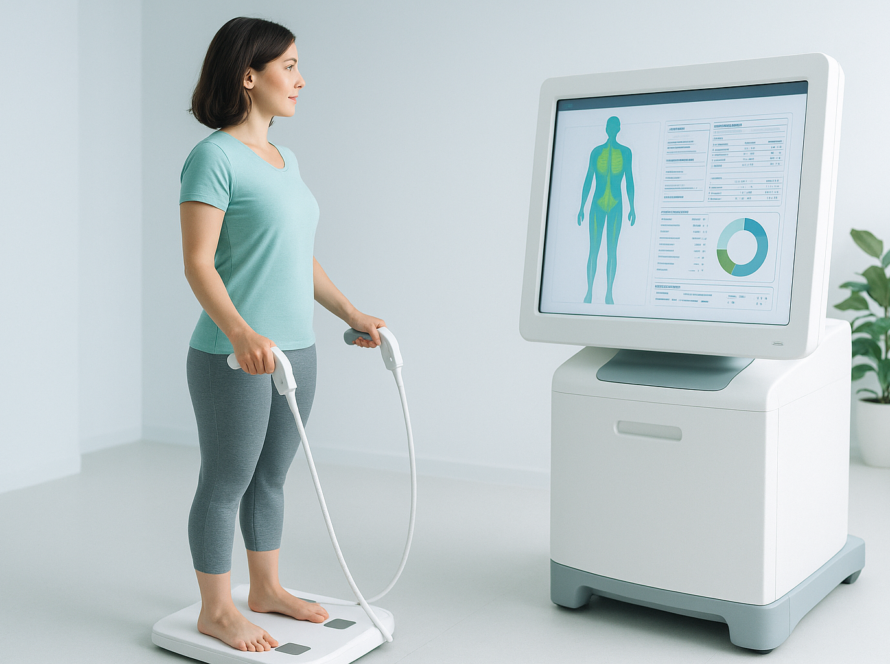
“Weight loss” and “fat loss” are not the same. Healthy changes aim to reduce excess fat while maintaining—or even increasing—lean mass. Preserving muscle supports a higher metabolic rate, better glucose control, joint stability, and long‑term weight maintenance. Practically, that means pairing a moderate calorie deficit with adequate protein, structured resistance training, and recovery practices that keep hormones in balance.
Testing First: Turn Data into a Personalized Plan
Before choosing medications or supplements, a smart program starts with targeted lab work to identify what’s driving your challenges. If you’ve noticed stubborn weight gain, fatigue, low mood, or changes in your cycle or libido, consider comprehensive hormone panels to inform next steps:
- Female Hormone Check Complete – a detailed view of sex hormones (estrogen, progesterone, testosterone), thyroid function, cortisol, and key nutrients that influence metabolism and energy.
- Male Hormone Check Complete – a comprehensive assessment of testosterone status, thyroid health, stress hormones, and nutrient markers tied to performance, body composition, and long‑term wellness.
With objective data, your provider can match interventions to your physiology—often the difference between frustrating plateaus and steady, sustainable progress.
Key Treatments Explained: Aligning Hormones with Your Weight‑Loss Goals
1) Medication‑Assisted Weight Loss (including GLP‑1–based options)
Under medical guidance, medications may help control appetite, improve blood sugar regulation, and support fat loss while you build new habits. GLP‑1–based options (prescribed when appropriate) slow gastric emptying and enhance satiety signals, which can reduce cravings and help you maintain a consistent calorie deficit without extreme restriction. Because any rapid weight loss can include some lean mass, pairing medication with adequate protein and resistance training is essential to protect muscle and metabolism.
2) Testosterone optimization for clinically low levels
For adults diagnosed with testosterone deficiency, carefully monitored therapy can support increases in lean mass, strength, mood, and energy while reducing fat mass. It is not a shortcut and is never one‑size‑fits‑all; appropriate dosing, regular labs, and lifestyle synergy are non‑negotiable. If your care team determines it’s appropriate for you, learn about clinic‑guided options such as Testosterone Cypionate and how it fits into a broader plan focused on nutrition, training, and recovery.
3) IV nutrition as a supportive tool—not a substitute
When the body is under stress from calorie changes, hard training, travel, or poor sleep, micronutrient and antioxidant needs often rise. Thoughtfully designed IV therapy can help replete key nutrients and support cellular detox pathways while you work on diet, training, and lifestyle. A popular option for clients pursuing medical weight loss is DIET & DETOX IV Therapy, formulated with vitamins, minerals, amino acids, and antioxidants that support energy production, fat metabolism, and gentle detoxification. Think of IV therapy as a short‑term accelerator and recovery aid that complements—not replaces—whole foods, daily movement, and sleep.
4) Structured, medically supervised programs
If you prefer accountability and a roadmap, a clinic‑based plan can integrate weekly coaching, nutrition support, and adjunct therapies in one place. The Forever Young IV Bar 12‑WEEK WEIGHT LOSS PROGRAM brings together medical oversight, education, and targeted tools to help reduce fat while preserving lean mass—teaching you habits you can maintain long after the program ends.
Lifestyle Levers That Amplify Hormonal Health
Medications and IVs work best when the foundation is solid. Focus on these hormone‑friendly habits to improve your body’s response:
- Protein pacing: Aim for a steady intake across meals to support satiety, muscle repair, and healthy insulin dynamics.
- Strength training 2–4 times weekly: Prioritize compound lifts and progressive overload to preserve or build lean mass. Even brief, consistent sessions matter.
- Smart carbs and fiber: Emphasize minimally processed carbohydrates paired with fiber and protein to stabilize glucose and insulin.
- Hydration and electrolytes: Adequate fluids support metabolic reactions, exercise performance, and appetite cues. If you struggle with hydration during intense phases, ask your provider about IV hydration options.
- Stress hygiene: Breathwork, time outdoors, and consistent routines help keep cortisol in a healthier range, which supports fat loss and recovery.
- Recovery rituals: Prioritize wind‑down routines and consistent bed/wake windows. Hormones recover while you do.
Building Your Personalized Metabolic Map
Two people can eat and train the same way and see very different results—not because one “worked harder,” but because their internal signals differ. A personalized plan typically follows this path:
- Assessment: Health history, symptoms, and comprehensive labs (e.g., Female Hormone Check Complete or Male Hormone Check Complete) to identify thyroid issues, insulin resistance, sex‑hormone imbalances, nutrient gaps, and stress markers.
- Plan: Calibrated nutrition (including protein targets), resistance training, recovery practices, and—when appropriate—medication or hormone therapy.
- Support: Education, coaching, and optional adjuncts like DIET & DETOX IV Therapy during higher‑stress phases or plateaus.
- Measure and adjust: Follow‑up labs and body composition tracking to confirm progress, protect lean mass, and fine‑tune dosing or strategies.
Safety, Monitoring, and Realistic Timelines
Responsible medical weight loss is steady, not sensational. Expect progressive changes in energy, appetite, and measurements before dramatic scale shifts. Any prescription therapy should include routine monitoring (labs, vitals, side‑effect screening) led by a qualified provider. Hormone therapy is not appropriate for everyone; certain conditions, medications, or life stages (including pregnancy and breastfeeding) may preclude specific treatments. Your care team will help you weigh risks and benefits and choose the safest, most effective route.
Bottom Line: Align Your Hormones, Transform Your Health
Hormonal balance isn’t a shortcut—it’s the operating system for your metabolism. When insulin, thyroid, sex hormones, and cortisol are in harmony—and you pair that internal alignment with nutrition, strength training, hydration, and recovery—fat loss becomes more predictable, lean mass is easier to maintain, and long‑term wellness feels attainable. If you’re ready to turn insight into action, explore the data‑driven path with comprehensive testing, a structured program like our 12‑WEEK WEIGHT LOSS PROGRAM, and supportive tools such as DIET & DETOX IV Therapy—always guided by your medical provider and personalized to your goals.