Unleashing Your Inner Athlete: How Cryotherapy Boosts Performance and Accelerates Recovery
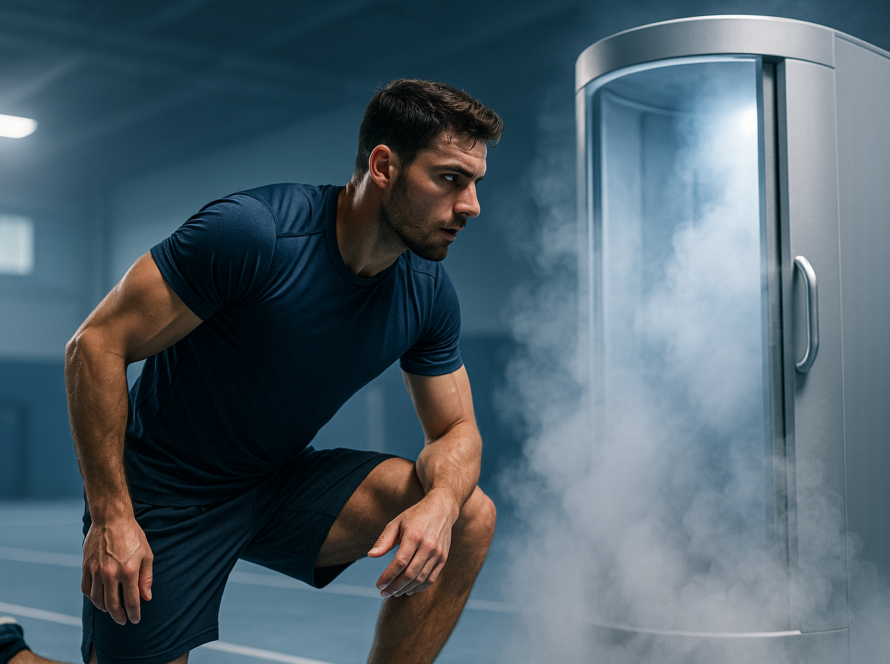
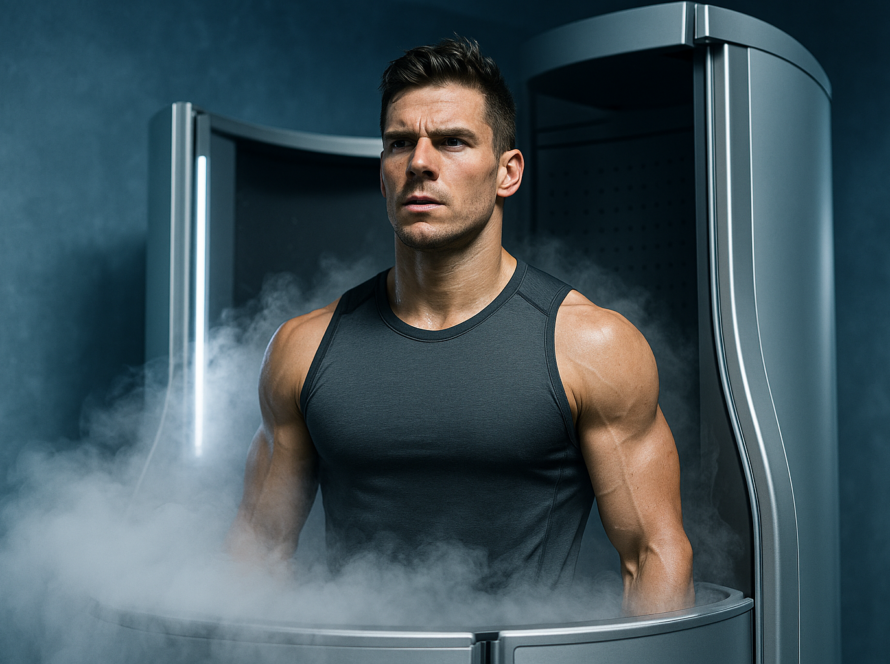
Whether you’re chasing a personal record, thriving in weekend leagues, or simply staying active for the joy of it, recovery is your competitive edge. Cryotherapy—strategic exposure to cold via cold plunges, ice baths, cryo-chambers, or localized cooling—has become a powerful recovery and performance tool for athletes and wellness seekers alike. Used wisely, it can help you train consistently, feel fresher between sessions, and maintain the energy you need to live an active life.
What Cryotherapy Actually Does
At its core, cryotherapy uses short, controlled cold exposure to nudge your body toward balance. The cold stimulus can temporarily reduce sensations of soreness, support healthy inflammation responses, and help you feel more ready for your next session. Many people also report a noticeable lift in alertness and mood after a brief cold exposure—useful before skills practice or on days when motivation dips.
There isn’t a single “right” way to use cold. The best choice depends on your goals and the rest of your training. Options include whole-body cooling (chambers or cold plunges), contrast sessions (alternating hot and cold), or localized cooling for a specific joint or muscle group. The key is to dose cold like you would any other training variable—intentionally and in context.
Performance vs. Adaptation: Timing Is Everything
When you use cryotherapy matters as much as whether you use it. Think in terms of two goals:
- Short-term performance: Feeling fresh for today’s practice, event, or high-output conditioning session.
- Long-term adaptation: Building muscle, strength, and fitness over weeks and months.
If your priority is performance today—like a competition or a high-intensity team practice—brief cold exposure after the session can help you feel ready sooner. If your priority is adaptation—especially muscle and strength gains—avoid cold immediately after heavy resistance training. Instead, save it for rest days, after lighter skills work, or several hours away from the lift. This simple timing strategy lets you capture recovery benefits without “getting in the way” of the training stimulus you just worked hard to create.
Practical Cold-Use Frameworks You Can Start Today
1) Post-Conditioning Reset
After hard conditioning (intervals, circuits, tempo runs): take a short, steady cold session to lower thermal strain and calm the system. Keep it comfortable—not a shock challenge—and follow with an easy re-warm and nutrition.
2) Skills-First Approach
On technique or mobility days, use a brief cold exposure beforehand (think: very short cool rinse) to wake up the senses and sharpen focus, then train. Save longer cold for after the session or another day.
3) Strength Days: Delay the Cold
When the goal is muscle and strength, schedule cryotherapy later—several hours after lifting or on your next rest/recovery day. You’ll preserve the adaptive signal while still getting the refresh you love from cold.
Hydration, Electrolytes, and Cold: The Overlooked Trio
Cold exposure can increase urine output and shift fluid balance. Going into a plunge or cryo session even mildly dehydrated can make you feel more chilled and less resilient. Support your cold routine with smart hydration and electrolytes, especially around high-sweat training blocks or hot-weather practices.
- Before a planned cold session, drink water and include electrolytes with a light snack.
- Afterward, rehydrate and add protein plus carbohydrates to jump-start recovery.
If you’re rebuilding after a long training day—or bouncing back from travel, heat, or a big event—consider targeted hydration support. Forever Young IV Bar’s Hydration IV Therapy is designed to replenish fluids and electrolytes quickly so you can feel balanced and ready for the next session.
Stacking Recovery: Where IV Therapy Fits
Cryotherapy is powerful on its own, and it pairs well with nutrient-focused strategies that support cellular recovery. IV therapy can complement cold by addressing hydration, micronutrients, and amino acids—the raw materials your body uses to repair.
- Before high-output training or competition: Athletic Performance IV Therapy provides fluids, electrolytes, B vitamins, and amino acids formulated to support endurance and focus. Use on a strategic training day when you want to arrive fueled and steady.
- After big efforts or during heavy weeks: Recovery IV Therapy supports replenishment with fluids, electrolytes, vitamins, amino acids, and antioxidants for a comprehensive post-load reset.
- On the go or between sessions: The Tri-Amino Acids Injection (L-Arginine, L-Citrulline, L-Ornithine) can support blood flow and recovery in a quick visit without downtime.
Choose the option that fits your training calendar and how you want to feel walking into your next workout.
Safety First: Make Cold a Controlled Stressor
Cryotherapy should feel challenging but manageable. Keep these fundamentals in mind:
- Start shorter and warmer, then build gradually over several weeks. There’s no prize for suffering.
- Breathe normally—steady nasal or relaxed diaphragm breathing reduces the “gasp” reflex and keeps your nervous system in check.
- Re-warm gently with light movement, dry layers, and a warm beverage. Skip scalding showers immediately after deep cold; allow your body to come back to baseline smoothly.
- Know when to skip: If you have a history of cold sensitivity (e.g., cold urticaria), Raynaud’s phenomenon, uncontrolled hypertension, open wounds, or circulatory issues, talk with a healthcare professional before trying cold.
Not sure where to start? If you’re preparing for a sports season or returning to activity, Forever Young IV Bar offers a quick, affordable Sports Physical to make sure you’re cleared and ready to train.
A Sample “Inner Athlete” Week Using Cryotherapy
Use this template to explore what works for you. Adjust duration and temperature to comfort, and always prioritize sleep, nutrition, and steady hydration.
- Monday (Strength): Lift → mobility → no cold immediately after. Optional short cold later in the evening or on Tuesday AM.
- Tuesday (Skills/Tempo): Skills practice or tempo run → optional short cold post-session for a calm, refreshed feel.
- Wednesday (Active Recovery): Easy cardio + mobility → brief cold exposure → gentle re-warm → protein-rich meal.
- Thursday (Strength): Lift → mobility. Save longer cold for Friday.
- Friday (Conditioning): Intervals or circuits → short, steady cold to reduce thermal strain → rehydrate and refuel. Consider Hydration IV Therapy if training in heat or after heavy sweat loss.
- Saturday (Long Session or Event): Compete or go long → supportive meal → consider Recovery IV Therapy for a comprehensive reset within your recovery window.
- Sunday (Restorative): Light walk, mobility, breathwork → short, comfortable cold session if desired → early bedtime.
Holistic Recovery Habits That Amplify Cryotherapy
- Protein and colorful plants at every meal to provide amino acids and antioxidants for repair.
- Sleep consistency: aim for a stable bedtime and wake time; use cold earlier in the evening if it leaves you wired.
- Mobility and tissue care: pair short cold exposure with gentle mobility afterward to restore comfortable range of motion.
- Mindset matters: use a brief pre-session routine (breath + intention) so the cold is a focused practice, not a random challenge.
When your week gets demanding, targeted support can help you stay on track. On high-output training blocks, Athletic Performance IV Therapy can help you arrive fueled, and a quick Tri-Amino Acids Injection between sessions offers a convenient nudge for circulation and recovery.
Key Takeaways
- Use cryotherapy with intention: great for feeling fresher between hard efforts, less ideal immediately after heavy strength training.
- Stack your recovery: align cold with hydration, nutrients, and quality sleep for the biggest payoff.
- Personalize: experiment with timing, duration, and frequency—keep what helps you train consistently and feel great.
Conclusion: Train Harder, Recover Smarter
Unleashing your inner athlete isn’t about doing more; it’s about recovering better so your best efforts show up when it counts. Cryotherapy can be a smart, accessible way to control stress, manage soreness, and stay consistent through the ups and downs of training. Pair it with strategic hydration and nutrient support—like Hydration IV Therapy, Athletic Performance IV Therapy, and Recovery IV Therapy—and you’ll have a reliable, holistic system for performance and wellness you can sustain year-round. If you’re preparing for a season or returning to sport, the Sports Physical offers a simple way to check your readiness so you can focus on what you do best: moving, progressing, and enjoying the process.