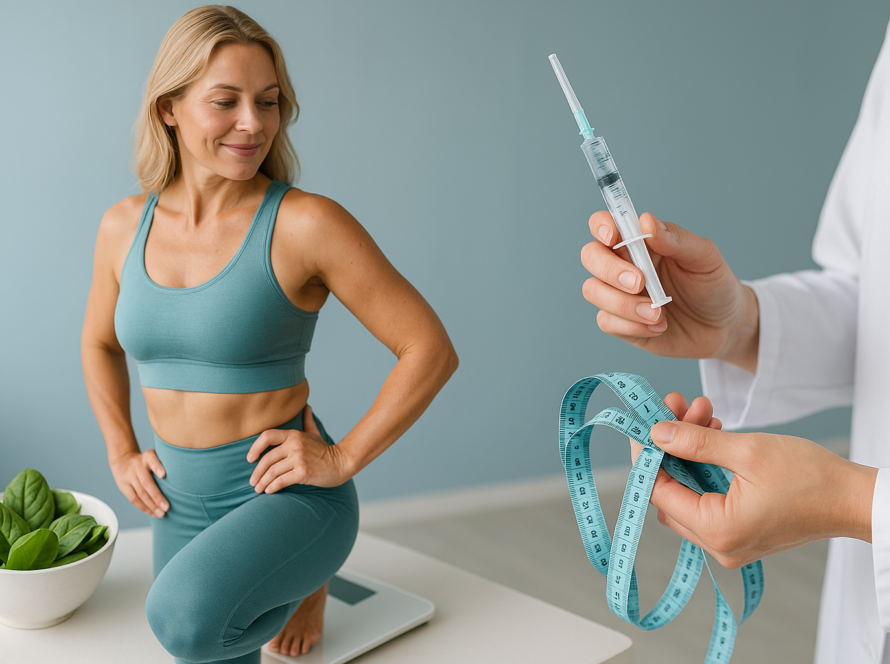
When most people think about weight loss, they picture a number on a bathroom scale. But meaningful, sustainable change is about more than pounds—it’s about what those pounds are made of. Body composition analysis looks beneath the surface to show how much of your weight comes from fat, muscle, bone, and water. For anyone pursuing medical weight loss and a healthier lifestyle, this data can transform a generic plan into a truly personalized roadmap. At Forever Young IV Bar, we believe that blending smart testing, targeted nutrition, movement, recovery, and thoughtful support services helps you feel—and measure—real progress.
Why the Scale Doesn’t Tell the Whole Story
Two people can weigh the same but have very different health profiles depending on their fat mass, lean mass (especially skeletal muscle), and hydration status. Focusing solely on weight can lead to frustration, plateaus, and misinformed choices. Body composition analysis gives you a more accurate snapshot of health, showing whether you’re losing fat, preserving muscle, and supporting metabolic function over time.
What Body Composition Analysis Measures
- Body fat percentage and distribution: In addition to overall body fat, many assessments estimate visceral fat—the deeper fat around organs that’s linked with metabolic risk. Seeing trends here helps you target nutrition, movement, and recovery strategies.
- Skeletal muscle mass: Muscle isn’t just for strength—it’s metabolically active tissue that supports energy production, glucose control, and joint health. The goal isn’t only to weigh less; it’s to keep or build muscle while reducing excess fat.
- Basal/resting metabolic rate (BMR/RMR): An estimate of how many calories your body needs at rest. Understanding this number helps tailor your intake and ensures you’re fueling—not starving—your results.
- Hydration status: Water balance affects everything from digestion and skin to exercise performance and appetite cues. Tracking it prevents you from confusing water shifts with true fat loss.
Turning Numbers Into a Personalized Plan
Data is only powerful when you use it. Here’s how body composition insights shape a medical weight loss strategy that works in real life.
1) Nutrition that matches your lean mass
Protein needs, fiber goals, and overall calorie targets are more precise when they’re informed by your muscle mass and energy expenditure. Many people see better progress by setting protein around lean mass, prioritizing whole-food carbohydrates for training days, and balancing healthy fats for satiety and hormone support. Your plan can then flex as your body composition changes.
2) Strength training to protect your progress
Resistance training is one of the most reliable ways to preserve or build muscle during fat loss. Think fundamental movement patterns—squats, hinges, pushes, pulls, and carries—progressed gradually. As your skeletal muscle improves, body composition often follows: clothing fits better, strength rises, and your metabolism becomes more resilient.
3) Move more outside the gym
Non-exercise activity (daily steps, standing, light chores) can quietly account for a large share of energy use. A modest increase in everyday movement supports fat loss without adding stress to your system. It’s also an excellent lever on busy weeks when you can’t get to the gym.
4) Recovery, stress, and sleep
Quality sleep and stress management help regulate appetite, cravings, and energy. Short, regular relaxation practices—breathwork, stretching, a brief walk—create the calm your body needs to adapt. Track how improved recovery shows up on your next body composition check: steadier water balance, better muscle retention, and more consistent fat loss.
Hydration and Micronutrients: The Often-Missed Lever
Hydration status can meaningfully influence performance, appetite, and the way your body partitions nutrients. When you’re dehydrated, workouts feel harder, recovery lags, and it’s tough to distinguish thirst from hunger. Replenishing fluids and electrolytes—especially during travel, after an illness, or in hot weather—keeps your plan on track.
For times when life pushes you harder than usual, Hydration IV Therapy can provide rapid fluids and electrolytes to support balance and recovery. And when your goal is to jumpstart healthy habits and support cellular processes involved in metabolism, Diet & Detox IV Therapy offers nutrients and antioxidants designed to complement a nutrition-forward weight loss plan. These therapies are supportive tools—not replacements for diet, movement, or medical care—but they can help you maintain momentum when stress, travel, or training demand more from your body.
Medical Weight Loss, Safely Personalized
Medication-assisted options can be helpful when combined with coaching, nutrition, movement, and regular body composition monitoring. Because medications may influence appetite, hydration, and how your body changes during weight loss, tracking muscle and fat compartments helps you adjust protein intake, training volume, and recovery to protect lean mass while you reduce body fat.
If you prefer a structured approach with accountability and professional guidance, the 12-Week Weight Loss Program at Forever Young IV Bar pairs individualized coaching with supportive therapies to help you build sustainable habits. The focus is on long-term lifestyle changes, not quick fixes.
Remove Hidden Roadblocks With Thoughtful Lab Work
Feeling stuck even with a solid plan? Sometimes imbalances in thyroid function, vitamins, or sex hormones make progress harder. Using targeted panels can clarify what your body needs to perform well. For women, the Female Pre-Panel evaluates thyroid, reproductive hormones, nutrient status, and cardiometabolic markers. Men can consider the Male Pre-Panel for a similarly comprehensive overview. Bringing objective lab data alongside body composition results gives your provider a clearer picture and a safer, more efficient path forward.
A Simple, Body-Composition–First Weekly Framework
- Measure: Start with a baseline assessment. Re-check periodically to evaluate trends—not just day-to-day fluctuations.
- Fuel: Build each meal around protein, colorful plants, quality carbohydrates, and healthy fats. Adjust portions to your activity and hunger signals.
- Train: Prioritize resistance training and include low-to-moderate intensity activity on non-lifting days. Progress gradually.
- Hydrate: Keep fluids steady throughout the day; add electrolytes when training hard, traveling, or recovering from illness. Consider Energy IV Therapy on demanding weeks for nutrient and hydration support.
- Recover: Protect sleep, manage stress, and schedule short breaks to reduce overwhelm. Your body comp results will reflect the quality of your recovery.
- Refine: Use your next assessment to guide small changes—adjust protein, tweak training volume, and recalibrate hydration or micronutrient support as needed.
What Progress Really Looks Like
Lasting success doesn’t always show up as a dramatic weekly drop on the scale. Instead, look for a consistent trend in lower body fat, steady or improved muscle mass, stronger workouts, better energy, fewer cravings, and clearer skin—all signs your plan is working. Body composition analysis helps you celebrate the wins that matter and course-correct when needed.
Bringing It All Together
Medical weight loss becomes more effective when you can see how your body is changing on the inside—not just what the scale says. Body composition analysis turns guesswork into guidance, and pairing it with hydration, nutrient support, strength training, and appropriate lab testing personalizes your path to health. When you need extra support, Forever Young IV Bar offers targeted services that fit within a sensible, evidence-informed plan, including Hydration IV Therapy, Diet & Detox IV Therapy, Energy IV Therapy, the 12-Week Weight Loss Program, and the Female Pre-Panel.
This article is educational and not a substitute for medical advice. Always consult your licensed provider—especially if you take prescription medications or have underlying health conditions—before beginning any new weight loss, fitness, or IV therapy program.