Unlocking Peak Performance: How Cryotherapy Can Enhance Athletic Recovery and Prevent Injuries
Whether you’re a weekend warrior, a competitive athlete, or simply committed to feeling your best, recovery is where performance is built. One recovery method gaining momentum across sports and wellness communities is cryotherapy. From whole-body cryo chambers to targeted cold therapy and ice baths, smart use of cold can help you bounce back faster, reduce soreness, and support injury prevention—when paired with good sleep, nutrition, and hydration. Here’s a science-informed, wellness-first guide to using cryotherapy strategically, plus ways to integrate it with hydration and nutrient support for a complete recovery plan.
What Is Cryotherapy—and How Does It Work?
Cryotherapy is the therapeutic use of cold to influence physiological processes. You’ll see it in several forms:
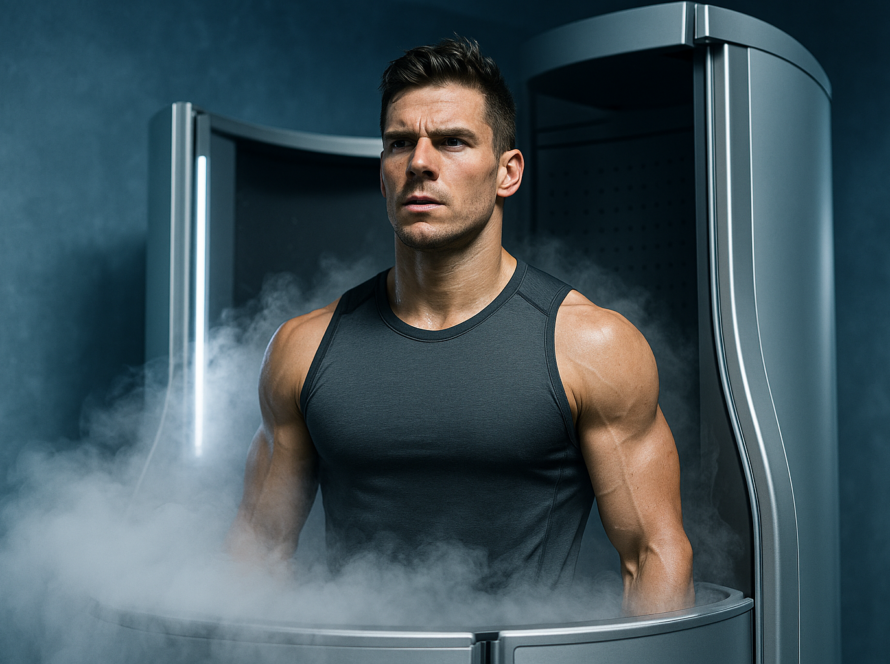
- Whole-Body Cryotherapy (WBC): Brief exposures (typically 2–3 minutes) to extremely cold air in a supervised chamber.
- Local Cryotherapy: Directed cold air or cold packs applied to a specific muscle or joint.
- Cold Water Immersion (Ice Baths): Short immersions in 50–59°F (10–15°C) water, often used post-workout.
Cold triggers vasoconstriction (narrowing of blood vessels), which can reduce local swelling and blunt excessive inflammatory signaling after intense training. Once rewarming begins, a rebound in circulation helps remove metabolic byproducts and delivers fresh oxygen and nutrients to tissues. Cold may also slow nerve conduction, temporarily easing pain and soreness, which can help you move better during active recovery.
Key Benefits for Athletes and Active People
1) Reduce Post-Workout Soreness (DOMS)
Delayed onset muscle soreness peaks 24–72 hours after unfamiliar or intense exercise. Strategic cold exposure can lessen the perception of soreness, enabling you to maintain training quality while recovering.
2) Support Joint and Soft-Tissue Recovery
Local cryotherapy—like icing a tender Achilles or using a cold pack on the shoulder—can temporarily reduce discomfort and swelling, making room for gentle mobility work, stretching, and blood flow techniques that support healing.
3) Promote Faster Turnaround Between Sessions
With improved comfort and controlled inflammation, athletes often feel ready for their next effort sooner. In multi-day competitions or dense training blocks, that can be the difference between simply “getting through it” and performing well.
4) Potential Sleep and Mood Support
Well-timed cold exposure, followed by adequate rewarming, can leave many people feeling relaxed and ready for sleep—a powerful, natural performance enhancer.
Can Cryotherapy Help Prevent Injuries?
Injury prevention is multifactorial: strength balance, mobility, tissue capacity, sleep, nutrition, hydration, and intelligent programming all matter. Cryotherapy helps by:
- Managing acute soreness so you can move with better mechanics during recovery days.
- Temporarily calming irritated tissues to allow low-load rehab exercises and targeted mobility work.
- Encouraging a consistent recovery routine, which reduces the temptation to “push through” pain.
Think of cryotherapy as a recovery amplifier—most effective when combined with restorative sleep, protein-rich nutrition, and hydration that replenishes fluids and electrolytes.
When to Use (and When to Skip) Cryotherapy
Best Times to Use Cold
- After high-volume cardio, long runs, or tournaments when soreness and heat load are high.
- Following practices or games when quick turnaround is needed the next day.
- As a short, targeted session for a cranky joint or tendinopathy flare (avoid direct ice on bare skin).
When to Be Cautious
- Immediately after heavy strength training if your primary goal is muscle size or strength adaptation—chronic, repeated cold exposure right after lifting may blunt some training signals. If hypertrophy is the priority, use cold later in the day or on non-lifting days.
- If you have cardiovascular disease, uncontrolled hypertension, cold urticaria, Raynaud’s phenomenon, peripheral neuropathy, or are pregnant—speak with your healthcare provider first.
- Never apply extreme cold directly to skin; use barriers and follow professional guidance for timing and temperature.
Build a Smarter Recovery Stack
Cold is powerful, but recovery is holistic. A simple “stack” brings together cold exposure, movement, hydration, and nutrition for comprehensive support:
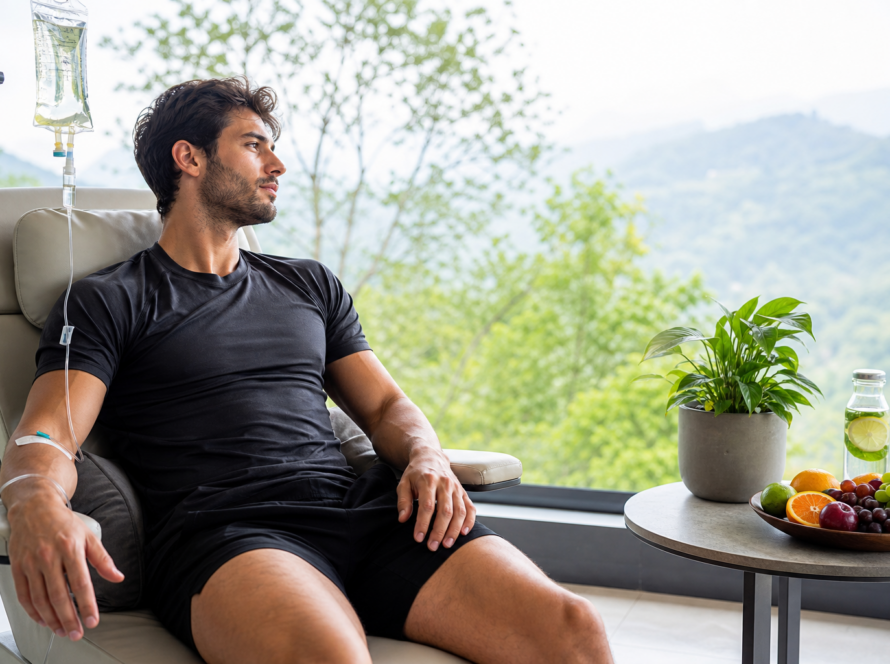
- Rehydrate and replenish electrolytes. If you’re training hard, consider structured hydration support, such as Hydration IV Therapy to restore fluid balance efficiently.
- Use targeted cold. For global soreness or tournament weekends, plan a brief whole-body or ice bath session. For specific hot spots, use local cryo or a cold pack.
- Follow with gentle movement. Light cycling, walking, or mobility work helps recirculate blood and maintain range of motion.
- Refuel with protein and colorful plants. Aim for 20–40 grams of quality protein within 1–2 hours post-training plus antioxidants from fruits and vegetables.
- Layer in nutrient support during heavy blocks. Athletes often benefit from amino acids that support nitric oxide and blood flow; a convenient option is the Tri-Amino Acids Injection (L-Arginine, L-Citrulline, L-Ornithine) to complement recovery routines.
Integrating Cryotherapy with IV Wellness Support
For demanding seasons—races, tournaments, travel—hydration and micronutrient status can make or break your recovery window. Many athletes pair cold exposure with IV therapy to fast-track fluids, electrolytes, and key vitamins:
- Athletic Performance IV Therapy: Designed to support endurance and post-training recovery with fluids, electrolytes, B vitamins, and performance-focused amino acids.
- Recovery IV Therapy: A restorative blend with antioxidants like glutathione to counter oxidative stress after heavy training blocks.
These options don’t replace food or sleep—they complement them by helping you arrive at your next session well-hydrated and replenished.
Practical Protocols You Can Try
Post-Endurance Day
- 0:00–0:15 — Cool down with easy movement and breath work.
- 0:15–0:25 — Cold water immersion: 3–8 minutes at 50–59°F (10–15°C), or brief WBC under supervision.
- 0:25+ — Rewarm with light mobility, dry clothes, and a warm beverage. Rehydrate and refuel.
Post-Strength Day (Hypertrophy Focus)
- Use cold later in the day or the following morning, not immediately post-lift, to protect adaptation signals.
- Opt for local cold on specific joints if needed, rather than full-body exposure post-lift.
Targeted Pain or Tendon Flare
- Local cryotherapy 10–15 minutes with a protective barrier, followed by light, pain-free mobility and isometrics.
- Repeat 1–2 times per day during acute flares as advised by your provider.
Beyond Cold: Movement Quality and Joint Support
Improving movement patterns and joint stability is just as critical as cooling tissues. In phases when joints need extra support, consider professional taping to reinforce mechanics while you rebuild capacity. Kinesiology Taping for Joint Stability can be a helpful adjunct during return-to-play, enabling pain-managed movement while you progress strength and mobility.
Safety, Supervision, and Personalization
- Start conservatively with time and temperature; more is not better with cold.
- Protect fingers, toes, and sensitive areas; avoid direct ice on bare skin.
- If using a cryo chamber, ensure professional supervision and follow all safety protocols.
- Discuss cryotherapy with your healthcare provider if you have medical conditions or take medications that affect circulation or sensation.
Bringing It All Together
Cryotherapy is a versatile tool for reducing soreness, supporting joint comfort, and enhancing readiness between training sessions. Its real magic appears when you treat it as one piece of a bigger performance picture—anchored by sleep, smart programming, real-food nutrition, and strategic hydration. For athletes who need reliable recovery in busy seasons, combining cold exposure with hydration and targeted nutrient support—like Hydration IV Therapy, Athletic Performance IV Therapy, and Recovery IV Therapy—can help you arrive fresh, focused, and ready to perform. For joint support during high-load phases, Kinesiology Taping for Joint Stability and amino-acid support like the Tri-Amino Acids Injection round out a comprehensive plan.
Listen to your body, personalize your timing, and adjust based on goals. Use cold to reduce friction in your recovery routine—not to override signals that you need rest. When used thoughtfully, cryotherapy can be the cool-headed ally that keeps your wellness and performance on track.