The Ultimate Guide to IV Therapy: Benefits, Procedures, and Choosing the Right Infusions for Your Wellness Goals
Intravenous (IV) therapy is no longer reserved for hospital settings. In wellness care, targeted IV infusions deliver fluids, electrolytes, vitamins, minerals, and amino acids directly into the bloodstream for rapid absorption. This guide explains how IV therapy works, its potential benefits and safety considerations, what to expect during a session, and how to choose an infusion that aligns with your personal health goals—while also offering holistic, non-promotional tips you can use every day.
How IV Therapy Works—and Why Absorption Matters
Most nutrients taken by mouth must pass through digestion and first-pass metabolism before entering circulation. By contrast, IV therapy bypasses the gut to deliver precise ingredients directly to your bloodstream. The result is rapid rehydration, reliable dosing, and quick onset of effects—particularly helpful when hydration, energy, or immune support are priorities.
Wellness IVs are typically formulated in a balanced fluid base (often 500–1000 mL) with electrolytes and a curated combination of vitamins, minerals, and sometimes amino acids or antioxidants. A licensed provider screens you in advance, selects or customizes a protocol, and monitors you throughout the infusion.
Potential Benefits of IV Therapy for Whole-Person Wellness
- Efficient Hydration: Restores fluid and electrolyte balance after travel, intense training, heat exposure, or demanding schedules.
- Nutrient Repletion: Replenishes vitamins and minerals that may be low due to stress, limited intake, or increased physiological demand.
- Recovery and Resilience: Support for the immune system and post-exertion recovery when life (or training) ramps up.
- Cognitive and Mood Support: Formulations that include B vitamins, magnesium, and amino acids may support clarity and calm.
- Skin and Metabolic Wellness: Antioxidants and amino acids can complement lifestyle habits aimed at healthy skin and steady energy.
IV therapy is not a cure-all, and it works best when paired with the foundations of health—sleep, movement, nourishing food, stress regulation, and connection.
Safety First: Who Is a Good Candidate?
Appropriate screening is essential. Share your full medical history, medications, allergies, and wellness goals with your provider. In general, people with significant kidney disease, severe heart failure, or certain enzyme deficiencies may require modified protocols or should avoid specific ingredients. Individuals who are pregnant or breastfeeding should consult their prenatal clinician and the IV provider to determine what is appropriate for their stage of care. If you have a known sensitivity to any ingredient, or you’re unsure about a past reaction, discuss it before scheduling.
Important note: Severe dehydration (e.g., from protracted vomiting, high fever, or heat illness) can be a medical emergency—seek urgent care first. Wellness IVs are supportive therapies and are not a substitute for emergency or primary medical treatment.
What to Expect During an IV Session
- Check-in and Screening: A licensed provider reviews your health history, vitals, and goals. They help you select a suitable infusion.
- IV Placement: After skin cleansing, a small catheter is inserted into a vein (usually in the arm). Most people feel a brief pinch.
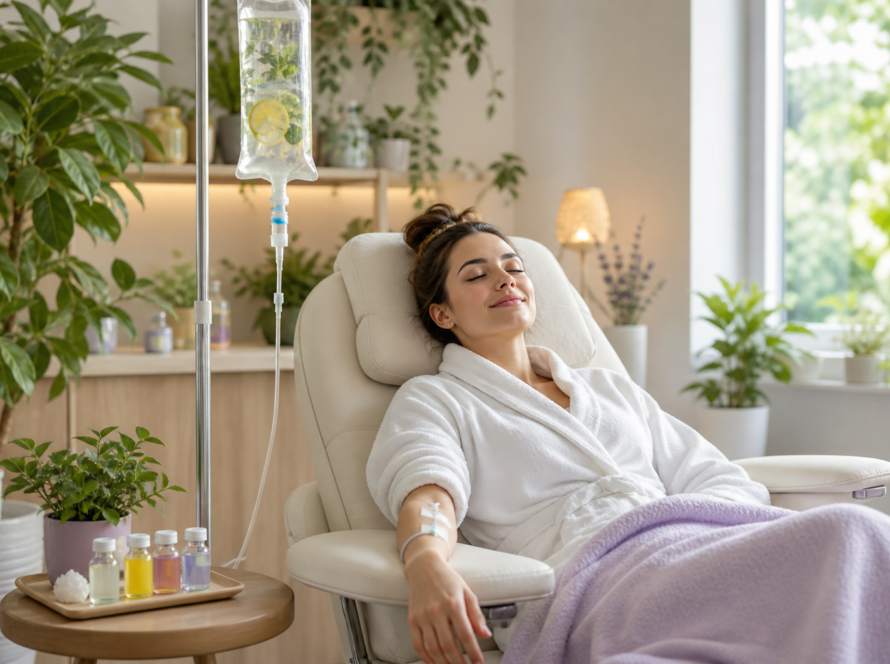
- Infusion: Fluids and nutrients drip in by gravity or pump. Typical sessions last about 30–60 minutes depending on volume and formulation.
- Monitoring: Throughout the session, you’ll be monitored for comfort and tolerance. Tell your provider if you feel chilled, lightheaded, or experience any unusual sensations.
- Post-Care: The catheter is removed and a small dressing is applied. Hydrate, eat a balanced meal, and resume normal activity unless your provider advises otherwise.
How to Choose the Right Infusion for Your Wellness Goals
Match your selection to your current priorities and the season of life you’re in. Consider these goal-based options and discuss the details with your provider.
- Rehydration and Reset: If you’re recovering from travel, long workdays, or heat exposure, consider Hydration IV Therapy (available in 500 mL or 1000 mL). It focuses on fluids and electrolytes, with supportive vitamins for a quick, balanced replenishment.
- Immune Resilience and General Wellness: For well-rounded support during demanding seasons, the time-tested Original IV Therapy – Myers Cocktail blends vitamin C, B vitamins, magnesium, and minerals for broad recovery and immune support.
- Steady Energy Under Stress: If you’re pushing through long days or training cycles, Energy IV Therapy provides a targeted mix of B vitamins, minerals, and amino acids to support cellular energy metabolism and mental clarity—without the stimulant crash.
- Focus and Cognitive Clarity: For seasons that demand deep concentration, presentations, or exams, Brain Health IV Therapy prioritizes neuro-supportive nutrients to help reduce brain fog and sharpen attention.
Curious about advanced longevity tools? Therapies like NAD+ are sometimes used in performance and healthy-aging contexts. Ask your provider whether this is appropriate for you and how to pair it with lifestyle foundations for best results.
Personalization: Labs and Dialogue Make a Strong Plan
The most effective wellness plans are individualized. A brief discussion of your goals, recent stressors, sleep, and nutrition can help your provider tailor an infusion to your needs. In some cases, a basic lab screen adds helpful context—especially if you’re addressing chronic fatigue, recurring infections, or training load.
To establish a simple baseline, consider the General Wellness Panel for essential health markers. Results can guide choices around nutrient-dense food, supplementation, and whether a specific IV formulation is the right match for your current season.
Before and After Your Infusion: Holistic Tips That Maximize Benefits
- Hydrate Intentionally: Drink water in the hours before your session. Add electrolytes if you’ve been sweating or traveling.
- Eat a Balanced Snack: A light meal with protein, fiber, and healthy fat (e.g., eggs and greens, Greek yogurt with berries, or a quinoa-bowl) supports steady energy during and after the infusion.
- Go Easy on Alcohol: Alcohol dehydrates and may blunt recovery. Save celebratory drinks for another day.
- Move and Breathe: A gentle walk and 3–5 minutes of slow nasal breathing post-session can support circulation and the parasympathetic “rest-and-digest” response.
- Prioritize Sleep: The benefits of hydration and nutrient repletion compound when you sleep 7–9 hours in a cool, dark room.
- Watch Your Caffeine Timing: If you’re using IV therapy for calm focus, consider limiting caffeine for a few hours afterward to notice how you naturally feel.
FAQs
How often should I get IV therapy? Frequency depends on your goals, schedule, and how you feel after a session. Many people use IV therapy proactively during high-demand periods (e.g., training blocks, travel, or busy work seasons), then return to maintenance as needed. Your provider can help you set a cadence that supports recovery without overdoing it.
What’s the difference between 500 mL and 1000 mL infusions? Larger volumes generally support more robust rehydration, while smaller volumes are a lighter reset. Your provider will consider your body size, activity level, and health history when recommending volume.
Can IV therapy replace healthy habits? No. Think of IV therapy as a supportive tool, not a substitute. Sleep, nutrient-dense food, movement, stress management, and connection are still the engines of long-term wellness.
Are there side effects? Most sessions are well tolerated. Mild, temporary sensations like feeling cool, a slight metallic taste, or extra bathroom trips can occur. Report any discomfort immediately so your provider can adjust the rate or ingredients.
When should I seek medical care instead? If you experience severe dehydration from illness, chest pain, shortness of breath, confusion, uncontrolled fever, or any emergency symptoms, seek urgent or emergency care first.
Putting It All Together
The best IV plan is the one that fits your life and supports your broader wellness strategy. Begin by clarifying your goal—rehydration, immune support, steady energy, or sharper focus—then select a thoughtfully formulated infusion that aligns with it. Pair your session with simple habits like quality sleep, movement, mindful breathing, and balanced nutrition, and consider basic labs to personalize your path.
When approached with education, screening, and intention, IV therapy can be a useful ally in your wellness routine—helping you feel hydrated, clear, and ready for what matters most.
Quick Reference: Goal-to-Infusion Map
- Rehydrate and bounce back → Hydration IV Therapy
- Broad wellness and immune support → Original IV Therapy – Myers Cocktail
- Energy and stress resilience → Energy IV Therapy
- Focus and mental clarity → Brain Health IV Therapy
- Baseline labs to personalize → General Wellness Panel
Conclusion
IV therapy can be a practical, goal-oriented addition to your wellness toolkit when it’s thoughtfully selected, professionally administered, and paired with daily health habits. Start with a clear intention, choose the right formulation for your needs, and work with your provider to personalize safely. Over time, that steady, integrated approach is what turns short-term boosts into long-term wellbeing.