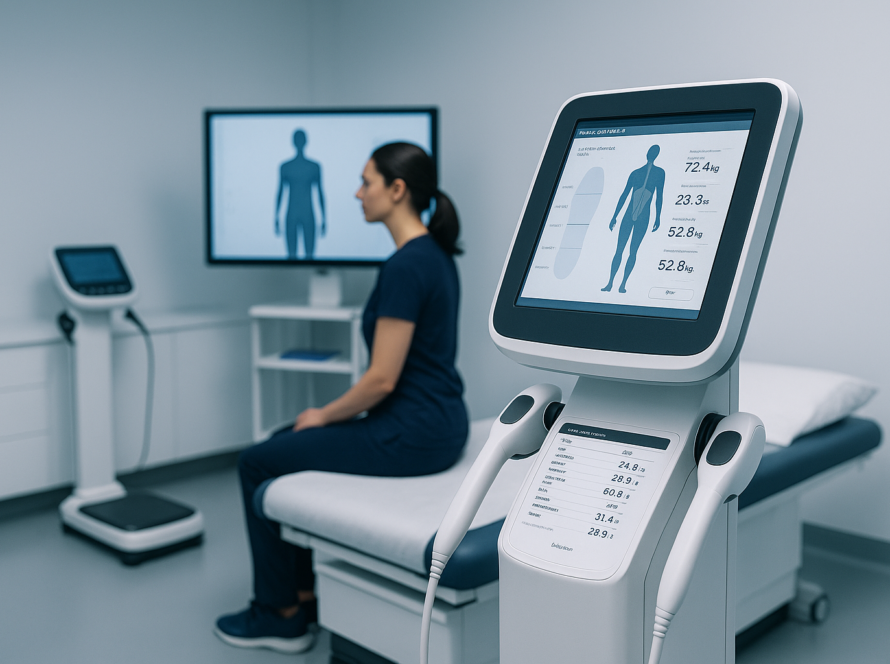
The Science Behind Medical Weight Loss: How It Can Help You Achieve Your Dream Body Composition
If your wellness goals include looking, feeling, and performing your best, focusing on body composition—not just scale weight—is a smarter path. Body composition describes how much of you is fat mass versus lean mass (muscle, bone, organs, and water). Medical weight loss blends biology, behavior, and personalized care to help reduce excess body fat while protecting lean tissue. At Forever Young IV Bar, we take an education-first approach so you can understand the “why” behind each strategy and confidently apply it to your daily routine.
Body Composition vs. Body Weight: The Metrics That Matter
Two people can weigh the same but have dramatically different health and performance profiles. That’s because:
- Fat mass largely influences waist circumference, metabolic risk, and inflammation.
- Lean mass (especially skeletal muscle) drives strength, mobility, glucose control, resting metabolic rate, and resilience during aging.
When programs target “weight loss” without protecting muscle, you may look smaller on the scale but feel weaker, recover poorly, and risk a slower metabolism. A well-designed medical weight loss plan aims for fat loss with lean mass preservation.
How Medical Weight Loss Works: Neurohormones, Metabolism, and Behavior
Appetite signaling and GLP‑1 physiology
Your appetite isn’t just willpower—it’s chemistry. Hormones like GLP‑1, leptin, ghrelin, and peptide YY help coordinate hunger, fullness, and food reward in your brain and gut. GLP‑1, in particular, slows gastric emptying, enhances satiety, and supports better glucose control. In a clinical program, GLP‑1–based therapies can make it easier to consistently eat fewer calories without constantly battling cravings.
Metabolic adaptation and the “hidden” calories of movement
As you lose fat, the body sometimes responds by burning fewer calories—a phenomenon known as metabolic adaptation. At the same time, many people unconsciously move less, reducing “NEAT” (non‑exercise activity thermogenesis) such as fidgeting, walking, and standing. The most successful body‑recomposition plans deliberately keep daily movement high and pair calorie reductions with muscle‑protective strategies, so your resting metabolism and vitality stay stronger.
Protecting Lean Mass While You Lose Fat
Prioritize protein and resistance training
Muscle is metabolically active tissue that you want to keep—especially during fat loss. Aim to include a meaningful serving of high‑quality protein at each meal and schedule two to four weekly resistance‑training sessions that target major muscle groups. Think progressive overload: gradually add reps, sets, or weight over time. Combine that with intentional daily movement (steps, light cycling, mobility) to maintain NEAT without overtaxing recovery.
Hydration, electrolytes, and recovery capacity
Even mild dehydration can amplify perceived effort, impair focus, and make workouts feel harder than they should. Adequate fluids and electrolytes support circulation, nutrient delivery, and muscle performance. If you’re training intensely, traveling, dealing with heat, or rebounding from illness, targeted rehydration can help you sustain consistency—the real driver of long‑term change.
Where IV Nutrition Fits in a Comprehensive Plan
IV therapy is not a magic bullet for fat loss, but it can be a smart adjunct that supports the behaviors and physiology required for body‑composition change. Consider these scenarios where an infusion or injection may complement your plan:
- When hydration is limiting performance: If you struggle to rehydrate after travel, heat exposure, or long training sessions, a focused fluid and electrolyte infusion such as Hydration IV Therapy can help you bounce back faster so you can stay consistent with workouts.
- When metabolism and detox pathways need support: During fat loss, your body mobilizes stored substrates and produces oxidative byproducts. A formulation designed to support energy production and antioxidant capacity, like Diet & Detox IV Therapy, may help you feel clearer and more energized as you improve nutrition and activity.
- When low B‑vitamin status drags down energy: If labs or symptoms suggest low B12, a quick intramuscular Vitamin B12 Injection can support red blood cell production and energy metabolism—useful when you’re dialing in sleep, steps, and strength training.
Used strategically, IV nutrition becomes a way to remove barriers—fatigue, dehydration, brain fog—so you can execute the fundamentals that transform body composition.
Modern Medications: How GLP‑1 Therapy Fits the Puzzle
For appropriate candidates under medical supervision, GLP‑1–based therapy can reduce appetite, improve blood sugar regulation, and help you sustain a calorie deficit while working on new habits. If weekly therapy is part of your plan, our clinical team offers a physician‑guided Semaglutide Injection option. Remember: medications support the process; they don’t replace training, protein, movement, sleep, and stress management that protect your lean mass.
Build an Evidence‑Based Game Plan
Use this practical, science‑informed framework to pursue fat loss while safeguarding muscle:
- Clarify your target: Instead of a goal weight, choose a body‑composition goal (e.g., “lose fat around the midsection while getting stronger in my squat and push‑ups”).
- Dial in nutrition: Center meals on protein, colorful produce, and minimally processed carbs and fats. Create a moderate calorie deficit without extreme restriction.
- Lift with intent: Two to four resistance sessions per week, plus daily steps. Track progress with a simple log and celebrate small strength wins.
- Protect recovery: Aim for 7–9 hours of sleep, get morning light exposure, and manage stress with breathwork, short walks, or stretching.
- Hydrate on purpose: Match fluids and electrolytes to activity level, heat, and sweat rate; consider targeted rehydration support when life gets demanding.
- Consider clinical tools when appropriate: If appetite or metabolic health is a barrier, speak with a licensed provider about options like a weekly GLP‑1 and how to pair it with resistance training and protein‑forward nutrition.
- Use structured accountability: Many clients benefit from a guided roadmap with coaching and check‑ins. Our medically supervised 12‑Week Weight Loss Program integrates lifestyle coaching and supportive therapies to help you build durable habits and preserve lean mass.
A simple “composition‑first” week
- Mon: Upper‑body strength (45 min) + evening walk; prioritize a protein‑rich dinner.
- Tue: Steps goal (e.g., 8–12k) + mobility work; hydrate consistently.
- Wed: Lower‑body strength + intervals (short and crisp); build a colorful, fiber‑rich plate.
- Thu: Recovery focus—sleep, light movement; if sluggish after travel or heat, consider Hydration IV Therapy.
- Fri: Full‑body strength; plan a protein‑forward meal out with friends.
- Sat: Outdoor activity you enjoy (hike, bike, paddle) to boost NEAT.
- Sun: Meal prep, reflection, and gentle mobility to set up the next week.
Safety, Side Effects, and Smart Monitoring
Medical weight loss should be individualized. Some people experience gastrointestinal symptoms with GLP‑1 therapy, and certain conditions or medications may change eligibility. Any IV therapy or injection should be guided by a qualified provider after appropriate screening. If you’re tracking progress, consider using consistent methods—tape measures, progress photos, strength logs, and periodic body‑composition assessments—to ensure fat loss is not coming at the expense of strength or overall well‑being.
Conclusion: Composition Changes Everything
Achieving your “dream body composition” is less about chasing a number and more about building a stronger, better‑fueled, well‑recovered body that carries less excess fat and more capability. Medical weight loss brings together modern physiology (like GLP‑1 therapy), behavior design, hydration and nutrient support, and strength training to make the journey realistic and sustainable. If you’d like guidance, structured coaching, and supportive therapies, explore our 12‑Week Weight Loss Program and adjuncts such as Semaglutide Injection, Diet & Detox IV Therapy, targeted Hydration IV Therapy, or a quick Vitamin B12 Injection—chosen thoughtfully to support the fundamentals that actually change your body.
Educational only; not medical advice. Always consult your licensed healthcare provider to determine the safest, most effective plan for your needs.