Introduction
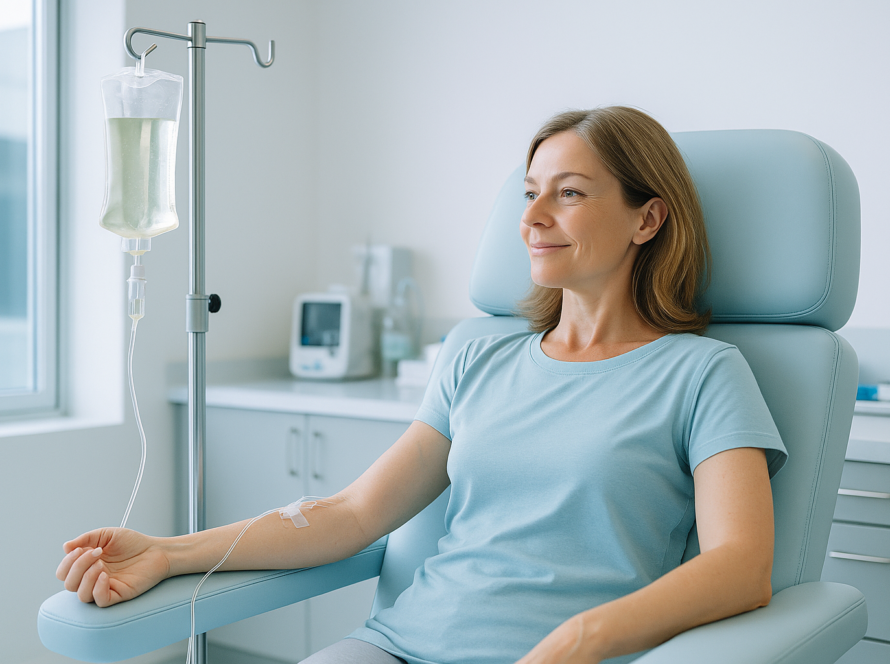
NAD+ IV therapy is a popular cellular-support treatment that many adults turn to for energy, mental clarity, and long-term wellness goals. Whether you’re trying an NAD+ infusion for the first time or fitting it into a regular wellness routine, smart preparation and recovery habits make a big difference in how you feel during and after the session. This article explains practical, clinician-friendly tips to optimize your NAD experience and overall recovery — combining lifestyle strategies with gentle IV-focused aftercare.
What NAD+ IV Does and what to expect
NAD+ (nicotinamide adenine dinucleotide) is a coenzyme involved in cellular energy, DNA repair, and metabolic signaling. IV infusions deliver NAD+ directly into the bloodstream so it reaches cells more rapidly than many oral supplements, which some people report as an immediate boost in focus and vitality. At the same time, clinical evidence for routine IV NAD+ as a guaranteed anti-aging or disease-prevention tool is still emerging, so realistic expectations and medical oversight are important. ([frontiersin.org](https://www.frontiersin.org/journals/aging/articles/10.3389/fragi.2026.1887175/abstract?utm_source=openai))
Pre-infusion checklist: prepare like a pro
Hydrate intentionally
Good hydration makes IV insertion easier and helps fluids distribute smoothly during the infusion. Start increasing your water intake the day before and the morning of your appointment, aiming for consistent, moderate sips rather than large amounts at once. If you plan a longer NAD session, consider a light saline or hydration drip option as a complement when needed — for example, a Hydration IV Therapy session can support fluid balance before or after NAD. ([homecare.med.umich.edu](https://homecare.med.umich.edu/Document/View/13518?utm_source=openai))
Eat a balanced, light meal
A small meal with protein and healthy fats two to three hours before your infusion steadies blood sugar and can reduce lightheadedness. Avoid heavy, greasy foods that may make you feel sluggish; instead choose options like yogurt with fruit, a small turkey sandwich, or a smoothie with protein. If you have a history of nausea with infusions, mention this to your clinician so they can offer anti-nausea strategies.
Limit stimulants and alcohol
Avoid caffeine and nicotine for a few hours before your appointment to help veins relax and reduce jitteriness. Alcohol should be avoided the day of and the day after an infusion — staying sober around the session helps your body rehydrate and recover more predictably. ([homecare.med.umich.edu](https://homecare.med.umich.edu/Document/View/13518?utm_source=openai))
Bring comfort items and communicate health history
Longer NAD sessions benefit from creature comforts: a water bottle, an electrolyte-rich snack, headphones, and layered clothing. Always tell the clinic about current medications, recent illnesses, or any history of allergic reactions to infusion components so staff can tailor monitoring and IV placement.
During the infusion: what helps the process
Move gently and relax
Simple movement of the arm and deep, steady breathing help clinicians find and maintain a stable IV. If you feel tingling, nausea, or sudden lightheadedness during infusion, inform staff immediately — minor discomfort is common, but pro teams will adjust flow rate and comfort measures quickly.
Flow rate and patience
NAD protocols vary in dose and duration. Slower infusion rates often reduce side effects and improve tolerance, so trust the medical team’s pacing even if the session takes longer than expected. Safety and steady delivery generally matter more than speed. ([frontiersin.org](https://www.frontiersin.org/journals/aging/articles/10.3389/fragi.2026.1887175/abstract?utm_source=openai))
Post-infusion recovery: practical, evidence-based habits
Keep hydrating and replace electrolytes
Continue sipping water for several hours after your infusion; pairing fluids with a modest electrolyte beverage or a mineral-rich snack (bananas, nuts, yogurt) supports cellular balance. For more targeted recovery, a follow-up Hydration IV Therapy or Normal Saline infusion can be useful if you feel dehydrated after a long session.
Prioritize sleep and gentle movement
Rest is where cellular repair happens. Follow your usual sleep routine and avoid intense exercise the same day if you feel fatigued. Gentle walking, light stretching, or restorative yoga can encourage circulation without overtaxing the body as it recalibrates after an infusion.
Supportive nutrition for cellular recovery
After a NAD infusion, focus on foods that support mitochondrial function and antioxidant defenses: lean protein, colorful vegetables, omega-3 fats, and foods rich in B vitamins. If oxidative support is a priority, antioxidant-focused therapies (like a glutathione injection) are sometimes offered alongside IV protocols to support detox pathways — discuss options with your provider if you’re considering added antioxidant support. ([pmc.ncbi.nlm.nih.gov](https://pmc.ncbi.nlm.nih.gov/articles/PMC13395945/?utm_source=openai))
Safety considerations and realistic benefits
While many clients report subjective improvements in energy and clarity after NAD+ infusions, rigorous clinical data on long-term benefits and optimal dosing remain limited. Be cautious of clinics promising dramatic anti-aging miracles; instead, seek treatments administered under medical supervision and combine infusions with lifestyle habits that sustain cellular health (hydration, nutrition, sleep, movement). Regulatory and safety discussions exist in the literature, so choosing providers who follow sterile compounding practices and transparent protocols matters for risk reduction. ([sciencedirect.com](https://www.sciencedirect.com/science/article/pii/S1568163726000498?utm_source=openai))
Practical follow-up: when to call your clinician
- Persistent or worsening headache, fever, redness, or swelling at the IV site.
- New or worsening shortness of breath, chest pain, or fainting.
- Any unexpected severe gastrointestinal symptoms or allergic reactions.
If any of these occur, contact your clinic or seek urgent care promptly. Routine mild tiredness, transient headache, or minor bruising are common and typically self-limited; your provider can offer guidance or a brief follow-up visit when needed. ([wyomingwc.com](https://www.wyomingwc.com/_files/ugd/87dbc4_a01d09db52f54cae9bc8b59a068d2a06.pdf?utm_source=openai))
Combining NAD with other recovery tools
NAD therapy is often integrated into broader recovery plans. For example, pairing NAD sessions with targeted IV blends like Recovery IV Therapy or Brain Health IV Therapy can address hydration, antioxidant needs, and cognitive support in a single plan — always after discussing goals with a clinician. Membership options and mobile services can also make consistent follow-up easier for busy adults seeking regular recovery support. Keep product choices intentional: use IVs and injections to fill clear gaps rather than as a primary lifestyle strategy.
Suggested in-clinic options that may fit into a NAD-focused recovery plan (ask your provider if appropriate):
- NAD+ IV Therapy
- Hydration IV Therapy
- Recovery IV Therapy
- Glutathione Injection
- Brain Health IV Therapy
Conclusion
NAD+ IV therapy can be a useful component of a modern wellness plan when delivered safely and paired with sensible lifestyle habits. Thoughtful preparation—hydration, light protein-rich meals, reduced stimulants—and careful post-infusion recovery—continued fluids, nutrient-dense food, rest, and gentle movement—help most people get more benefit and fewer side effects. Discuss your health goals and medical history with a licensed clinician to create a tailored plan that blends NAD with other supportive IV and lifestyle approaches.
Additional reliable resources and clinic-specific guidance are available from your provider if you want a personalized pre- and post-infusion protocol.