Introduction
Good sleep is the foundation of recovery, resilience, and long-term wellness. When nights are short or fragmented, cognitive performance, mood, immune function, and physical recovery all suffer. IV therapy is an emerging tool in the wellness toolkit that can support sleep recovery by delivering targeted nutrients, electrolytes, and amino acids directly into the bloodstream for rapid absorption. This article explains how IV therapy can support better sleep, which nutrients matter most, how to combine IV sessions with proven sleep strategies, and what to expect when using IVs for sleep recovery.
How IV Therapy Can Support Sleep Recovery
IV therapy doesn’t replace core sleep treatments (like Cognitive Behavioral Therapy for Insomnia) or good sleep hygiene, but it can be a useful adjunct when sleep has been disrupted by travel, acute stress, illness, or a period of high physical demand. By bypassing the digestive tract, IV drips deliver higher, faster concentrations of key vitamins, minerals, and amino acids that support nervous system regulation, reduce oxidative stress, and restore electrolyte balance—factors that influence the ability to fall asleep and stay asleep.
Who may benefit
- People recovering from acute sleep loss (jet lag, shift work, or a few bad nights)
- Those with high stress, racing mind, or physical recovery needs
- Individuals seeking short-term support while they address lifestyle, behavioral, or medical contributors to insomnia
Key Nutrients for Sleep Delivered by IV
Certain nutrients are commonly associated with improved sleep quality and can be included in IV formulations or complementary injections. Below are practical nutrients and how they’re thought to help.
Magnesium
Magnesium supports nervous-system calming, muscle relaxation, and healthy melatonin production. Studies suggest magnesium supplementation can improve subjective sleep quality and some objective measures in people with poor sleep. For rapid repletion—especially when diet, stress, or intense training has depleted minerals—an IV or an electrolyte-focused drip can help restore balance quickly.
Glycine and calming amino acids
Glycine, an amino acid, has been shown in small studies to improve sleep quality and reduce daytime fatigue when taken before bed. Other amino acids and nutrients that support neurotransmitter balance—such as L-glutamine, L-taurine, and certain B vitamins—can support relaxation and recovery when delivered intravenously or paired as a follow-up plan.
B vitamins and vitamin C
B vitamins play a role in nervous system function and energy metabolism. When stress or illness elevates nutrient demand, correcting deficiencies can reduce nighttime arousal and promote clearer sleep patterns. Vitamin C can help reduce oxidative stress and support immune recovery after periods of poor sleep.
Practical IV Options to Consider
When choosing a treatment, look for protocols that prioritize hydration, electrolyte balance, calming minerals, and amino acids. Subtle, clinic-guided selections that may support sleep recovery include:
- Mood Support IV Therapy — formulated to promote calm and nervous-system balance, useful after stress-driven sleep loss.
- Recovery IV Therapy — blends antioxidants and amino acids to help the body reset after illness or burnout, which often disrupts sleep.
- Hydration IV Therapy — restores fluids and electrolytes that can influence sleep quality and nighttime cramping.
- Original IV Therapy – Myers Cocktail — delivers B vitamins and magnesium that support nervous-system recovery and energy normalization.
- Brain Health IV Therapy — when cognitive fog and day/night rhythm disruption are concerns, targeted neuro-support can help during sleep recovery phases.
These options are intended as supportive care while you address the root causes of sleep disturbance with behavioral and medical strategies.
Combine IV Therapy with Evidence-Based Sleep Strategies
IV therapy is most effective when paired with proven sleep measures. Use a combined approach for real gains in sleep recovery:
- Optimize sleep hygiene: regular bedtime, a cool dark room, and limited screens 60–90 minutes before sleep.
- Phase light exposure: bright morning light to reset circadian rhythm and dim evening lighting to encourage melatonin release.
- Limit caffeine and heavy meals late in the day; avoid alcohol as a sleep aid because it fragments sleep later in the night.
- If stress or rumination drives insomnia, seek behavioral tools such as relaxation training, stimulus control, or CBT-I from a qualified clinician.
- Use IV sessions strategically—after travel, intense training, or a period of acute stress—to speed physiological recovery and give behavioral changes time to take effect.
What to Expect During and After an IV for Sleep Recovery
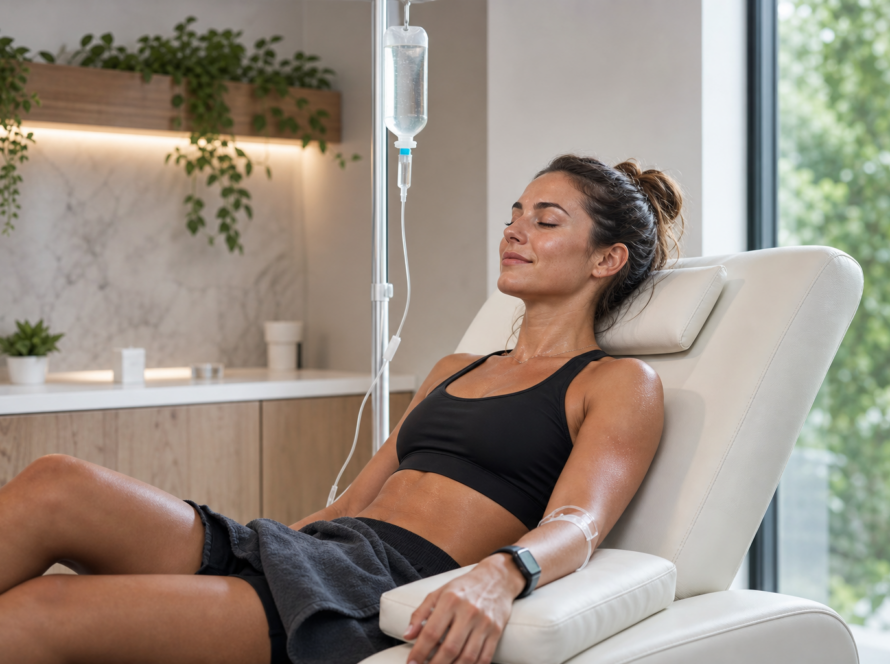
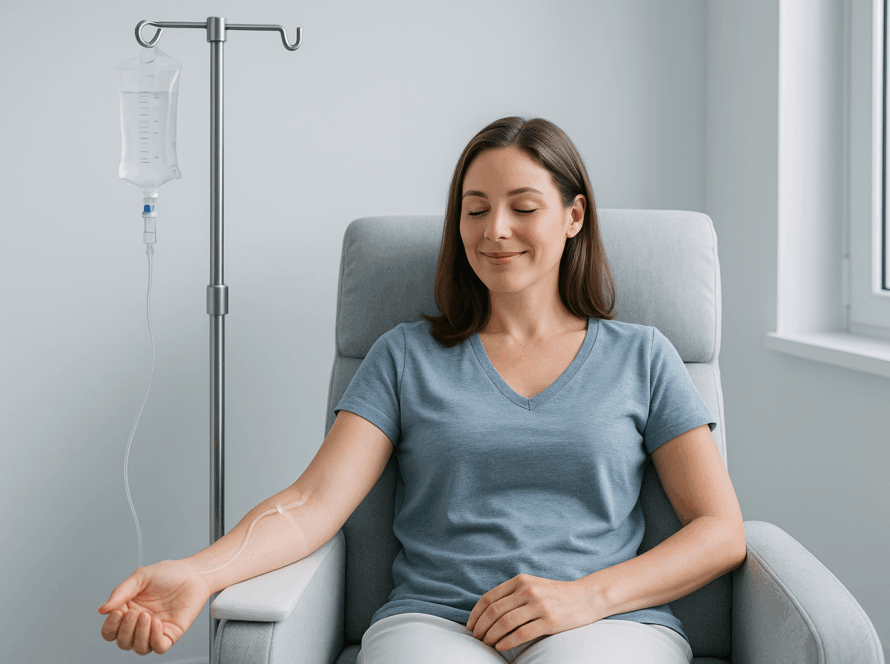
During an IV session you’ll be monitored by trained medical staff. Most drips take 30–60 minutes depending on volume. Immediate effects can include improved hydration, lowered muscle tension, and a calmer feeling within hours. For many people, improvements in sleep quality occur over several nights as the body integrates the nutrients and restores balance.
Safety and medical considerations
IV therapy is generally safe when performed by licensed professionals, but it’s not appropriate for everyone. Discuss medical history, medications, and any chronic conditions with the provider. If you have signs of a primary sleep disorder (loud snoring with pauses, excessive daytime sleepiness, or suspected sleep apnea), or if insomnia persists despite combined care, consult a sleep medicine specialist for testing and personalized treatment.
Choosing the Right Plan at Forever Young IV Bar
Start with an intake that reviews sleep history, recent stressors, medications, and current supplements. Staff can recommend an IV or a short series tailored to the issue—hydration after travel, a mood-focused drip during acute stress, or a recovery infusion to reset after illness. Complementary on-site options like targeted injections or follow-up sessions can be used as part of a broader sleep-recovery plan.
Conclusion
IV therapy can be a practical, short-term ally in sleep recovery—especially when nights of poor sleep are linked to travel, stress, illness, or heavy physical demand. By delivering calming minerals, amino acids, and vitamins directly to the bloodstream, IVs can speed physiological recovery while you implement long-term behavioral changes. Use IV therapy thoughtfully and in combination with proven sleep strategies to restore restorative sleep and support lasting wellness.