Introduction
Cryotherapy — from ice baths to whole-body cryostimulation — is a popular tool for athletes and busy adults who want faster muscle recovery, less inflammation, and improved wellness. Used correctly, cold exposure can speed perceived recovery, reduce soreness, and help you get back to training or daily life sooner. This guide breaks down practical cryotherapy protocols, safety tips, and how to combine cold therapy with hydration and targeted IV support for better results.
How Cryotherapy Helps Muscle Recovery
Cold therapy works by lowering tissue temperature, constricting blood vessels, reducing metabolic activity in damaged tissues, and blunting inflammatory signaling. That leads to temporary pain relief, reduced swelling, and a feeling of faster recovery. Different delivery methods (ice packs, cold-water immersion, whole-body cryotherapy) differ in intensity and timing, so matching the right protocol to your goals is key.
Key recovery effects
- Reduced muscle soreness and perceived fatigue
- Lowered local and systemic inflammation
- Analgesia (short-term pain relief) via reduced nerve conduction
- Improved circulation after rewarming, which can help nutrient delivery
Cryotherapy Options & Protocols
1. Cold-Water Immersion (Ice Baths)
Cold-water immersion (CWI) is a well-studied, effective recovery method. Evidence-based protocols for post-exercise recovery often recommend water temperatures in the low-teens Celsius and session lengths that balance beneficial cooling without overexposure.
- Typical protocol: water 10–15°C for about 10–15 minutes for many athletes.
- When to use: after endurance events, long matches, or intense competitions when you need quick relief and reduced soreness.
- Practical tip: sit up to your waist or chest, breathe slowly, and have a teammate or coach nearby if you feel dizzy.
2. Contrast Therapy (Hot/Cold Alternation)
Contrast therapy alternates short cold and warm exposures to stimulate circulation and reduce discomfort. Short cycles are commonly used in sports settings.
- Typical pattern: alternate ~1 minute cold with ~1 minute warm, for a total of up to 10–15 minutes.
- When to use: ideal when you want circulation stimulation and reduced stiffness without the deep cooling of a long ice bath.
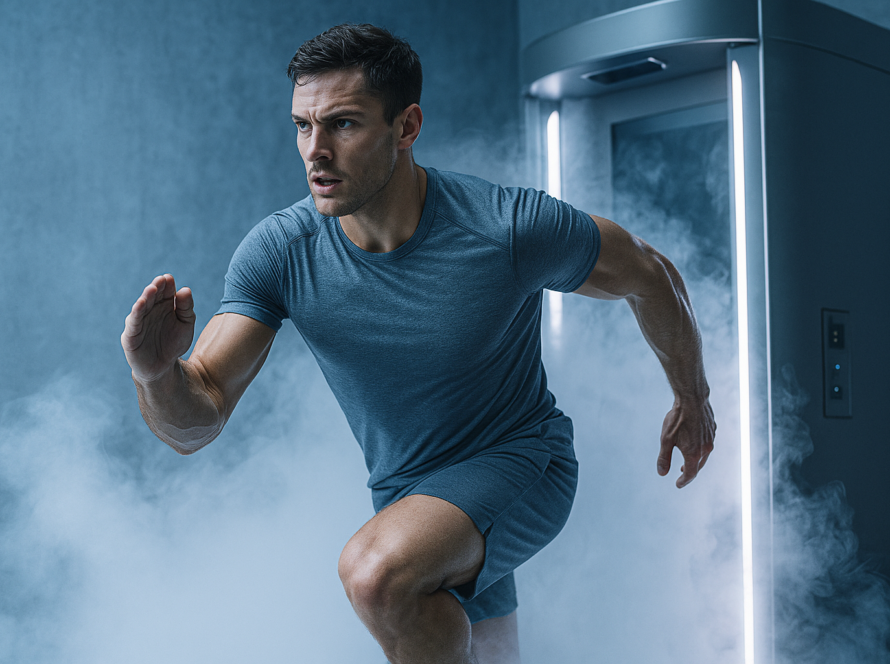
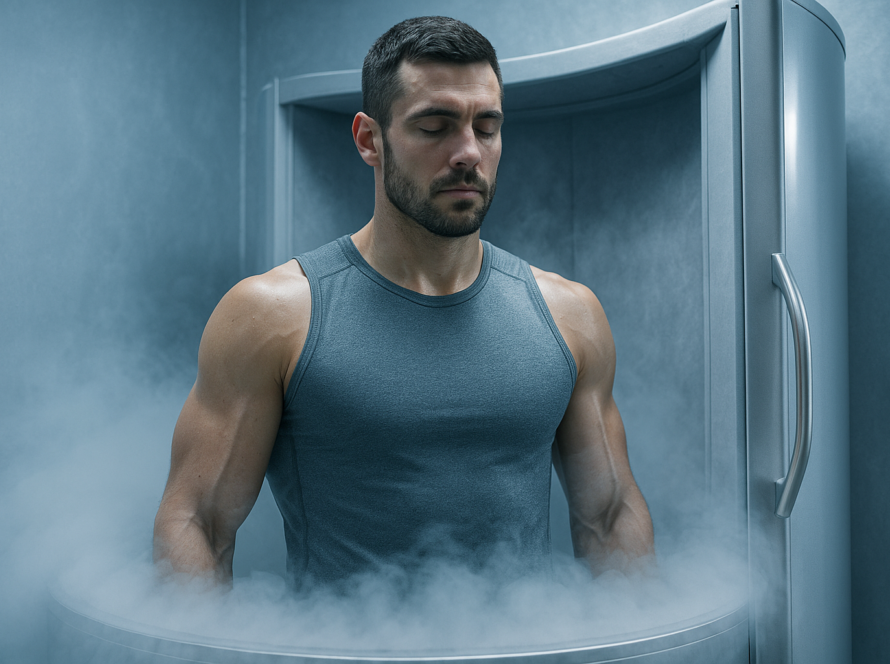
3. Whole-Body Cryotherapy (WBC)
WBC exposes the body to extremely cold, dry air for brief periods. Sessions are short and feel intense; they’re often used by athletes and people seeking rapid analgesia and an invigorating recovery effect.
- Typical protocol: brief exposures (around 2–4 minutes) in a chamber cooled to very low subzero temperatures. Sessions are short by design.
- When to use: for quick pre-event stimulation or post-event pain relief when you want a fast, low-time investment recovery session.
4. Local Cryotherapy and Ice Packs
For targeted injuries and acute strains, localized cooling (ice packs, cold-compress wraps) remains practical and effective.
- Typical protocol: apply for 10–20 minutes, allow skin to return to normal temperature, repeat as needed.
- When to use: immediate care for sprains, contusions, or localized inflammation.
Timing, Frequency & Training Considerations
How and when you use cold matters. Acute cold after competition can reduce soreness and speed return to performance, but regular post-strength-training cold exposure may blunt some long-term strength and hypertrophy adaptations. Consider these points when building a recovery plan:
- Use cold for acute recovery or competition windows when short-term performance is the priority.
- Avoid routine immediate whole-body cold after strength sessions if your primary goal is muscle growth; opt for active recovery instead.
- Limit WBC sessions to the recommended exposure times and allow recovery between treatments.
Safety, Contraindications & Best Practices
Cold therapies are generally safe when protocols are followed, but there are clear contraindications and precautions to reduce risk.
- Common contraindications: unmanaged cardiovascular disease, severe hypertension, cryoglobulinemia, severe cold intolerance or Raynaud’s, active infection, and certain circulatory disorders.
- Practical safety tips: monitor skin color and sensation, keep sessions within recommended durations, and avoid alcohol or heavy sedation before cold exposure.
- Start conservatively: if you’re new to cryotherapy, begin with shorter, milder exposures and increase progressively under supervision.
Pairing Cryotherapy with Hydration, Nutrition & IV Support
Cold therapy works best as one part of a rounded recovery plan. Hydration, nutrient replenishment, and targeted IV support can accelerate tissue repair and energy restoration after intense training or events.
- Replenish fluids and electrolytes after cold exposure and heavy sweating — consider Hydration IV Therapy when you need fast, reliable rehydration.
- For athletes chasing fast turnaround between sessions, the Athletic Performance IV Therapy can support endurance and reduce muscle fatigue.
- If soreness and inflammation are primary complaints, try pairing cryotherapy with a targeted recovery infusion like our Recovery IV Therapy or the Aches & Pains IV Therapy to supply antioxidants, amino acids, and electrolytes that support tissue repair.
- For circulation and muscle repair support, consider adjunct injections such as the Tri-Amino Acids Injection which may enhance blood flow and amino acid availability for recovery.
At-Home Tips and Practical Routine
- If you don’t have access to a cryochamber, an ice bath or cold shower after long events is a solid alternative.
- Always rewarm gradually and follow cold exposure with gentle mobility work to restore circulation.
- Pair cold sessions with protein-rich nutrition and sleep to maximize tissue repair and muscle recovery.
Conclusion
Cryotherapy — when matched to your goals, timed properly, and practiced safely — is a powerful tool for muscle recovery and overall wellness. Use ice baths or contrast therapy for practical, low-cost recovery; reserve whole-body cryotherapy for targeted, short sessions; and always combine cold exposure with hydration, nutrition, and active recovery strategies. If you’re regularly training or competing and want a tailored recovery plan, combining cryotherapy with IV support and targeted injections can speed return-to-play and help you feel your best faster.
If you’d like help selecting recovery therapies that fit your routine, our team can help you choose safe protocols and complementary IV treatments to optimize your recovery and wellness journey.
Sources
The recommendations in this guide are informed by recent reviews and consensus statements in sports medicine and cryotherapy research:
- Cold-water immersion protocol optimization and systematic analyses. ([pmc.ncbi.nlm.nih.gov](https://pmc.ncbi.nlm.nih.gov/articles/PMC13122509/?utm_source=openai))
- Meta-analysis identifying CWI temperatures and duration often used in recovery studies (recommended ranges). ([pmc.ncbi.nlm.nih.gov](https://pmc.ncbi.nlm.nih.gov/articles/PMC9213381/?utm_source=openai))
- Consensus reviews and standardized whole-body cryotherapy protocols. ([pmc.ncbi.nlm.nih.gov](https://pmc.ncbi.nlm.nih.gov/articles/5411446/?utm_source=openai))
- Safety and scoping review on whole-body cryotherapy risks and contraindications. ([pubmed.ncbi.nlm.nih.gov](https://pubmed.ncbi.nlm.nih.gov/37770960/?utm_source=openai))
- Clinical commentary on cold therapy’s role and possible trade-offs with long-term training adaptations. ([health.clevelandclinic.org](https://health.clevelandclinic.org/the-benefits-of-whole-body-cryotherapy-after-a-workout?utm_source=openai))