Introduction
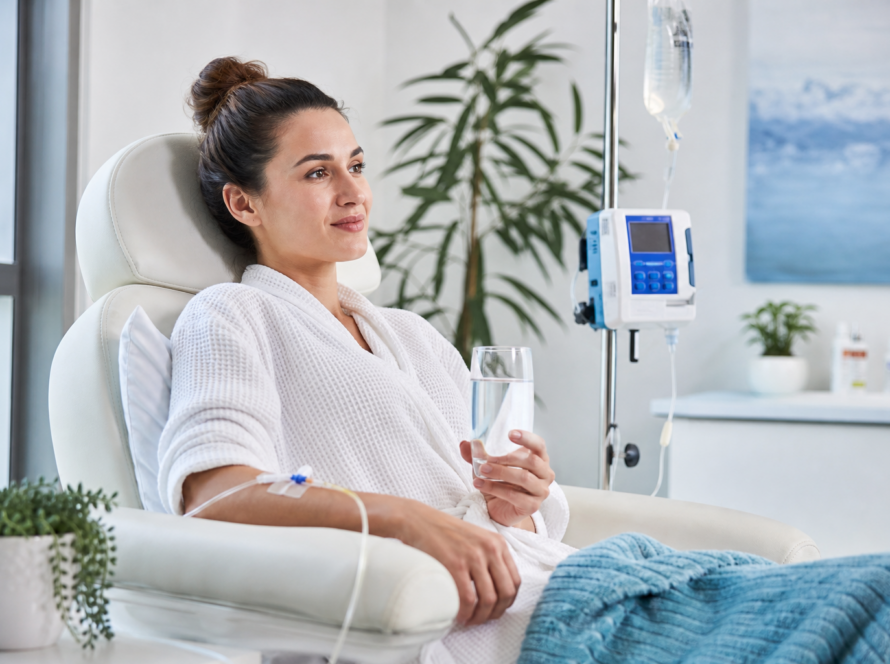
Good sleep and efficient recovery are the cornerstones of long-term wellness. When rest is fragmented or recovery is slow, performance, mood, and immune health all suffer. IV therapy can be a targeted part of a broader sleep and recovery strategy because it delivers nutrients and hydration directly into the bloodstream for rapid cellular support. This article explains practical IV protocols, nutrient pairings, timing considerations, and complementary lifestyle strategies you can use to optimize sleep quality and accelerate recovery.
How IV Therapy Supports Sleep and Recovery
IV infusions restore fluids and key micronutrients that are essential for nervous system regulation, muscle repair, and daytime energy balance. Proper hydration improves sleep by supporting thermoregulation and circulation; specific nutrients—like magnesium, certain amino acids, and targeted antioxidants—support neurotransmitter balance and muscle repair. While IV treatments are not a stand-alone cure for chronic sleep disorders, they can speed recovery from short-term stressors (jet lag, overtraining, illness) and help create the internal conditions that favor restorative sleep.
Key nutrients to consider
- Magnesium — promotes muscle relaxation and nervous-system balance.
- Amino acids (e.g., glutamine, taurine, arginine) — support muscle repair, cellular recovery, and calm brain chemistry.
- Antioxidants (e.g., vitamin C, glutathione) — reduce oxidative stress that can interfere with sleep and repair.
- B vitamins — essential for energy metabolism, but timing matters (some people find B-complex stimulating later in the day).
- NAD+ and cofactors — support cellular energy and circadian regulation at a cellular level when used under guidance.
Practical IV Protocols for Better Sleep and Faster Recovery
Below are practical, evidence-informed IV protocols commonly used to support sleep and recovery. These are general templates — your provider should tailor volumes and concentrations to your individual needs and medical history.
1. Evening Relax & Recover (short session)
- Goal: Promote muscle relaxation and pre-bed calm.
- Typical components: Normal saline or hydration base, magnesium, small doses of calcium and electrolytes, low-dose vitamin C.
- When to use: After an intense training day, long travel day, or a night when you need help falling asleep.
- Benefits: Rapid rehydration plus magnesium’s neuromuscular support can help reduce nighttime cramps and tension.
2. Repair & Reset (recovery drip)
- Goal: Support tissue repair, reduce inflammation, and accelerate post-illness recovery.
- Typical components: Hydration base, amino acids (glutamine, proline), glutathione, vitamin C, zinc, B-complex as needed.
- When to use: During recovery from illness, after heavy training blocks, or following a period of poor sleep.
- Benefits: Antioxidants and amino acids support cellular repair pathways and immune recovery.
3. Circadian Support & Cellular Energy (timed NAD+ protocols)
- Goal: Support cellular metabolism and circadian rhythm alignment when used as part of a broader sleep plan.
- Typical components: NAD+ infusion with hydration base and supportive electrolytes; timing tailored to daytime hours to avoid disrupting sleep.
- When to use: For people working to restore circadian rhythms after shift work, jet lag, or age-related decline in cellular NAD+.
- Benefits: NAD+ can influence cellular clocks; timing of administration and medical oversight are critical.
Timing, Sequencing, and Individualization
Protocol timing matters. In general, energizing nutrients and higher-dose B vitamins are best in the morning or early afternoon. Magnesium-rich or calming mixes work well in the evening. NAD+ and other metabolic boosters may be scheduled during daytime hours to support daytime energy and circadian entrainment. Work with a clinician to sequence infusions so they complement—rather than compete with—your sleep schedule.
Combining IVs with non-IV strategies
- Sleep hygiene: Maintain consistent wake/sleep times, limit late-night screen exposure, and create a cool, dark bedroom.
- Nutrition: Prioritize evening meals with complex carbs and modest protein; avoid heavy caffeine late in the day.
- Movement: Time vigorous exercise earlier in the day; use light stretching and breathwork in the evening to promote relaxation.
- Mind-body routines: Progressive muscle relaxation, guided breathing, or short meditations before bed enhance the effect of calming IV nutrients.
Safety, Testing, and When to Get Labs
IV therapy is most effective when informed by basic labs and a clinical review. A General Wellness Panel or targeted bloodwork helps identify deficiencies, electrolyte imbalances, and hormone issues that impair sleep and recovery. Always disclose medications, medical history, and allergies before treatment. If you have chronic sleep problems, severe insomnia, or suspected sleep apnea, see a sleep specialist — IV protocols are supportive but not a substitute for diagnostic care.
How Forever Young IV Bar Can Fit Into a Sleep & Recovery Plan
At Forever Young IV Bar, several protocols align with sleep and recovery goals. For rapid rehydration after a long travel day or heavy training, consider a Hydration IV Therapy session. For systemic repair and antioxidant support during recovery, the Recovery IV Therapy offers amino acids and glutathione. If mood and nervous-system balance are interfering with rest, the Mood Support IV Therapy can be scheduled as part of a calming evening routine. For targeted cellular energy and circadian support, NAD+ IV Therapy may be considered under clinical supervision. Links for reference (not exhaustive):
Practical Takeaways
- Match nutrient choice and infusion timing to your goals: calming minerals at night, metabolic support during the day.
- Pair IV therapy with solid sleep hygiene, consistent movement, and balanced nutrition for the best results.
- When in doubt, start with hydration plus magnesium or an antioxidant-rich recovery drip and track how your sleep responds.
- Use lab testing to personalize protocols and ensure safety.
Conclusion
Optimizing sleep and recovery is a multi-layered process. IV therapy can accelerate the restoration of fluids and nutrients that support relaxation, muscle repair, and circadian health — especially when combined with good sleep habits and individualized lab guidance. Talk with a qualified clinician at Forever Young IV Bar to design a safe, timed protocol that complements your lifestyle and helps you wake up feeling restored and ready.
Sources & Accuracy Notes
The clinical and trend information in this article was informed by recent reviews and trials on magnesium and sleep, research on NAD+ and circadian regulation, and studies on amino acids and recovery. For accuracy verification, key supporting resources used during research are listed below.
- Magnesium randomized trial and reviews supporting sleep-related benefits. ([pubmed.ncbi.nlm.nih.gov](https://pubmed.ncbi.nlm.nih.gov/40918053/?utm_source=openai))
- Systematic reviews on micronutrients and sleep patterns, including B vitamins. ([pmc.ncbi.nlm.nih.gov](https://pmc.ncbi.nlm.nih.gov/articles/PMC5675071/?utm_source=openai))
- Research and reviews on NAD+ regulation of circadian rhythms and cellular timing. ([pmc.ncbi.nlm.nih.gov](https://pmc.ncbi.nlm.nih.gov/articles/PMC9495723/?utm_source=openai))
- Sports nutrition literature on amino acids such as glutamine and taurine for recovery. ([jissn.biomedcentral.com](https://jissn.biomedcentral.com/counter/pdf/10.1186/s12970-018-0256-5.pdf?utm_source=openai))
Note: This article is for educational purposes and does not replace individualized medical advice. Always consult your healthcare provider before starting IV therapy or making significant changes to your sleep or recovery plan.