Introduction
IV vitamin drips and booster shots are increasingly used as part of proactive wellness routines to support hydration, immunity, energy, and recovery. Proper preparation helps your body get the most benefit from an infusion session, reduces the chance of side effects, and makes the experience smoother and more comfortable. This guide focuses on practical, clinician-friendly steps you can take before arriving at an IV bar — plus gentle lifestyle strategies that support long-term wellness alongside IV therapy.
Understand Your Goals and Talk With a Provider
Before booking any infusion, clarify what you want to achieve (hydration, immune support, energy, recovery, or anti-aging) and discuss this with a licensed provider. IV protocols vary by ingredients and dose; a brief intake with a clinician ensures safe ingredient choices and screening for contraindications such as pregnancy, kidney disease, or certain medications. For general immune or recovery needs, treatments such as the Original IV Therapy – Myers Cocktail and Hydration IV Therapy are commonly used options when appropriate for a client’s health profile.
Simple Nutritional and Hydration Steps Before Your Visit
Optimal hydration and balanced blood sugar make infusions more comfortable and reduce dizziness or nausea:
- Drink fluids in the 12–24 hours before your appointment — water is best. Avoid heavy alcohol the day before.
- Eat a light, balanced meal 1–3 hours before your infusion unless advised otherwise by your provider. Include some protein and carbohydrates to stabilize blood sugar.
- If you’re prone to fainting or lightheadedness, include a salty snack or electrolyte beverage to support blood pressure and sodium balance.
Medication Review and Health Disclosure
Bring a list of current medications, supplements, and any recent medical diagnoses. Some medicines (anticoagulants, certain cardiac drugs, strong diuretics) or health conditions may require adjustments or extra monitoring. Always disclose allergies, history of adverse reactions to infusions, and if you are pregnant or breastfeeding.
Comfort and Logistics: What to Bring
Setting up for comfort makes the session more pleasant and helps you relax:
- Wear a short-sleeved or loose-sleeved top so the nurse can access your arm easily.
- Bring a photo ID, any required paperwork, and your medication list.
- Pack a water bottle, light snack, phone charger or headphones, and a sweater or layer for fluctuating room temperature.
- If you prefer privacy or mobility, ask about mobile service options so you can receive treatment at home or work.
Timing: When to Book Your Drip or Booster
Schedule infusions with recovery and activities in mind. If you have a busy day or heavy exercise planned, consider booking for a time when you can rest briefly afterward. For energy or performance-focused sessions (for example, formulations similar to the Energy IV Therapy), avoid packing your day with intense commitments immediately after — allow 30–60 minutes to see how you feel.
Advanced Considerations: Labs, Chronic Conditions, and Specialty Treatments
For repeat or advanced protocols (such as NAD+ infusions), providers may recommend baseline labs or medical clearance to confirm kidney and liver function and electrolyte status. If you’re exploring targeted therapies like NAD+ IV Therapy or high-dose antioxidants, have an open conversation about potential benefits, realistic expectations, side effects, and the evidence base — and ask whether monitoring or staged dosing is recommended.
Mind-Body Prep: Sleep, Stress, and Breathwork
Wellness extends beyond nutrients. A good night’s sleep and a calm pre-visit routine reduce stress hormones that can interfere with circulation and recovery. Simple steps that support a better infusion experience include:
- Prioritize 7–9 hours of sleep the night before an infusion.
- Use breathwork, meditation, or progressive muscle relaxation to reduce anxiety if needles or infusions make you nervous.
- Plan low-intensity activity the day of your treatment; avoid vigorous exercise immediately before coming in.
What to Expect During and After
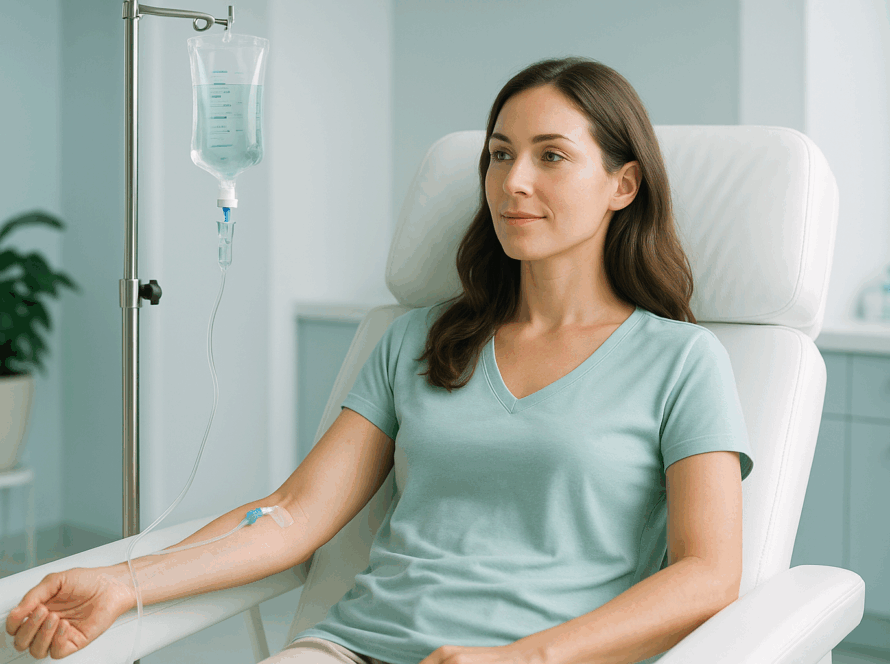
Infusions are typically administered while you sit or recline. A licensed clinician will insert an IV and monitor you for infusion reactions. Minor, transient sensations such as a metallic taste, warmth, or mild flushing can occur depending on ingredients (vitamin C, magnesium, or certain amino acids). After treatment, continue gentle hydration, eat normally, and watch for any unexpected symptoms. If you experience severe or persistent symptoms (shortness of breath, chest pain, high fever, or significant swelling at the IV site), seek immediate medical attention.
Subtle Booster Support
Booster shots are a quick complement to IV sessions for targeted support; for example, a Vitamin B12 Injection can be an efficient add-on for energy support. Work with your provider to build a balanced schedule of boosters and drips that aligns with your health goals and budget.
Conclusion
Preparing well for IV vitamin drips and boosters is about more than one good practice — it’s a combination of hydration, nutrition, honest medical disclosure, comfort planning, and modest lifestyle adjustments. Thoughtful prep helps you get faster, safer results and supports lasting wellness gains. Use your appointment as an opportunity to ask your clinician specific questions about the formula chosen for you and any follow-up recommendations, and pair infusions with foundational habits like sleep, balanced nutrition, and stress management for best results.