Introduction
Quality sleep and efficient recovery are the foundation of long-term wellness. Modern stress, travel, late-night work, and intense training can all disrupt restorative rest and increase recovery time. IV therapy offers a practical, clinic-based approach to deliver hydration and key micronutrients directly into the bloodstream — supporting sleep, reducing downtime after exertion, and helping the body reset more quickly. This article explains how IV therapy can fit into a balanced wellness plan, which nutrients matter most, and safe, evidence-informed ways to use infusions to support sleep and recovery.
How IV Therapy Supports Sleep and Recovery
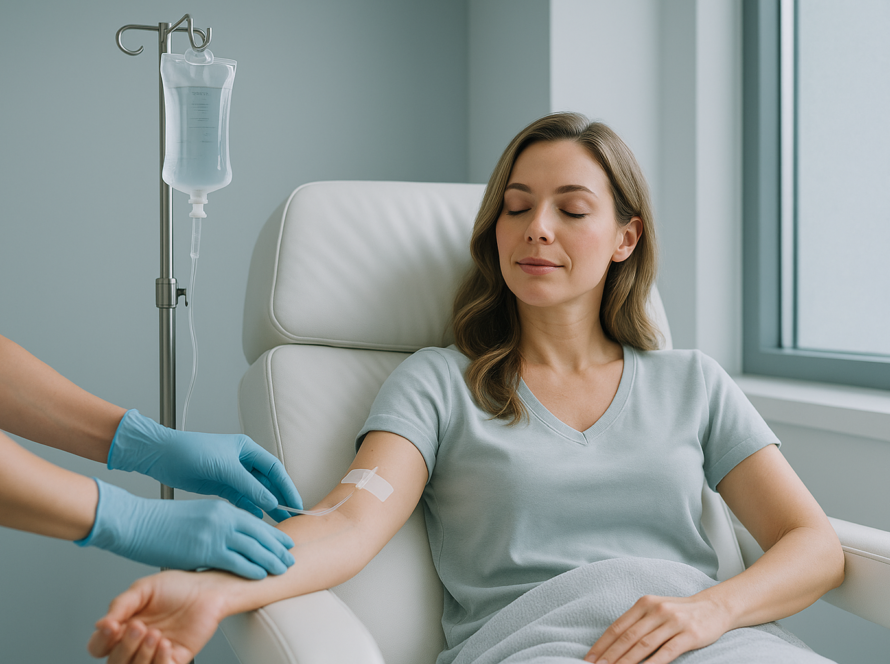
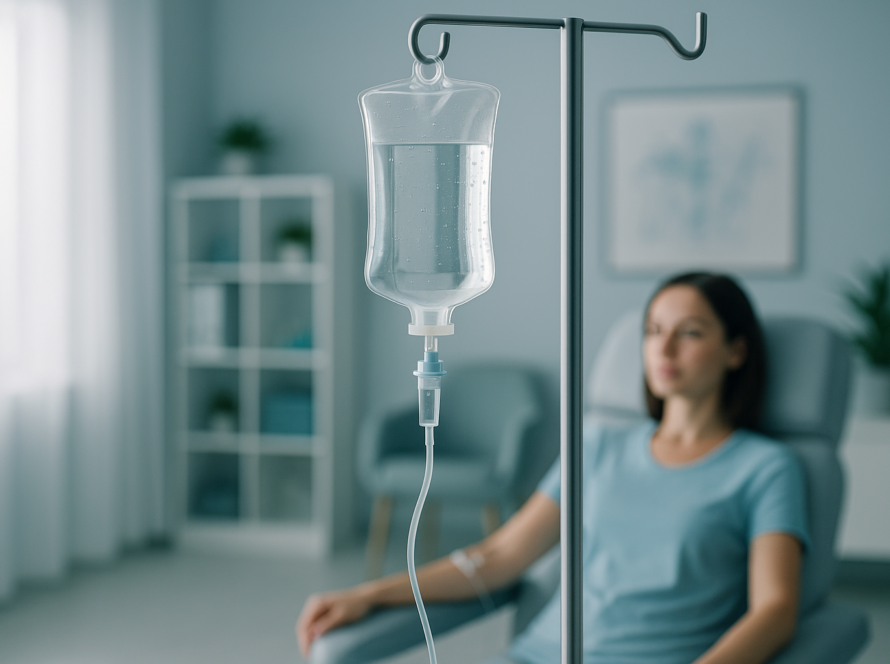
IV therapy bypasses the digestive tract to deliver fluids, electrolytes, vitamins, and amino acids directly into circulation. That direct delivery can produce faster, more reliable increases in blood levels of target nutrients compared with oral supplements, which must pass through the gut and liver before reaching tissues. For people with limited oral absorption, recent illness, or high physiological need (intense training, shift work, or jet lag), an IV infusion can be a practical option to rebalance electrolytes, reduce inflammation, and supply cofactors the nervous system needs to relax and repair.
Key benefits for sleep and recovery
- Rapid rehydration to restore cellular function and reduce nighttime cramps or restless legs.
- Delivery of magnesium, B vitamins, and amino acids that support nervous system calm and neurotransmitter balance.
- Antioxidant support (e.g., glutathione and vitamin C) to reduce oxidative stress and support tissue repair after intense exercise or illness.
- Targeted protocols that combine hydration with nutrients known to influence sleep onset, sleep depth, and daytime recovery.
Which nutrients matter most for better sleep?
Not every infusion is created equal when it comes to sleep. The following nutrients frequently appear in sleep- and recovery-focused protocols and have biological roles linked to rest, repair, and circadian regulation:
Magnesium
Magnesium plays a role in GABAergic signaling and muscle relaxation, and low magnesium status is associated with poorer sleep quality in some studies. Supplementation can help people who are deficient or have restless legs and nighttime muscle tension. Clinic-based IV magnesium can be considered when rapid repletion is needed or when oral forms haven’t helped.
B vitamins and amino acids
B vitamins help fuel cellular energy pathways and support neurotransmitter synthesis; amino acids such as L‑glutamine and L‑arginine assist in repair and circulation. Together they can reduce brain fog, support daytime energy balance, and indirectly improve night-time sleep when combined with proper sleep hygiene.
Antioxidants (Vitamin C, Glutathione)
Antioxidants reduce oxidative stress after intense exercise or illness and support cellular recovery. By addressing inflammation and cellular damage, antioxidant support can improve how restorative sleep feels and shorten recovery windows.
Practical ways to combine IV therapy with sleep hygiene
IV therapy is a tool, not a stand-alone cure. To maximize benefits for sleep and recovery, combine infusions with proven sleep habits and lifestyle measures:
- Keep a consistent sleep-wake schedule and expose yourself to daytime light to strengthen circadian timing.
- Limit caffeine late in the day and reduce heavy evening meals that interfere with digestion and sleep onset.
- Prioritize nightly wind-down routines — low light, screen curfews, breathing, or gentle stretching.
- Use IV therapy strategically: schedule rehydration or nutrient-focused infusions on days you anticipate physical stress, travel, or disrupted sleep rather than immediately before bedtime to avoid transient stimulation.
- Monitor and address nutrient deficiencies with blood testing and clinician guidance when sleep problems persist.
Which IV protocols are commonly used for sleep and recovery?
Many clinics combine hydration with targeted micronutrients. Examples of approaches that align with sleep and recovery goals include:
- Balanced hydration plus electrolytes to restore fluid balance after exercise, travel, or heat exposure.
- Infusions containing magnesium, B vitamins, and calming cofactors to support nervous system recovery.
- Restorative protocols that add antioxidants and amino acids to help tissue repair and reduce oxidative stress after heavy training or illness.
At Forever Young IV Bar, options such as Hydration IV Therapy and the Recovery IV Therapy are designed to support rehydration and cellular repair — two cornerstones of improved sleep and faster recovery. For mood and nervous system support that can improve relaxation before rest, consider the Mood Support IV Therapy. The time-tested nutrient blend in the Original IV Therapy – Myers Cocktail is often used for general resilience and recovery. For clients seeking cellular-level recovery and longevity-focused support, NAD+ IV Therapy is an advanced option offered under clinical supervision.
Safety, timing, and clinical considerations
IV treatments should always be performed by licensed medical staff after a brief medical history and screening. Discuss current medications, kidney function, and cardiovascular issues with your provider — some minerals and high-dose vitamins can be contraindicated for certain conditions. If sleep problems are chronic, seek evaluation for sleep apnea, restless legs syndrome, mood disorders, or other medical causes before relying solely on nutrient therapy.
Conclusion
IV therapy can be a practical component of a sleep and recovery plan when used thoughtfully alongside lifestyle change and medical oversight. By restoring hydration, replenishing depleted micronutrients, and supplying antioxidants directly to the bloodstream, targeted infusions help many people reduce downtime, improve sleep quality, and recover faster from physical stressors. If you’re curious about how an infusion might fit your wellness goals, consult a clinician for testing and tailored recommendations — and consider an evidence-informed protocol that complements strong sleep hygiene and nutrition habits.
Sources and further reading
- Why IV vitamin therapy delivers nutrients quickly and considerations for use. ([health.clevelandclinic.org](https://health.clevelandclinic.org/iv-vitamin-therapy?utm_source=openai))
- Systematic reviews and clinical evidence on magnesium and sleep quality. ([pubmed.ncbi.nlm.nih.gov](https://pubmed.ncbi.nlm.nih.gov/35184264/?utm_source=openai))
- Recent reviews on NAD+ and cellular recovery, with emerging data on sleep-related effects. ([pubmed.ncbi.nlm.nih.gov](https://pubmed.ncbi.nlm.nih.gov/37068054/?utm_source=openai))
- Open-access reviews summarizing the science and safety considerations for IV micronutrient therapy. ([cureus.com](https://www.cureus.com/articles/370776-to-iv-or-not-to-iv-the-science-behind-intravenous-vitamin-therapy.pdf?utm_source=openai))