Introduction
IV anti‑aging is an intersection of cellular science and practical wellness: targeted infusions deliver nutrients, antioxidants, and metabolic cofactors directly to the bloodstream so cells can use them immediately. For people seeking evidence‑informed approaches to skin health, energy, and long‑term vitality, IV protocols can be a useful complement to sleep, nutrition, movement, and proven medical care. This guide explains how to prepare for an anti‑aging IV session, what to expect during treatment, essential aftercare, and how to set realistic expectations for results.
What “IV Anti‑Aging” Really Means
Anti‑aging IV therapy refers to intravenous infusions designed to support cellular repair, antioxidant defense, and metabolic resilience. Common ingredients used in anti‑aging protocols include NAD+ (a coenzyme involved in cellular energy and DNA repair), glutathione (a master antioxidant), vitamin C, amino acids, and targeted B vitamins. These nutrients aim to reduce oxidative stress, support mitochondrial function, and promote healthy skin, hair, and cognitive function.
Preparing for Your IV Anti‑Aging Session
1. Medical screening and baseline health
Before booking any infusion, get a quick health screen and share medications, recent medical history, and allergies with the medical team. IV therapies are medical procedures and should be administered by licensed providers who can screen for contraindications (for example, certain kidney conditions, uncontrolled heart disease, or allergies to ingredients).
2. Hydration and nutrition
Start the day well hydrated and avoid heavy meals right before your infusion. A balanced meal with protein, healthy fats, and complex carbohydrates a few hours prior helps stabilize blood sugar and can make the session more comfortable.
3. Realistic goals and planning
Set clear, measurable goals: improved skin radiance, reduced brain fog, quicker post‑workout recovery, or better sleep. Some treatments—like NAD+ IV—are often delivered as a short series to build an effect; others, such as antioxidant infusions, may show benefits sooner. Discuss frequency and timeline with your provider so expectations are aligned.
What to Expect During the Infusion
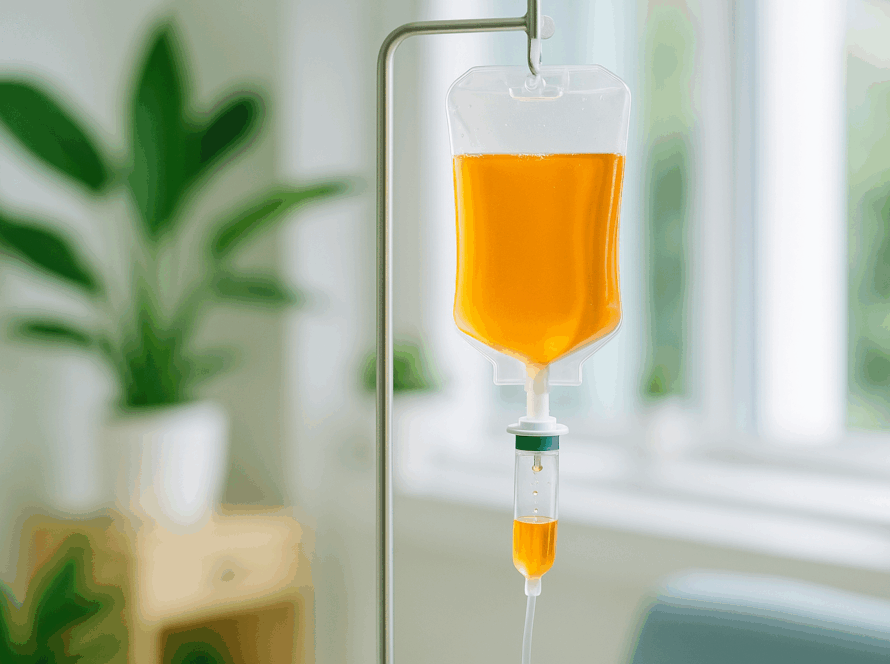
IV anti‑aging sessions are typically comfortable and take between 30 minutes and a few hours depending on the protocol. You’ll be seated in a recliner while a licensed nurse places a peripheral IV. During the drip you can rest, read, or use your phone. Mild sensations such as warmth, taste changes, or temporary lightheadedness can occur; the clinical team monitors vitals and adjusts infusion rates as needed.
Aftercare: How to Maximize Results and Safety
Immediate post‑infusion care
- Drink water and electrolytes to extend hydration benefits.
- Avoid alcohol and heavy exertion for 12–24 hours to reduce strain on metabolism and circulation.
- Monitor the IV site for redness, swelling, or pain. Contact your provider if you notice signs of infection or prolonged bruising.
Skin and topical care
IV anti‑aging can complement topical regimens—use sunscreen daily, maintain a consistent retinoid or peptide routine if tolerated, and prioritize gentle cleansing. Antioxidant infusions support repair from the inside; topical care protects skin from new environmental damage.
Nutritional and lifestyle supports
To extend the benefits of an infusion, pair treatments with whole‑food nutrition rich in vitamin C, amino acids, and healthy fats. Prioritize restorative sleep, regular resistance training, and stress management—these foundational habits help mitochondria and collagen pathways function optimally.
Real Results: What Patients Typically Experience
Outcomes vary. Many clients report improved hydration, a brighter complexion, reduced brain fog, or faster post‑exercise recovery within days. Deeper cellular benefits—improved mitochondrial resilience or measurable changes in biomarkers—usually require repeated sessions and parallel lifestyle changes. Some infusions (for example, protocols designed to support skin health and collagen) can make subtle but meaningful improvements in skin texture and glow when combined with consistent skincare and nutrition.
It’s important to know which results are well supported and which remain investigational. While certain molecules show biological plausibility for anti‑aging effects, high‑quality clinical trials are still emerging for some IV applications. Talk with your clinician about realistic timelines and whether periodic maintenance treatments are appropriate for your goals.
Integrating IV Anti‑Aging Into Holistic Wellness
IV therapy is most effective when it complements a holistic plan. Consider pairing an anti‑aging infusion with these evidence‑based supports:
- Regular nutritional assessments and targeted supplementation where deficiencies exist.
- Bloodwork and baseline labs to personalize protocols and monitor safety.
- Movement that combines strength work and aerobic conditioning to support circulation and collagen production.
- Mind‑body practices to reduce chronic cortisol exposure and protect skin and cellular health.
Popular Anti‑Aging Protocols and a Few Treatment Options
Some IV options commonly chosen for anti‑aging and cellular support include NAD+ infusions for cellular energy and repair, antioxidant mixes with glutathione and vitamin C for oxidative stress reduction, and tailored cosmetic drips to support skin health. If you’re curious about specific offerings, consider these curated protocols as conversation starters with your provider:
- NAD+ IV Therapy — cellular energy and mitochondrial support.
- Cosmetic IV Therapy — nutrients geared toward collagen support and skin radiance.
- Glutathione Injection — antioxidant and detox support.
- High Dose Vitamin C IV Therapy — potent antioxidant support.
- Hydration IV Therapy — foundational rehydration to optimize cellular function.
Safety, Frequency, and Cost Considerations
IV anti‑aging is generally safe when performed by a licensed medical team using sterile technique and proper screening. Potential side effects depend on the ingredients: transient nausea, changes in blood pressure, or rare allergic reactions can occur. Discuss baseline labs and medical history to minimize risk. Frequency depends on the protocol and goals—some people begin with a short series and transition to monthly or quarterly maintenance.
Conclusion
IV anti‑aging can be a valuable tool in a comprehensive wellness strategy when chosen thoughtfully and paired with good sleep, nutrition, movement, and medical oversight. Prepare by screening and hydrating, expect a comfortable clinic experience, and follow simple aftercare steps to extend benefits. Most importantly, set realistic expectations: the best outcomes come from combining targeted IV therapy with daily habits that support cellular repair and long‑term vitality.
If you’d like personalized guidance on which protocol fits your skin, energy, or longevity goals, talk with a licensed clinician who can recommend treatments and a timeline tailored to your needs.