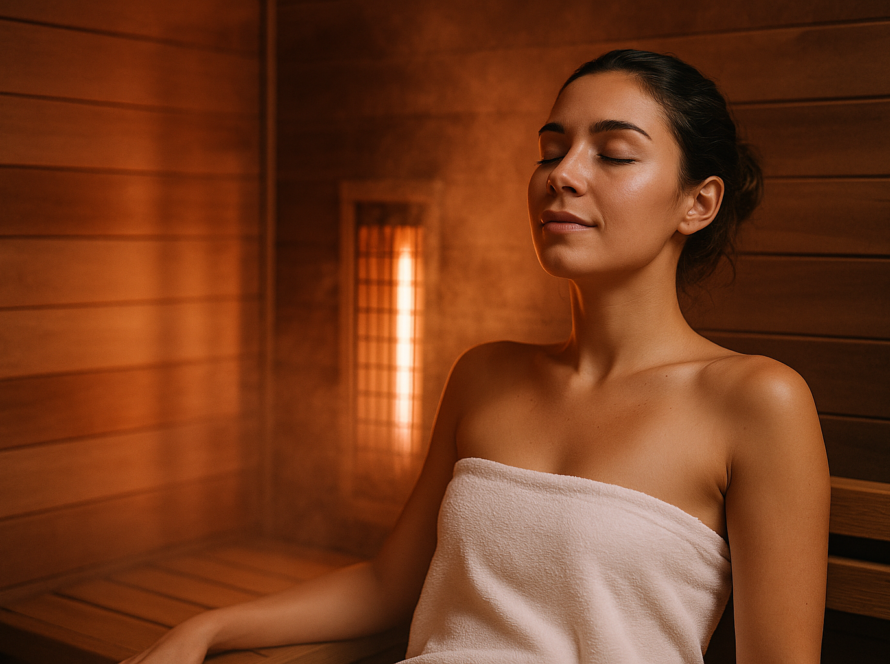
Great sleep isn’t an accident — it’s a practice. While most of us know the basics (dim the lights, put down the phone, don’t drink coffee at 8 p.m.), true, restorative rest comes from aligning your evening routine with how your body is designed to wind down. In this guide, we’ll unpack the physiology of sleep hygiene and show how spa-inspired practices — including strategic hydration and targeted nutrient support — can calm your nervous system, prepare your body for bed, and help you wake feeling genuinely refreshed.
Why Sleep Hygiene Works: The Physiology Behind Wind‑Down
Sleep is the ultimate “switch” from drive to recovery. As evening approaches, your body naturally lowers core temperature, produces melatonin in response to darkness, and shifts the nervous system into a parasympathetic (rest‑and‑digest) state. When your habits support these changes — by reducing light exposure, downshifting stress, and regulating temperature and hydration — you make it easier to fall asleep and stay asleep. When they don’t, your brain gets mixed signals, and the result is tossing, turning, and groggy mornings.
The Sleep‑Prep Stack: A Step‑By‑Step Evening Blueprint
90 minutes before bed: Set the scene
- Dim lighting and go screen‑light or use warm tones on devices. Light in the blue spectrum is alerting; warm, low light cues melatonin and a calmer mood.
- Drop the temperature. A cooler bedroom (typically in the mid‑60s°F) supports that natural core‑temperature decline your body needs to drift off.
- Front‑load hydration earlier in the evening, then taper. Waking multiple times to use the bathroom fragments sleep — aim to meet fluid needs during the day and sip conservatively after dinner.
60 minutes before bed: Hydrotherapy for faster sleep onset
Consider a warm shower, bath, or even a 10‑minute foot soak 1–2 hours before bedtime. The gentle rise in skin temperature followed by a gradual cool‑down enhances heat loss from your core — a natural signal that it’s time to sleep. Keep the water comfortably warm, not hot, and finish with light stretching or foam rolling to release muscular tension.
20 minutes before bed: Downshift the nervous system
- Breathing practice: Try 4‑6 breaths per minute with a slightly longer exhale (for example, inhale 4 seconds, exhale 6 seconds) for 5–10 minutes. Slow breathing increases vagal tone and nudges the body toward relaxation.
- Mental declutter: Capture lingering to‑dos on paper and choose one small win for tomorrow. Pre‑deciding reduces middle‑of‑the‑night rumination.
- Texture cues: Swap to soft loungewear and weightier bedding if you like gentle, grounding pressure; tactile comfort is a powerful sleep association.
Hydration, Minerals, and Sleep: Getting the Timing Right
Hydration status influences heart rate, temperature regulation, and muscle comfort at night. Under‑hydration can contribute to headaches or leg cramps; over‑hydration late in the evening can lead to nocturnal wakeups. The solution is rhythm, not just volume: meet most of your fluid and electrolyte needs during the day and taper after dinner. If you struggle to “catch up” due to travel, high heat, heavy training, or illness, a focused rehydration session earlier in the afternoon can be a strategic reset. Options like Hydration IV Therapy provide fluids and electrolytes directly to the bloodstream, which many clients schedule earlier in the day to support evening calm while minimizing late‑night bathroom trips.
Nutrients That Support a Calmer Night
Neurotransmitters involved in mood and relaxation depend on B‑vitamins, minerals, and amino acids. While a balanced diet remains foundational, modern stress, travel, and training can increase demands. Spa‑level therapies that deliver these nutrients directly may complement good sleep hygiene, especially during high‑stress seasons.
- Magnesium and B‑complex: Magnesium helps relax muscles and supports the nervous system; B‑vitamins participate in energy and neurotransmitter pathways that influence sleep architecture and next‑day clarity.
- Amino acids: Building blocks like taurine and glutamine play roles in calming neurotransmission and cellular recovery.
For those seeking a non‑sedating way to support relaxation and emotional balance in the evening, formulations that include magnesium and mood‑supportive nutrients — such as Mood Support IV Therapy — can be one part of a holistic approach alongside breathwork, light hygiene, and consistent bed/wake times.
Temperature, Tension, and the “Body Quieting” Effect
Deep sleep correlates with a drop in core body temperature and reduced muscle tone. That’s why many spa rituals feel sleep‑friendly: they reduce physical arousal. Pair a warm bath with gentle self‑massage, slow nasal breathing, and a brief gratitude practice. If mental chatter is your sleep thief, brain‑supportive nutrients may help you wake clearer even after a short night. A focused blend designed for cognition and mental stamina, like Brain Health IV Therapy, is often scheduled earlier in the day to support daytime performance — useful when you’re rebuilding a steady sleep routine or combating jet lag.
Build Your “Sleep Recovery Day” After a Rough Night
Bad night? Don’t panic — recover intentionally instead of reaching for a late latte and hoping for the best.
- Get light early. Step outside within an hour of waking to anchor your circadian clock.
- Move, don’t grind. Choose a light sweat (a walk, mobility flow) rather than a max workout to avoid compounding stress.
- Front‑load fluids and minerals before noon. Rehydrate early, then reduce intake after dinner.
- Nap smart. If you must, cap it at 20–30 minutes before 3 p.m.
- Evening ritual, repeated. Double down on your wind‑down routine — light, temperature, and breathwork — to get back on track tonight.
On days following travel, heat exposure, or high output, some clients use afternoon rehydration or nutrient support to rebound without disrupting bedtime. If convenience matters, the Mobile Wellness Clinic can bring IV and injection services to your location, making it easier to honor your routine even when your schedule is packed.
For Travelers and Shift Workers: A Practical Sleep‑First Toolkit
- Time‑zone prep: Shift your schedule 15–30 minutes earlier or later for a few days pre‑trip.
- Anchor habits: Morning light, movement, and protein; evening warm bath, dim lights, and slow breathing.
- Hydration cadence: Fluids early in the day, then taper. If you land dehydrated, consider a same‑day rehydration window in the afternoon so evening sleep isn’t disturbed.
- Nutrient support: During high cognitive demand or erratic schedules, daytime sessions like Brain Health IV Therapy can support mental clarity without relying on stimulants, while evening‑time calm may benefit from Mood Support IV Therapy as part of a broader wind‑down plan.
Choosing Spa‑Level Support Wisely
The goal of any treatment is to complement, not replace, proven sleep hygiene. If dehydration is your frequent derailleur, earlier‑day Hydration IV Therapy may help you re‑establish balance without late‑night wakeups. For stretches of high stress, mood‑forward nutrient blends can ease the transition into rest. And if you simply need a clean hydration reset without additional nutrients, some clients opt for a streamlined saline session; the key is scheduling early enough that your bedtime remains undisturbed and pairing any therapy with consistent routines.
A Sample Evening Ritual You Can Start Tonight
- After dinner: Tidy the space, finish the bulk of your fluids, lay out tomorrow’s essentials.
- One hour out: Warm bath or shower; soft lighting; calming playlist; journal your “three good things.”
- Twenty minutes out: 5–10 minutes of slow breathing; light stretching or a brief self‑massage.
- Lights out: Cool, dark, quiet room; soothing scent if helpful; visualize a steady, effortless breath as you drift.
When to Seek Medical Guidance
Persistent insomnia, loud snoring, gasping at night, or frequent nocturnal urination can indicate underlying medical issues. Partner with your primary care provider or a sleep specialist to rule out conditions such as sleep apnea or other causes of disrupted sleep. Spa‑level therapies are supportive tools, not treatments for medical sleep disorders.
Bringing It All Together
Better sleep is less about hacks and more about harmony — light, temperature, breath, hydration, and nutrients working together. Start with the fundamentals: protect your evening from bright light, create a cool cocoon, wind down with warm water and slow breathing, and set a sensible hydration rhythm. Then, if your lifestyle demands extra recovery, consider strategic support such as earlier‑day Hydration IV Therapy for fluid balance, Mood Support IV Therapy to ease evening tension, and the convenience of our Mobile Wellness Clinic when life doesn’t slow down. Build your ritual, protect it like a non‑negotiable meeting with yourself, and let every night be a reset button for performance, mood, and long‑term wellness.