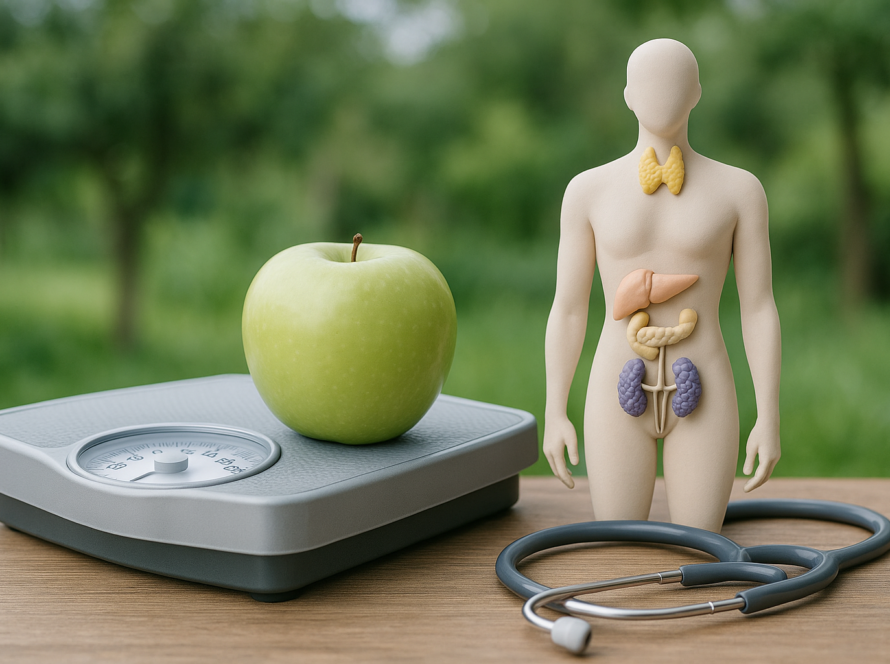
Introduction: Why Body Composition Matters More Than the Scale
When you picture your “goal weight,” what you usually mean is a goal look and feel—more energy, better health markers, and clothes that fit the way you want. That’s body composition: the ratio of fat mass to lean mass (muscle, bone, organs, and water). Focusing solely on pounds can backfire if you lose too much muscle along with fat. Medical weight loss helps you target fat loss while preserving lean tissue, supporting metabolism, strength, and long-term wellness. At Forever Young IV Bar, we approach weight change as a whole-body wellness project—where evidence-based strategies, smart recovery, and supportive therapies work together.
Body Composition 101: Fat vs. Lean Mass
Healthy body composition is about reducing excess body fat while maintaining or increasing lean mass. Muscle is metabolically active tissue: the more high-quality muscle you keep, the easier it is to stay strong, manage blood sugar, support joints, and maintain a healthy resting metabolic rate. In practice, this means pairing a sustainable calorie deficit with strategies that protect muscle—adequate protein, progressive resistance training, sufficient recovery, and targeted lifestyle habits.
What Makes Medical Weight Loss Different?
Medical weight loss goes beyond fad diets and one-size-fits-all challenges. It combines clinical oversight with personalized nutrition, training guidance, behavior strategies, medication when appropriate, and routine tracking (weight, measurements, body composition, labs). The goal isn’t just a lighter you—it’s a more resilient, energized you with better health markers. This approach emphasizes:
- Fat loss over simple “weight loss,” preserving lean mass whenever possible.
- Personalization based on labs, lifestyle, and goals.
- Structured accountability and measurable milestones.
Evidence-Based Pillars for Reshaping Body Composition
1) Protein-Forward Nutrition
During a calorie deficit, prioritizing protein helps preserve lean mass, manage appetite, and improve recovery from training. Many adults aiming to maintain muscle during fat loss do well with a daily protein target aligned to body size and activity level. Build meals around high-quality protein sources, colorful produce, and fiber-rich carbs, then layer in healthy fats for satiety.
2) Strength Training to Protect Muscle
Resistance training is your primary safeguard against muscle loss while dieting. Aim for two to four sessions per week that cover all major movement patterns (squat, hinge, push, pull, carry). Progress gradually—more total reps, a bit more load, or a slower tempo. Even modest strength gains can translate into a more favorable body composition and stronger joints.
3) Move More, All Day (NEAT)
Non-exercise activity thermogenesis (NEAT) is the energy you burn outside of workouts—walking, taking the stairs, standing breaks, chores, gardening. Small daily movements add up and can meaningfully support fat loss without increasing recovery demands. Practical targets: a step goal that’s realistic for your lifestyle, a brief walk after meals, and periodic movement breaks during long sitting periods.
4) Sleep, Stress, and Metabolic Health
Sleep and stress management influence appetite signals, recovery, and training performance. Build a consistent sleep schedule, dim evening light, and a wind-down routine. For stress, use short, repeatable tools: three slow breaths on the hour, a 10-minute walk between tasks, or a five-minute journal to untangle decision fatigue.
5) Hydration and Electrolyte Balance
Underhydration can mimic hunger, sap training intensity, and slow recovery. Set a simple baseline (for many, clear or pale-yellow urine throughout the day) and increase fluids on hard-training or hot days. Consider electrolytes if you sweat heavily or train longer than an hour.
Where IV Therapy Fits Into a Medical Weight Loss Plan
IV therapy isn’t a standalone weight loss solution, but it can support the journey by optimizing hydration, micronutrient repletion, energy production, and recovery—especially when life is busy, training ramps up, or travel disrupts routine. At Forever Young IV Bar, clients often incorporate targeted drips alongside nutrition, training, and coaching:
- Diet & Detox IV Therapy: Formulated with vitamins, minerals, amino acids, and antioxidants to support metabolic efficiency, detox pathways, and energy while you refine habits and reduce calories.
- Athletic Performance IV Therapy: Helps maintain training quality by supporting endurance, muscle function, and post-workout recovery as you increase resistance work to protect lean mass.
Used thoughtfully with a comprehensive program, these supportive drips may help you feel and perform better—so you can stay consistent where it counts: nutrition, movement, sleep, and stress regulation.
GLP-1 Medications and Body Composition: What You Need to Know
GLP-1–based medications can reduce appetite and support meaningful fat loss for eligible individuals. As with any calorie-reducing approach, the body may also shed some lean mass without protective strategies. That’s why we emphasize protein-forward meals, strength training, adequate hydration, and regular check-ins when using these tools. If you and your provider determine that a GLP-1 is appropriate, Forever Young IV Bar offers a physician-guided option:
- Semaglutide Injection: A weekly, provider-managed therapy designed to regulate appetite and support blood sugar control as part of a comprehensive weight management plan.
Medication is most effective when it’s framed as a phase within a bigger wellness plan—where habits, training, and recovery do the long-term heavy lifting.
Personalization With Labs and Coaching
Personalization helps you avoid guesswork. Screening for thyroid function, glucose control, lipids, vitamins, and other markers can identify obstacles to progress and tailor your plan. For a deeper look at metabolic and hormonal drivers, consider:
- Weight Loss Complete Panel: An in-depth screening of metabolic, thyroid, hormonal, and nutritional markers to guide smart, individualized decisions.
- 12-Week Weight Loss Program: A medically supervised framework that can include coaching, targeted medications when appropriate, habit support, and IV therapy integration for recovery and energy.
A Practical Four-Week Framework to Get Started
Use this sample structure as a starting point. Adjust to your schedule, fitness level, and provider guidance.
- Week 1—Assess and Prep: Track your current meals and steps for three to five days. Set a modest calorie deficit. Establish a protein target appropriate for your goals. Book labs if needed and plan two full-body strength sessions (plus easy walks).
- Week 2—Protect Muscle: Add a third strength day or a short at-home session (push-ups, rows, squats, hinges). Keep protein consistent and distribute it across meals. Bump NEAT: add a 10-minute walk after meals and movement breaks each hour you’re at a desk.
- Week 3—Refine Recovery: Standardize bedtime and wake time within the same 60-minute window. Add a dedicated mobility or breathwork session two to three times per week. If training and schedule demand it, consider a supportive IV drip like Athletic Performance IV Therapy to recover well and train consistently.
- Week 4—Measure and Personalize: Reassess body composition, measurements, and performance. If appetite or blood sugar management is a barrier, discuss whether Semaglutide Injection fits your situation. For ongoing support and accountability, explore the 12-Week Weight Loss Program and consider a metabolism-supportive option like Diet & Detox IV Therapy.
Expert Tips for Sustainable Success
- Front-load protein and fiber: A protein-rich breakfast with produce can steady appetite and support afternoon energy.
- Lift first, cardio second (if doing both): Prioritize resistance training to signal your body to keep muscle.
- Plan recovery like a workout: Hydration, sleep, and de-stress rituals protect your progress.
- Track what matters: Body composition, strength numbers, and how you feel tell a better story than scale weight alone.
- Think in seasons: Use focused phases (build habits, cut, maintain) instead of trying to do everything at once.
Conclusion: Redefine “Goal Weight” as “Goal Health”
Your ideal body composition is the byproduct of consistent, doable actions—balanced nutrition, progressive strength training, daily movement, quality sleep, and stress regulation—guided by objective data and, when appropriate, medical therapies. With a personalized plan and supportive services from Forever Young IV Bar, you can pursue fat loss while protecting the lean, strong, and energized body you want for the long run.
Medical disclaimer: The information in this article is for educational purposes only and is not a substitute for personalized medical advice. Always consult your healthcare provider before starting any new nutrition, exercise, IV therapy, or medication plan.