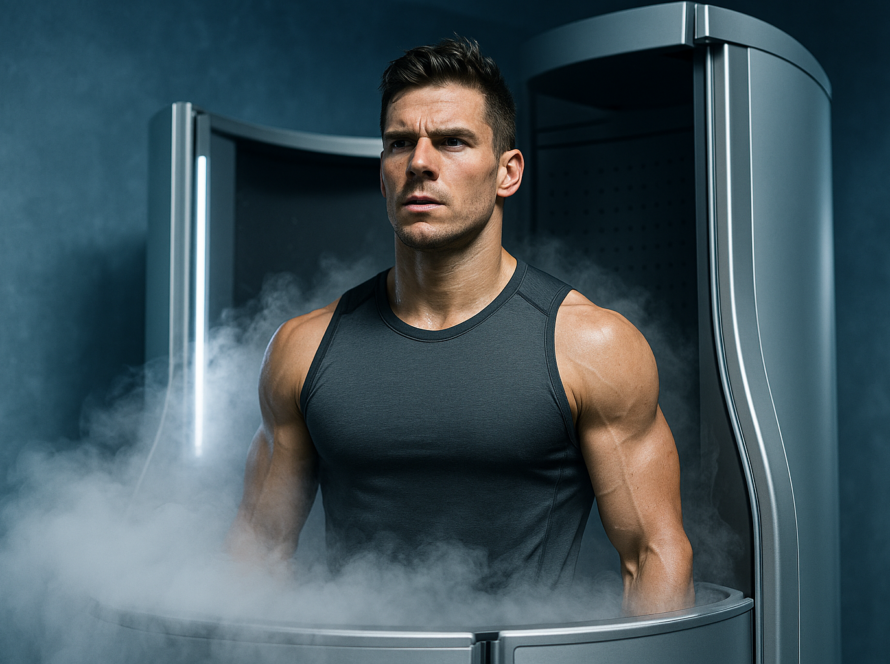
Cold can be a powerful performance tool when you know how and when to use it. Cryotherapy—ranging from whole‑body cold exposure to targeted local cooling—has become a mainstay for athletes seeking faster recovery, sharper readiness, and better training consistency. This guide breaks down the physiology in plain language, offers real‑world timing strategies, and shows where cryotherapy fits inside a broader, wellness‑first performance plan. You’ll also find thoughtful ways to pair cold exposure with hydration and nutrient support available at Forever Young IV Bar to help you get more from every training block.
What Cryotherapy Is—and Why Athletes Use It
Cryotherapy is the deliberate use of intense cold to influence the body’s recovery systems. In practice, that can look like a brief whole‑body session in a cold chamber or localized cooling for a specific joint or muscle group. Cold exposure briefly constricts blood vessels and may dampen inflammatory signaling, which many athletes experience as reduced soreness and a calmer nervous system after hard efforts. The goal isn’t to eliminate stress entirely; it’s to manage the stress from training so you can show up ready for the next session.
Whole‑Body vs. Local Cryotherapy: Which Fits Your Goal?
- Whole‑Body Cryotherapy (WBC): Short, intense cold exposures that target the entire body. Athletes often use WBC to reduce perceived soreness, reset after travel, or support nervous‑system downshifting for sleep and recovery.
- Local Cryotherapy: Focused cooling (for example, a knee, ankle, or shoulder). This can be helpful when you want targeted relief after high‑impact work, repetitive strain, or a minor tweak.
For most training calendars, WBC is best reserved for strategic windows—before key events to promote freshness or after heavy endurance blocks to manage fatigue—while local cryo is useful as a precise tool for hotspots that need TLC without impacting the whole system.
Timing Matters: Use Cold to Support (Not Steal From) Adaptation
The biggest mistake with cryotherapy is poor timing. Strength and hypertrophy adaptations are built on a cascade of signals that unfold for hours after lifting. Intense cold too soon after a heavy resistance session may mute the very signals you trained to create. That doesn’t mean athletes should avoid cold—it means be strategic:
- Strength/Hypertrophy days: Delay intense cold exposure for several hours after your lift. Many athletes prefer cryotherapy later in the day or on the following morning to preserve growth signals while still getting recovery benefits.
- Endurance or high‑volume conditioning days: Post‑session cryo can help manage soreness and keep training quality high the next day.
- Game‑day or event prep: Some athletes like brief pre‑competition cold exposure for a feeling of alertness and reduced muscle heaviness. Keep it short and follow it with a complete warm‑up.
Think of cryotherapy like a dimmer switch for inflammation and neural arousal. Dial it down when you need freshness for performance or back‑to‑back sessions; dial it back up (by delaying cold or skipping it) when you’re prioritizing strength and size.
Build a Weekly Cryotherapy Routine That Respects Your Training Blocks
- Hypertrophy block (muscle‑building focus): Use cryo on rest days, low‑intensity cardio days, or at least several hours after lifting. Emphasize sleep, protein intake, and light mobility work right after the gym.
- Strength or power block: Time cryo away from heavy lifting when possible; reserve for travel recovery, soreness management, or after non‑lifting conditioning.
- Endurance block: Short post‑session cold exposures can help reduce lingering fatigue and perceived soreness, supporting consistent volume.
- Competition taper: Brief, well‑timed sessions can promote a sense of lightness and readiness. Always follow with a full dynamic warm‑up to restore tissue temperature and elasticity before explosive work.
Start conservatively and track how you feel across sleep quality, morning energy, and session‑to‑session readiness. Your logbook will tell you whether cryotherapy is enhancing or distracting from your goals.
Safety First: Who Should Be Cautious with Cryotherapy
Cryotherapy is not for everyone. Individuals with uncontrolled blood pressure, cardiovascular disease, Raynaud’s phenomenon, severe neuropathy, or who are pregnant should avoid or seek explicit medical clearance. Practical tips for safe sessions include: arriving dry (no moisture on skin or clothing), removing metal jewelry, wearing protective socks and gloves when appropriate, and keeping exposures short, especially when you’re new to cold. If you experience numbness that doesn’t quickly resolve, dizziness, chest discomfort, or unusual skin changes, discontinue and consult a clinician.
Smart Pairings: Hydration and Nutrients That Complement Cold
Cryotherapy is most effective inside a holistic recovery plan that covers fluids, electrolytes, and the micronutrients your metabolism needs to repair and perform. These supportive options at Forever Young IV Bar can be scheduled around your training and cryo routine to fill common gaps:
- Athletic Performance IV Therapy: Formulated with fluids, electrolytes, vitamins, and amino acids to support stamina, reduce cramping, and sharpen focus on high‑demand days. Many athletes schedule this before key training blocks or during heavy weeks when consistent output matters.
- Hydration IV Therapy: After hot‑weather practices, long rides, or two‑a‑days, strategic rehydration helps restore balance quickly so your next session doesn’t suffer.
- Recovery IV Therapy: A comprehensive blend designed to replenish nutrients and support antioxidant defenses after periods of intense training or travel—an excellent complement to cryo on endurance or mixed‑modal days.
- Tri‑Amino Acids Injection: L‑Arginine, L‑Citrulline, and L‑Ornithine can support circulation and recovery; many athletes use this on training days when they want to optimize blood flow and tissue repair.
These services aren’t meant to replace the fundamentals—quality food, sleep, and training—but they can streamline recovery logistics during busy seasons and help you maintain high‑quality work when it counts.
Pre‑ and Post‑Cryo Routines That Amplify the Benefits
Before Your Session
- Hydrate and fuel appropriately for the day’s training demand.
- Decide your goal: soreness relief, pre‑event readiness, or nervous‑system downshift. The goal determines the timing.
- Keep exposures brief when trying something new. You can always do more later—consistency beats extremes.
After Your Session
- Re‑warm gradually with light movement and breathwork to restore comfortable circulation.
- Follow with a balanced meal emphasizing protein and colorful plants, or time your regular post‑workout nutrition if you scheduled cryo hours after lifting.
- Protect your sleep window. Many athletes find evening cryo paired with a warm shower later enhances relaxation before bed.
Common Mistakes to Avoid
- Using cryo immediately after heavy lifting when your primary goal is muscle gain.
- Over‑doing session length instead of building tolerance slowly.
- Skipping the warm‑up before explosive training after a pre‑event cold exposure.
- Relying on cold alone and neglecting sleep, nutrition, and intelligent programming.
Putting It All Together: A Sample Week
Here’s a conceptual template you can adapt with your coach or provider:
- Mon (Lift—Lower Body): No cryo immediately post‑workout. Emphasize protein and mobility. Optional cryo later in the evening if soreness is high.
- Tue (Endurance Intervals): Short post‑session cryo to manage fatigue; consider Hydration IV Therapy if training in heat.
- Wed (Active Recovery): WBC for nervous‑system reset; easy movement; nutrient‑dense meals.
- Thu (Lift—Upper Body): Delay cold by several hours; consider Tri‑Amino Acids Injection on training days to support blood flow.
- Fri (Sport Practice or Tempo Run): If a weekend event is coming, a brief cryo exposure can promote freshness—always follow with a full dynamic warm‑up.
- Sat (Long Session or Event): Post‑session cryo as needed; pair with Recovery IV Therapy during heavy blocks.
- Sun (Rest): Optional gentle cryo for relaxation and sleep support.
Conclusion: Cold Is a Tool—Use It Intentionally
Cryotherapy can be a difference‑maker for athletic performance when it’s used with intention. Align the timing with your training goal, start conservatively, and evaluate how it influences sleep, soreness, and consistency. Fold it into a comprehensive recovery plan that includes hydration, nutrient repletion, smart programming, and adequate rest. If you want structured support around demanding phases, services like Athletic Performance IV Therapy, Hydration IV Therapy, Recovery IV Therapy, and the Tri‑Amino Acids Injection can complement your cryo routine without replacing the fundamentals. When you respect both the science of adaptation and your body’s feedback, cold becomes more than a trend—it becomes a performance ally.
This educational content is not medical advice and is not a substitute for individualized guidance. Always consult your healthcare provider before starting new therapies, especially if you have underlying health conditions.