Mobile wellness has changed the way many people hydrate, recover, and rebalance. At‑home IV therapy—sometimes called mobile IV therapy—brings medical‑grade hydration and nutrient infusions to your living room, office, or hotel room, offering convenience without the waiting room. This guide explains how at‑home IV therapy works, who it may benefit, how to prepare, and the safety fundamentals you should know. Our goal is to help you make informed, wellness‑forward decisions that complement healthy habits like nutrition, sleep, movement, and stress management.
What Is At‑Home IV Therapy?
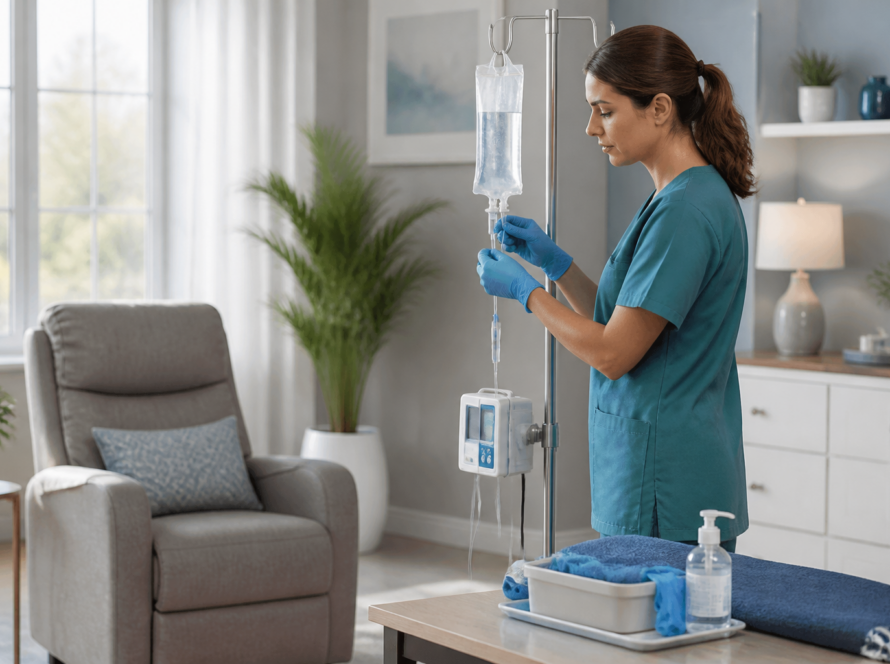
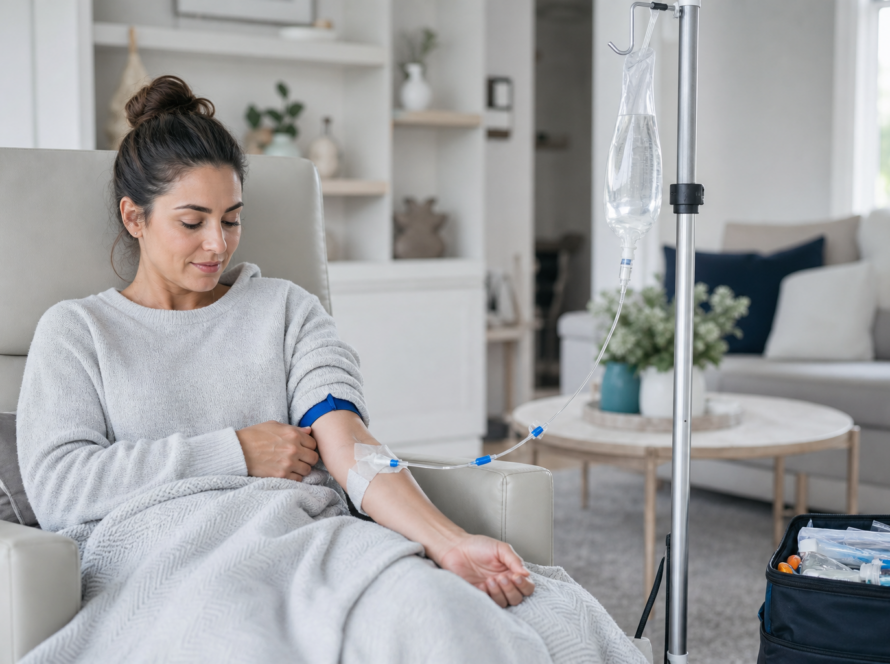
At‑home IV therapy is a nurse‑administered infusion of fluids, electrolytes, vitamins, minerals, and sometimes amino acids delivered through a small catheter placed in a peripheral vein (usually the arm or hand). Unlike oral intake, IV delivery bypasses the digestive tract, allowing for rapid hydration and immediate availability of nutrients in the bloodstream. In a mobile setting, a licensed provider travels to you with sterile supplies, performs a brief clinical screening, places the IV, monitors your comfort, and removes the catheter when the infusion is complete.
Wellness‑Focused Benefits You Might Notice
IV therapy is not a replacement for a balanced lifestyle or medical care, but many wellness‑minded people use it as a supportive tool. Depending on the formula you and your clinician choose, potential short‑term benefits may include:
- Rapid rehydration after travel, strenuous training, heat exposure, or a big event.
- Replenishment of water‑soluble vitamins (such as B‑complex and vitamin C) that support energy metabolism and immune function.
- Electrolyte balance to help reduce fatigue, lightheadedness, or post‑workout cramping from fluid losses.
- General recovery support during busy seasons when sleep and nutrition have been less than ideal.
Results and experiences vary from person to person. IV therapy should be part of a broader wellness plan that includes hydration by mouth, nourishing meals, consistent sleep, and appropriate physical activity.
Safety First: Screening, Side Effects, and When to Skip
Safety begins with a proper clinical screen. Your provider should review your medical history, allergies, current medications and supplements, and recent health changes before recommending a drip. A focused assessment may include vital signs, hydration status, and a discussion of your goals for the visit.
Common, usually minor side effects can include temporary soreness or bruising at the IV site, a cool sensation in the arm, or a brief metallic taste with certain nutrients. Less common issues include vein irritation (phlebitis) or fluid overload if infusions are not tailored to your needs.
At‑home IV therapy is generally not appropriate without direct medical guidance if you have significant heart, kidney, or liver disease; uncontrolled high blood pressure; certain clotting disorders; known allergies to ingredients in the drip; or if you are acutely ill and may need urgent evaluation. Always disclose pregnancy or breastfeeding so your provider can tailor care appropriately. If you develop chest pain, difficulty breathing, severe swelling, fever, or spreading redness after any infusion, seek immediate medical attention.
What to Expect During a Home Visit
- Arrival and setup: Your nurse arrives with sterile supplies, performs hand hygiene, and sets up a clean field. You’ll review consent, goals, and your health screen together.
- Site selection and IV start: After cleaning the skin, a small catheter is placed into a vein. You may feel a brief pinch; most people find it similar to a routine blood draw.
- Infusion and monitoring: Fluids and nutrients flow by gravity or pump. Typical sessions last 30–60 minutes depending on volume and formula. Your provider monitors comfort, flow, and the IV site throughout.
- Wrap‑up and aftercare: The catheter is removed, a small bandage is applied, and you’ll be given aftercare tips and red‑flag symptoms to watch for.
If you value privacy and convenience, Forever Young IV Bar’s Mobile Wellness Clinic brings the same licensed team and professional standards directly to you.
How to Prepare for Your Appointment
- Hydrate by mouth the day before and the morning of your visit unless otherwise instructed.
- Have a light snack 60–90 minutes beforehand to reduce nausea; avoid heavy, salty meals right before your drip.
- Share a current medication/supplement list and any recent lab results relevant to hydration, kidney function, or electrolytes.
- Choose a comfortable chair with arm support and good lighting; wear layers so a forearm or hand is easy to access.
- Plan a calm hour: silence notifications, keep pets/kids settled, and allow time to rest afterward.
Aftercare: Getting the Most from Your Drip
- Keep the small bandage on for at least 30 minutes; avoid heavy lifting with the infused arm for the rest of the day.
- Continue sipping water or an electrolyte beverage; resume balanced meals with protein, colorful produce, and quality carbohydrates.
- Light movement—like a short walk—can support circulation. Prioritize sleep the night after your infusion.
- Monitor the IV site. Mild tenderness is common; increasing redness, warmth, or swelling warrants a message to your provider.
- Space infusions thoughtfully. More is not always better; frequency should match goals, health status, and provider guidance.
Building a Holistic Plan Around IV Therapy
IV therapy works best as a complement—not a substitute—for everyday wellness. Consider stacking your infusion with:
- Nutrition: Aim for lean proteins, omega‑3 fats, high‑fiber carbohydrates, and mineral‑rich foods (leafy greens, legumes, nuts, seeds). Pair B‑vitamin–rich foods with iron sources for energy support.
- Hydration habits: Establish a baseline routine using water plus electrolytes during travel, long workouts, or heat exposure.
- Recovery rituals: Alternate training intensity, schedule active recovery, and build a bedtime routine to protect deep sleep.
- Care coordination: Stay in touch with your primary care clinician, especially if you have chronic conditions or take prescription medications.
Thoughtful Options to Consider
If you and your provider decide that an at‑home drip fits your goals, these formulas can align with common wellness needs:
- Hydration IV Therapy for rapid fluid and electrolyte replenishment after travel, heat, or intense workouts.
- Original IV Therapy – Myers Cocktail for broad wellness support with a blend of vitamins and minerals used to back up immune resilience and recovery.
- Energy IV Therapy when long workdays or training cycles leave you feeling drained and unfocused.
- Mobile Wellness Clinic if you prefer the convenience and privacy of receiving care at home or on location.
These options are examples, not prescriptions. Your clinician will help you choose an infusion—or recommend postponing—based on your history and current status.
Frequently Asked Questions
How long does an at‑home IV take?
Most visits take 45–60 minutes, including setup and takedown. The infusion itself typically flows over 30–45 minutes, depending on the formula and your comfort.
How often should I schedule IV therapy?
Frequency is individualized. Some people use IV therapy as needed for recovery from travel or events; others plan it around training blocks or busy seasons. Your provider can help you set a cadence aligned with your wellness goals and health profile.
Who administers the drip?
Qualified, licensed professionals—such as registered nurses—start and monitor your IV, following sterile technique and established protocols for safety and comfort.
Does IV therapy replace drinking water and eating well?
No. IV therapy is a supportive tool. Daily hydration, nutrient‑dense meals, sufficient sleep, and movement remain the foundation of health.
What if my veins are “hard to find”?
Skilled clinicians use assessment, proper positioning, warm packs, and the smallest appropriate catheter to improve success. If access is not ideal, a good safety‑first practice is to pause and reassess rather than force an IV start.
The Bottom Line
At‑home IV therapy offers a convenient path to targeted hydration and nutrient support when used thoughtfully and safely. Prioritize licensed providers, transparent screening, and individualized formulas. Pair your drip with consistent habits—smart hydration, balanced meals, restorative sleep, and intentional recovery—to amplify results. If you have questions about whether a home visit makes sense for your goals, connect with a licensed clinician and consider scheduling through Forever Young IV Bar’s Mobile Wellness Clinic to bring professional care to you.