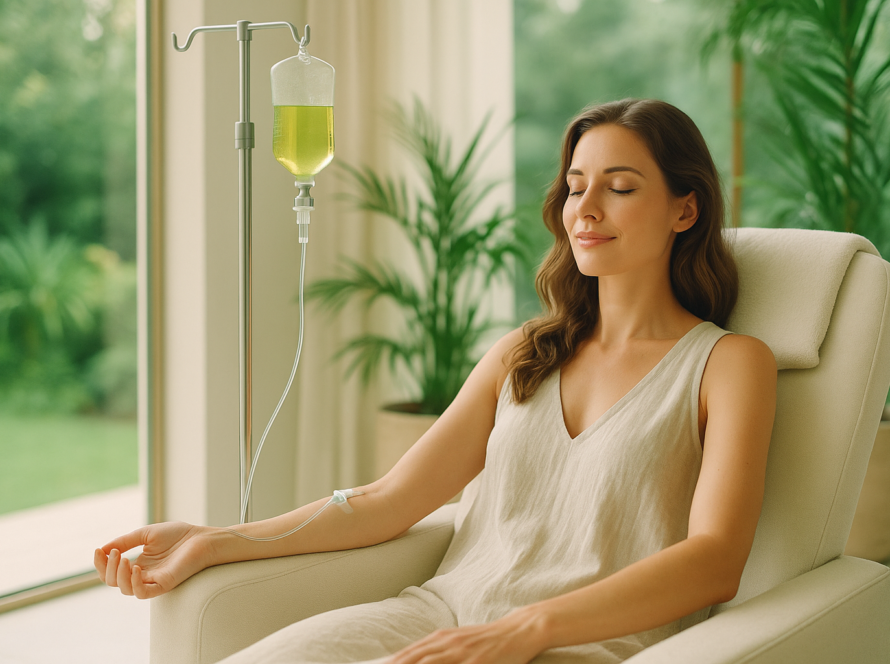
Modern life can feel like a marathon with no finish line. Deadlines stack up, screens never stop glowing, and our bodies try to keep pace until fatigue, fog, and irritability start to feel normal. Medical spa retreats offer a different path—one that blends evidence-informed therapies with restorative practices to help your nervous system downshift and your energy return. At Forever Young IV Bar, we see this shift every week: when hydration, micronutrient support, movement, breath, and mindful recovery come together, stress no longer drives the day.
Why Medical Spa Retreats Work for Stress Recovery
Lasting transformation is less about doing one big thing and more about stacking small, smart choices. A well-designed retreat does exactly that. It layers clinical-grade care with accessible rituals so your mind and body can reset together. Here’s how that synergy helps:
- Nervous system regulation: Slow, structured breathing and guided relaxation techniques nudge your body from a constant fight-or-flight state into a calmer, parasympathetic mode where recovery happens.
- Cellular hydration and micronutrients: Strategic fluids, electrolytes, and vitamins help restore what stress depletes. For many guests, carefully supervised IV hydration provides a faster on-ramp to clarity and calm.
- Active recovery: Gentle strength work, mobility, or walking pairs movement-driven mood benefits with circulation that supports tissue repair.
- Sleep and circadian support: Light exposure, calming evening routines, and device boundaries help your brain reclaim natural rhythms that buffer stress.
Real-Life Transformations: Three Composite Stories
These snapshots combine common patterns we see in guests (names and details changed for privacy). They illustrate how small, coordinated steps can move you from stressed to steady.
The Overbooked Executive: From Wired and Tired to Even-Keeled
Jasmine arrived running on caffeine and four hours of sleep. Her goals: clearer thinking for afternoon meetings and fewer post-work crashes. Day one began with a hydration focus—water upon waking, mineral-rich snacks, and a calming breath sequence before email. Under clinician guidance, she added a targeted infusion to rapidly replete fluids and electrolytes with Hydration IV Therapy. Afternoon movement was intentionally light: a 20-minute walk, three mobility drills, and a short screen break. By evening, she reported steady energy instead of the usual 3 p.m. slump. The change wasn’t magic; it was physiology—hydration plus micronutrients, fewer stimulants, and rhythm-friendly routines.
The Marathon Mom: From Frazzled to Resilient
Between school drop-offs and evening work blocks, Tasha lived in sprint mode. Her retreat emphasized nervous system care. Morning coherence breathing trained a slower, steadier rhythm. Gentle intervals on a stationary bike boosted mood without draining reserves. A clinician recommended mood-calming micronutrients via Mood Support IV Therapy to complement her journaling practice and boundary-setting around screens after 8 p.m. By the end of the weekend, she described “more space” in her day—less reactivity, better patience, and deeper sleep onset.
The Night-Shift Nurse: From Brain Fog to Sharper Focus
Daniel struggled with swing shifts and mental fatigue. His plan prioritized circadian-friendly light exposure (bright light on waking; dim, warm light before sleep), protein-forward meals, and strategic hydration. To support cognitive clarity, his clinician suggested a blend formulated for mental stamina—paired with breaks that included five minutes of breath-led downshifting. He noticed clearer recall and steadier attention after adding Brain Health IV Therapy, while continuing the essentials: movement snacks, hydration, and consistent sleep windows.
The Physiology of Calm: What’s Happening Under the Hood
Stress isn’t just a feeling; it’s a full-body cascade. Here are the levers we can influence during a retreat:
- Hydration and electrolytes: Even mild dehydration can amplify fatigue and fuzzy thinking. Rebalancing fluids supports blood flow, temperature regulation, and mental clarity—key wins when stress is high.
- B vitamins, minerals, and amino acids: These micronutrients help your cells make energy, maintain nerve function, and handle oxidative stress. Replenishing them can feel like switching your body from “battery saver” back to normal performance.
- Breath and the vagus connection: Slow, nasal breathing shifts heart rate variability toward a calmer state. Think of it as gentle steering for your nervous system—practiced in minutes, carried into your week.
- Movement as medicine: Low-to-moderate intensity activity can elevate mood-boosting neurochemicals while keeping recovery on track. Your retreat shouldn’t crush you; it should charge you.
Build Your Own Two-Day “Stress-to-Serenity” Framework
If a full destination retreat isn’t on your calendar, use this structure at home or during a focused weekend at the spa. The goal: stack simple practices that lower load and raise resilience.
- Prepare (30 minutes): Write down three outcomes you want—e.g., “clearer head,” “deeper sleep,” “less afternoon anxiety.” Set phone limits (airplane mode during key blocks). Gather a water bottle, comfy clothes, and a light lunch plan.
- Morning Reset (60–90 minutes): Sunlight within an hour of waking, a brief mobility circuit, then five minutes of paced breathing. Hydrate and add a protein-forward breakfast (eggs, Greek yogurt, or a plant-based equivalent).
- Midday Clarity (60 minutes): Choose a gentle activity—walk, bike, or yoga. Follow with a nutrient-dense snack and mindful screen break. If you want a clinical boost, consider a supervised infusion like Energy IV Therapy or comprehensive repletion with Recovery IV Therapy to complement hydration and nutrition.
- Evening Wind-Down (45 minutes): Dim lights, stretch, journal one win from the day, and shut down devices at least 30–60 minutes before bedtime. Breathwork or a brief body scan helps nudge the nervous system toward rest.
- Integration (15 minutes): The next morning, note how you slept, your mood, and energy. Choose one ritual to keep daily (water before coffee, a 10-minute walk, or three minutes of breathing) and one practice to repeat weekly (screen-free evening, mobility session, or a longer nature walk).
What to Expect When You Add IV Therapy—And When You Shouldn’t
IV therapy isn’t a shortcut around healthy habits—it’s a companion to them. Many guests notice quicker relief from brain fog and fatigue when hydration and micronutrients arrive directly to the bloodstream under professional supervision. That said, IV therapy isn’t appropriate for everyone. Always discuss your health history, medications, and goals with a licensed provider. Expect your clinician to screen for conditions where IV therapy may not be advised and to personalize blends to your needs.
Beyond the Weekend: Turning Calm into a Lifestyle
The best retreat sends you home with new defaults:
- Hydrate on a rhythm: Start the day with water and add electrolytes during heat, exercise, or travel.
- Protect focus: Work in focused blocks with short movement or breathing breaks to maintain mental freshness.
- Move most days: Short, consistent sessions beat occasional extremes for mood and resilience.
- Curate your evenings: Light, temperature, and screens shape sleep. Calmer inputs lead to better outputs.
- Check in regularly: Track energy, mood, and sleep quality weekly. Small trends tell you when to adjust.
When a Medical Spa Retreat Might Be Right for You
Consider a retreat if you recognize these patterns: constant fatigue despite adequate sleep, frequent headaches or muscle tension, reliance on stimulants to function, or a sense that small stressors trigger outsized reactions. A blended approach—breathwork, movement, nutrition, sleep hygiene, and targeted therapies—can help you regain your footing faster than willpower alone.
Your Path from Stress to Serenity
Transformation isn’t about escaping life; it’s about meeting life with a more resilient body and a steadier mind. Whether you spend a restorative weekend or simply borrow the framework above, you can create a powerful nervous-system reset. If you choose to incorporate clinical support, Forever Young IV Bar offers supervised options—from rapid rehydration with Hydration IV Therapy to mood-calming blends like Mood Support IV Therapy, and cognitive-focused support via Brain Health IV Therapy. Pair any clinical therapy with foundational habits—water, whole foods, breath, movement, light, and sleep—and you’ll give your body what it needs to shift from stressed to steady.
Disclaimer: This article is educational and not medical advice. Always consult your healthcare provider to determine what’s safe and appropriate for your individual needs.