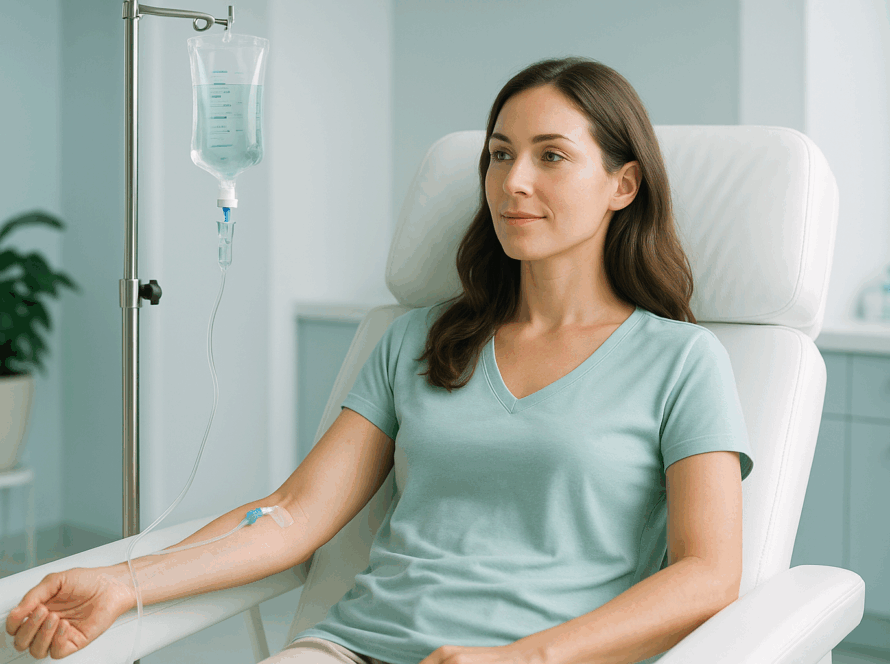
Intravenous (IV) vitamin therapy has moved from hospitals into wellness settings, promising faster hydration and targeted nutrient delivery. At Forever Young IV Bar, we’re often asked what the science actually says, who may benefit, and where the limitations lie. This balanced guide reviews how IV vitamin therapy works, the evidence behind common ingredients, key safety considerations, and practical ways to integrate IVs into a holistic wellness plan—without the hype.
How IV Vitamin Therapy Works in the Body
IV therapy delivers fluids, electrolytes, and nutrients directly into the bloodstream. By bypassing digestion, it achieves immediate hydration and predictable bioavailability for water‑soluble vitamins and minerals. Most wellness drips are formulated around four building blocks: fluids for volume and circulation, electrolytes for nerve and muscle function, vitamins (often B‑complex and vitamin C) for energy metabolism and antioxidant support, and selected amino acids or co‑factors to tailor goals like recovery or cognitive focus.
What the Latest Research Suggests: Benefits With Boundaries
1) Hydration and recovery: fast and reliable
For people who are dehydrated from heavy sweating, travel, heat exposure, or short‑term illness, IV fluids can restore balance efficiently—especially when nausea or GI upset limits oral intake. Outside of medical emergencies, the wellness goal is modest: feel better sooner by normalizing fluid and electrolyte status. A thoughtful option here is a simple hydration‑forward drip with electrolytes and core vitamins, such as Hydration IV Therapy (500 mL or 1000 mL), which focuses on replenishment rather than stimulation.
2) Vitamin C: supportive, not a cure‑all
Vitamin C has been studied widely for immune support. Oral vitamin C can modestly reduce cold symptom severity and duration in some people, especially under physical stress. Intravenous vitamin C achieves higher blood levels than oral dosing, but in everyday wellness settings it should be framed as supportive—helping the body meet increased antioxidant demand—rather than as a treatment for disease. If immune resilience is your goal, a targeted infusion like High Dose Vitamin C IV Therapy can be considered as one part of a broader plan that still emphasizes sleep, nutrition, and hand hygiene.
3) Magnesium and headaches: benefit depends on the headache type
Magnesium plays roles in nerve signaling and vascular tone. Research on intravenous magnesium for acute headaches and migraines shows mixed results—some trials report relief (particularly in migraine with aura) while others show little to no effect. For wellness use, magnesium is better viewed as an adjunct: potentially helpful for certain individuals, but not a universal solution. If headaches are frequent or severe, medical evaluation and a prevention plan are more important than any single infusion.
4) NAD+ and cellular health: intriguing but still emerging
NAD+ is a coenzyme central to energy production and cellular repair. Interest in NAD+ IV therapy has grown quickly, but human studies are still small and evolving. Some people report improved clarity or stamina after carefully paced infusions, while others experience transient discomfort during rapid administration. Until larger trials clarify who benefits most and at what doses, NAD+ should be considered an optional, advanced wellness add‑on—not a replacement for healthy sleep, movement, and nutrition. If you’re curious, review expectations and infusion pacing with a clinician before considering NAD+ IV Therapy.
5) Athletic performance and recovery: context matters
For recreational athletes, electrolyte‑rich fluids before or after strenuous events may reduce cramping and support quicker rebound, especially in heat or at altitude. For competitive athletes governed by anti‑doping rules, large‑volume IVs can be restricted; always check your sport’s regulations. In the wellness context, a performance‑minded blend that pairs hydration with amino acids and key micronutrients—like Athletic Performance IV Therapy—can complement training when combined with adequate fueling and recovery days.
Limitations and Where Caution Is Warranted
- It’s supportive, not curative: IV vitamins are not treatments for chronic diseases, infections, or nutrient malabsorption unless prescribed and monitored by your medical team. They’re best used to support hydration, recovery, and nutrient repletion in otherwise healthy adults.
- Evidence varies by ingredient: Hydration benefits are straightforward. Research for magnesium and NAD+ is mixed or early. Vitamin C is supportive for immune function but does not prevent all illness.
- Potential side effects exist: As with any IV, there’s a small risk of bruising, vein irritation, or infection. Rapid infusions can cause flushing or lightheadedness. Sensitive individuals may experience nausea or headaches with certain formulas.
- Medical conditions matter: People with kidney disease, a history of kidney stones, heart failure, uncontrolled hypertension, G6PD deficiency (when considering very high‑dose vitamin C), or who are pregnant or breastfeeding should have individualized clearance. Bring your medication and supplement list to your appointment to review for interactions.
- Athletes and regulations: If you compete under anti‑doping rules, ask about permissible volumes and documentation before scheduling any large‑volume infusion.
How IV Therapy Fits into a Holistic Wellness Plan
The biggest results come from consistent fundamentals. Think of an IV as a catalyst, not the cornerstone. Here’s how to integrate responsibly:
- Hydration strategy: Use daily fluid goals and electrolytes around workouts; reserve IVs for days when recovery demands are higher or when GI issues limit oral intake.
- Nutrition first: Aim for protein at each meal, colorful produce for phytonutrients, and omega‑3 fats. IVs can help you “catch up,” but your plate does the heavy lifting.
- Train and recover smart: Pair tough sessions with sleep, mobility work, and periodic deload weeks. Consider occasional recovery‑focused blends, such as the comprehensive Recovery IV Therapy, when stress accumulates.
- Listen to your body: Track how you feel for 24–48 hours post‑infusion—energy, sleep, soreness, and focus. Share that feedback with your provider to fine‑tune future sessions.
Choosing a Thoughtful Formula
Look for transparent ingredient lists and doses, sterile compounding, and protocols that adjust infusion speed to your comfort. A few examples of purposeful formulations at Forever Young IV Bar include:
- Original IV Therapy – Myers Cocktail for well‑rounded wellness support when you’re run down by travel or seasonal stress.
- Hydration IV Therapy when fluids and electrolytes are the priority.
- High Dose Vitamin C IV Therapy for antioxidant support during higher‑stress periods.
- NAD+ IV Therapy for those exploring cellular‑health strategies under clinician guidance.
Not sure where to start? Your provider can help align a formula with your goals, tolerance, and health history.
Smart Questions to Ask Before You Book
- What specific outcomes should I expect from this formula, and how will we measure them?
- What are the doses of each ingredient, and are they appropriate for my size and health status?
- How long is the infusion, and can the rate be adjusted if I feel discomfort?
- What are the clinic’s sterile procedures and who places the IV?
- Are there any reasons I should postpone today (fever, infection, new medications, upcoming labs)?
Who Might Benefit Most
- Active individuals needing periodic, reliable rehydration after intense heat or travel.
- Professionals with demanding schedules seeking short‑term recovery support after unusually stressful weeks.
- People with occasional heavy training blocks who want a structured, hydration‑plus‑nutrient session like Athletic Performance IV Therapy to complement sleep and nutrition.
Bottom Line: Evidence‑Informed, Wellness‑Focused
IV vitamin therapy can be a useful wellness tool—particularly for rapid hydration and targeted support—when used thoughtfully and safely. The most consistent benefits show up when IVs are integrated into a broader plan that prioritizes daily habits, not when they’re used as quick fixes. Approach each infusion like you would a training session: prepare, personalize, and evaluate your response. With clear goals, sound screening, and the right formula, IV therapy can help you feel and function at your best while respecting the current science and your body’s needs.