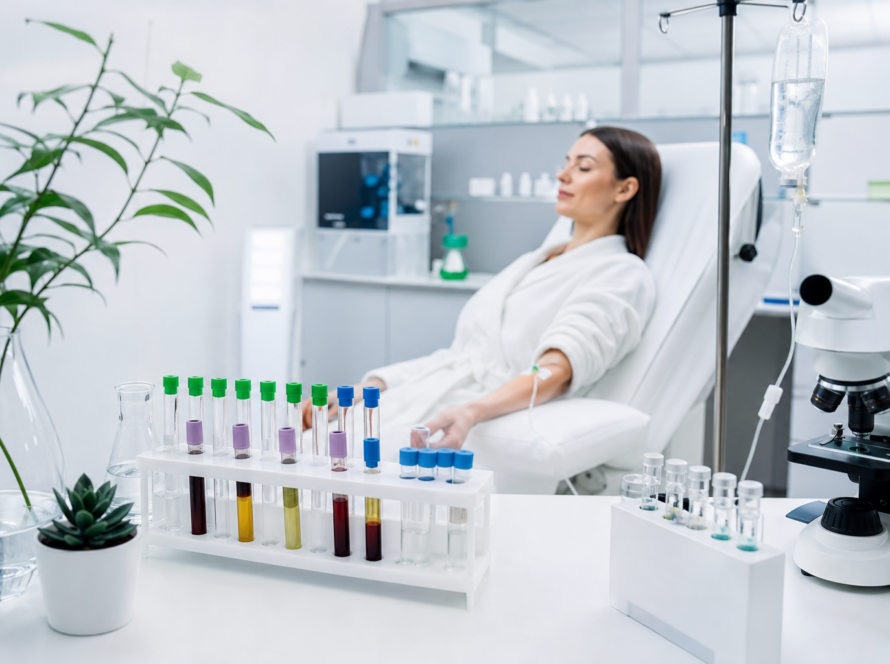
Your wellness journey is uniquely yours. Genetics, lifestyle, environment, training load, sleep, and stress all shape how your body performs and recovers. Comprehensive lab testing turns that complexity into clarity by revealing the biomarkers that guide smarter nutrition, targeted supplementation, training adjustments, and—when appropriate—supportive therapies like IV hydration. In this article, you’ll learn how data-driven testing helps personalize your path to optimal health without guesswork.
From Guessing to Knowing: Why Comprehensive Labs Matter
Traditional annual labs are designed to screen for disease. Comprehensive wellness panels go a step further: they help you understand how well your systems are functioning now, so you can make proactive, personalized changes before small imbalances become bigger issues. When your biomarkers are mapped against your goals—better energy, improved focus, enhanced performance, or smoother hormone transitions—you gain a blueprint for sustainable habits and precise course-corrections.
“Normal” vs. “Optimal”: Interpreting Your Numbers
Reference ranges are a starting point
Lab reference ranges describe the values seen in a broad population—not necessarily what’s ideal for you. A result can be “normal” yet still sit near a threshold that explains how you feel. The most useful interpretation considers your history, symptoms, medications, training, and stress levels alongside the numbers.
Trends over time trump single snapshots
One lab draw is helpful; a series is powerful. Tracking trends every few months reveals whether your plan is moving the right markers in the right direction. This is the essence of personalized wellness: observe, adjust, and verify.
Key Biomarker Domains That Inform a Personalized Plan
Metabolic health
Markers such as fasting glucose, Hemoglobin A1c, and fasting insulin reflect how your body handles carbohydrates over time. Lipid profiles (total cholesterol, LDL, HDL, triglycerides) plus liver enzymes (ALT, AST) provide additional context for cardiometabolic risk and how your nutrition and activity are working for you.
Thyroid and energy regulation
Thyroid Stimulating Hormone (TSH) with Free T4 and Free T3 can explain changes in energy, weight trends, temperature sensitivity, and hair or skin changes. In some cases, thyroid antibodies help identify autoimmunity that warrants closer monitoring.
Nutrient status
Common shortfalls—vitamin D, vitamin B12, iron studies (ferritin, iron, TIBC)—can affect mood, focus, stamina, and recovery. Knowing your status helps tailor food choices and dosing rather than supplementing blindly.
Inflammation and recovery
High-sensitivity C-reactive protein (hs-CRP) gives a broad snapshot of systemic inflammation. A Complete Blood Count (CBC) with differential can hint at recovery status, infection risk, or the need to evaluate iron or B12 more deeply.
Turning Numbers Into Action: A Practical Workflow
- Clarify your goal. Are you training for an event, rebalancing hormones, managing stress, or optimizing longevity? Your goal determines which panel is most relevant.
- Establish a baseline. Complete a comprehensive draw while following best practices (see preparation tips below). Use this as your starting map.
- Build a personalized plan. Translate findings into food strategies (protein, fiber, micronutrients), movement and recovery targets, sleep hygiene, and targeted supplementation.
- Consider supportive therapies. Hydration and nutrient infusions can complement—not replace—foundational habits when timed around travel, heavy training, or recovery needs.
- Retest and refine. Recheck priority markers every 8–12 weeks for active changes, then 6–12 months for maintenance. Adjust your plan based on objective progress.
Where IV Therapy Fits (And Where It Doesn’t)
IV therapy is most effective when it supports a data-driven plan. For example, if labs suggest dehydration risk (elevated BUN/creatinine ratio) or electrolyte imbalance after intense training or travel, focused hydration can speed recovery while you address the root cause with daily habits.
Hydration and electrolytes support
For rapid rehydration during heat, high-altitude travel, or after demanding training blocks, Hydration IV Therapy delivers fluids and electrolytes directly to the bloodstream. It’s a strategic tool for short-term recovery while your routine emphasizes regular fluid intake, minerals, and sleep.
Broad nutrient coverage during recovery phases
When you’re bouncing back from an illness, seasonal drag, or a heavy work stretch, a balanced infusion with vitamins and minerals can complement nutrition and rest. The time-tested blend in the Original IV Therapy – Myers Cocktail is often used as a general support option alongside a personalized plan informed by labs.
Important note: IV therapy should be tailored to your health history and goals. It is not a substitute for medical care or a reason to ignore out-of-range labs. Always review results with a qualified provider.
Choosing the Right Panel for Your Goals
Women’s hormone and whole‑health insight
If your goals include smoother cycles, perimenopause planning, or clarity on energy and mood shifts, the Female Hormone Check Complete evaluates sex hormones alongside thyroid, cortisol, nutrients, and metabolic markers for a comprehensive picture.
Men’s performance, vitality, and prevention
For goals spanning energy, body composition, and long-term cardiovascular health, the Male Hormone Check Complete pairs testosterone assessment with thyroid, lipids, glucose control, inflammation, and key nutrients to guide an effective plan.
Active lifestyles and athletic optimization
If you’re training hard or stacking events, the Athletic Sports Panel focuses on the markers that influence stamina, recovery, and adaptation—helpful for adjusting fueling, sleep, and training intensity.
How to Prepare for Your Blood Draw
- Confirm fasting instructions. Many panels require 8–12 hours of fasting; water is typically encouraged. Ask before your appointment.
- Hydrate well the day prior. Being well-hydrated can make venipuncture smoother and may improve sample quality.
- Time your draw consistently. Morning draws provide consistency for hormones and glucose-related markers.
- Track medications and supplements. Bring a list. Some items (like biotin) can interfere with certain tests; ask whether you should pause beforehand.
- For women, note cycle timing. If assessing reproductive hormones, your provider may recommend specific cycle days for the most informative snapshot.
- Reduce strenuous exercise 24 hours before. Hard sessions can transiently alter certain markers; plan a lighter day before labs.
Building Your Personalized Plan From Results
Nutrition that fits your biology
Use your markers to guide macronutrient balance, protein targets, fiber variety, and micronutrient repletion. For example, address low ferritin with iron-rich foods plus vitamin C sources to enhance absorption, and use B12 or vitamin D data to personalize dosing rather than guessing.
Training and recovery that match your capacity
Elevated inflammation or lagging recovery markers may signal the need to adjust intensity, prioritize sleep, or add mobility and breath work. Plan deload weeks proactively around work and travel, not reactively after burnout.
Targeted support, timed smartly
When your schedule, climate, or workload raises dehydration risk, schedule Hydration IV Therapy strategically. If you’re rebuilding after illness or a demanding season, a balanced infusion like the Original IV Therapy – Myers Cocktail can be paired with sleep, protein optimization, and light movement to accelerate your return to baseline.
How Often Should You Retest?
- Active change phase: Every 8–12 weeks to verify that nutrition, training, and supportive care are moving markers in the right direction.
- Maintenance phase: Every 6–12 months to ensure stability and catch early drifts.
- After significant life changes: Retest after events like illness, new medications, pregnancy/postpartum, major training blocks, or relocation to a new climate or altitude.
Putting It All Together
Comprehensive lab testing transforms your wellness journey from trial-and-error to targeted progress. Start with a panel that matches your goals, prepare thoughtfully, and turn your results into clear actions for nutrition, movement, sleep, and stress management. Supportive options like Hydration IV Therapy and the Original IV Therapy – Myers Cocktail can complement those foundations when timed intentionally. For women, the comprehensive view offered by the Female Hormone Check Complete, and for men, the Male Hormone Check Complete, or performance-focused insights from the Athletic Sports Panel, provide the data you need to personalize with confidence.
This content is for educational purposes and is not a substitute for medical advice. Always consult a qualified healthcare professional to interpret labs and design the plan that’s right for you.