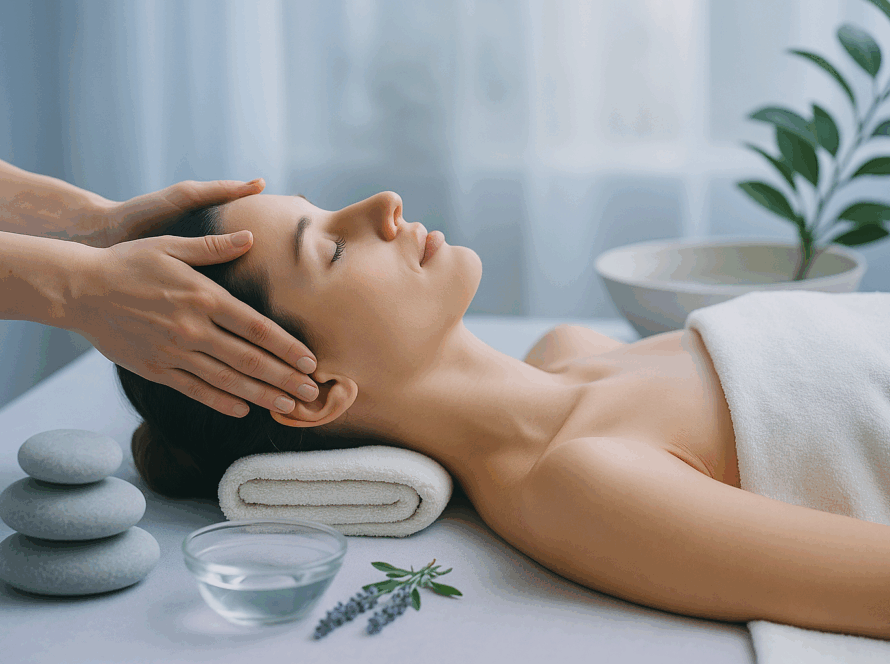
Healthy, youthful-looking skin isn’t just about looking good—it’s a reflection of whole-body wellness. A thoughtful spa routine can support cell renewal, collagen integrity, hydration, and stress resilience. Below, discover five evidence‑informed anti‑aging treatments you can experience at a wellness spa, plus tips to combine them safely and effectively for lasting results. Throughout, we’ll keep the focus on education and smart, sustainable skincare practices that fit a holistic lifestyle.
1) Professional Chemical Peels: Gentle Resets for Texture and Tone
Chemical peels use controlled exfoliation to remove dull, damaged surface cells and prompt fresh turnover. Superficial peels (think low‑percentage glycolic, lactic, or salicylic acids) can soften fine lines, brighten uneven tone, and improve the look of pores with minimal downtime. They’re popular pre‑event options because results can appear quickly once flaking subsides.
What to expect: your provider will cleanse the skin, apply the peel for a set time, neutralize if needed, then follow with barrier‑supportive care. A series (every 4–6 weeks) typically delivers the best cumulative results.
Safety notes
- Sun protection is non‑negotiable for at least 2–4 weeks after any peel.
- Those with deeper skin tones should work with experienced clinicians who choose gentle, superficial peels and tailor aftercare to minimize post‑inflammatory hyperpigmentation.
- Pause retinoids and exfoliants several days before and after treatment unless your provider advises otherwise.
2) Microneedling (Collagen Induction Therapy): Nudge Your Skin to Rebuild
Microneedling creates precise micro‑channels that signal the skin to repair and remodel. Over a series of sessions, many people notice smoother texture, more refined fine lines, and better product absorption. Because the epidermis remains largely intact, downtime is usually a few days of pinkness and dryness rather than weeks.
Best practices
- Plan 3–6 sessions spaced about 4 weeks apart for gradual, natural‑looking changes.
- Pair with a simple, fragrance‑free barrier routine—gentle cleanser, nourishing moisturizer, and broad‑spectrum sunscreen—to support healing.
- Avoid intense workouts, hot yoga, and unprotected sun for 48–72 hours post‑treatment.
3) LED Red/Near‑Infrared Light Therapy: Calm, Collagen‑Friendly Support
LED (light‑emitting diode) therapy exposes skin to low‑energy red and near‑infrared wavelengths that can support mitochondrial function and decrease visible redness—useful for photoaged or easily irritated skin. Treatments are comfortable, quick, and often used between more active procedures to keep skin calm and resilient.
How to use it well
- Consistency matters more than intensity. Ask your provider about a cadence (for example, 1–2 times weekly for several weeks) tailored to your skin.
- LED is a supportive modality—not a replacement for sunscreen, healthy sleep, or balanced nutrition.
- Expect subtle, cumulative changes in radiance and evenness rather than a dramatic overnight shift.
4) Lymphatic Drainage and Facial Massage: De‑Puff, Soothe, and Reset
Manual lymphatic drainage and therapeutic facial massage are gentle techniques designed to encourage fluid movement and circulation. While they are not a cure‑all for wrinkles, many clients appreciate the immediate benefits: a less puffy look, a more defined jawline and cheekbones, and profound relaxation that can help counter stress‑related skin flares.
Pro tips
- Think of massage as a maintenance tool: excellent before events, travel, or after late nights when fluid retention is common.
- Techniques should be feather‑light and move in the direction of lymph flow; tugging or aggressive scraping can irritate skin.
- For at‑home upkeep, use a simple facial oil and light strokes—then keep your professional sessions for deeper reset work.
5) IV Drip Therapy for Skin Health and Healthy Aging From the Inside Out
Skin thrives when your internal terrain is nourished—adequate fluids, electrolytes, vitamins, antioxidants, and amino acids all play a role in collagen integrity and glow. In a wellness‑spa setting with licensed medical oversight, IV therapy can complement topical care by delivering hydration and micronutrients directly to the bloodstream. Consider these options as part of a broader skin‑wellness plan:
- Cosmetic IV Therapy: Formulated with vitamins, minerals, amino acids, and antioxidants that support collagen synthesis and defense against oxidative stress—useful when your goal is a brighter, more resilient complexion.
- NAD+ IV Therapy: NAD+ is a cellular coenzyme involved in energy production and DNA repair. Under clinical guidance, some clients use it to support healthy aging and recovery from demanding schedules.
- Hydration IV Therapy: Adequate fluid balance is foundational for plump, radiant skin. Rehydrating after travel, heat, or strenuous activity can soften the look of fine lines associated with dehydration.
- High Dose Vitamin C IV Therapy: Vitamin C is central to collagen formation and antioxidant defense. IV delivery may be considered for intensive support during high‑stress or recovery periods.
Important: IV therapy should be individualized based on your health history and current medications. Always consult with a qualified provider for screening and dosing.
Build a Smart Spa Plan: Timing, Pairings, and Aftercare
Suggested 8–12 week roadmap
- Weeks 1–2: Establish the basics—SPF every morning, gentle cleanser, moisturizer with ceramides or peptides, and a consistent bedtime. If your provider agrees, begin LED sessions to calm and condition skin.
- Weeks 3–4: Schedule your first chemical peel (superficial) or your first microneedling session—only one active treatment at a time. Support with barrier‑friendly skincare and consider a hydration‑focused drip if you’ve been traveling or training hard.
- Weeks 5–8: Alternate active sessions (peel or microneedling) with lymphatic facial massage. LED can remain in rotation for recovery days.
- Weeks 9–12: Reassess progress. If your goals include cellular‑level support, discuss whether a series of NAD+ or antioxidant‑rich IV sessions is appropriate for your health profile.
What to ask your provider
- “Which treatment targets my top concern first—texture, pigment, or laxity—and how will we measure progress?”
- “What downtime should I plan for, and how should I adjust workouts, sauna, or sun exposure?”
- “How will my plan change for my skin tone and sensitivity, and what red flags should make me call you?”
Lifestyle Matters: Small Habits, Big Skin Wins
Anti‑aging results last longer when daily habits align with skin physiology. Prioritize 7–9 hours of sleep, protein‑rich meals that include vitamin C‑containing produce, steady hydration, and regular movement to support circulation. Manage stress with simple routines—walks outside, breathwork, or short naps—which can meaningfully shift how your skin behaves during high‑pressure seasons.
The Bottom Line
Wellness‑spa treatments can do more than create a glow for the weekend—they can reinforce healthy skin architecture when chosen thoughtfully and paired with solid daily care. Start with gentle chemical peels or microneedling for texture, use LED and lymphatic massage to maintain calm, and consider IV therapy as a strategic internal support when life gets especially demanding. Partner with licensed professionals, personalize your plan, and give your skin time to respond. Youthful skin isn’t a single appointment—it’s a well‑designed routine that supports your whole self.