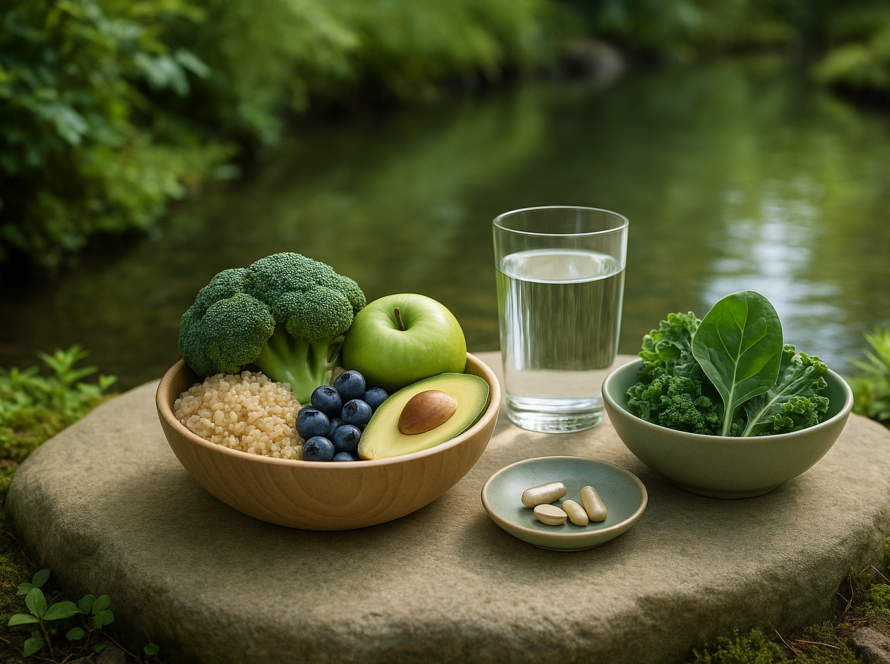
Skin health and graceful aging are influenced by more than just what you put on your face. Nutrition, hydration, sleep, and stress management all shape the skin’s collagen matrix, barrier integrity, and antioxidant defenses. If you’re exploring supplements to support a radiant, resilient complexion—and wondering how IV therapy can complement that plan—this guide from the Forever Young IV Bar wellness perspective will help you choose wisely.
How Skin Ages From the Inside Out
With time and stress, collagen production declines, hyaluronic acid stores diminish, and oxidative stress accumulates. The result is dryness, laxity, dullness, and fine lines. Strategic supplementation can support these pathways: fueling collagen synthesis, strengthening the skin barrier, calming inflammation, and improving hydration at the cellular level.
Start With the Foundations
- Hydration: Aim for steady fluid intake and electrolyte balance. When life gets demanding or dehydrating, targeted support like Hydration IV Therapy can rapidly restore fluids and electrolytes to support plumper-looking skin from within.
- Protein and colorful plants: Adequate protein supplies amino acids for collagen; fruits and vegetables provide antioxidants and polyphenols that counter daily oxidative stress.
- Sun protection: Supplements can assist, but broad-spectrum sunscreen, clothing, shade, and smart scheduling remain non‑negotiable.
- Sleep and stress: Deep sleep and stress management help regulate hormones that influence oil production, repair, and inflammation.
Core Supplement Categories for Skin Health
1) Collagen peptides
Hydrolyzed collagen (types I & III) provides amino acids such as glycine, proline, and hydroxyproline that your body can use to support dermal collagen. Typical daily amounts range from 2.5–10 g. Expect a gradual horizon: hydration and elasticity changes commonly appear around 8–12 weeks of consistent use.
2) Vitamin C
Vitamin C is a cofactor for collagen cross‑linking and a frontline antioxidant. Dietary sources (citrus, berries, peppers) are great; many people also add 250–1,000 mg/day in divided doses. For intensive support during high stress or recovery periods, some clients consider periodic High Dose Vitamin C IV Therapy under clinical supervision.
3) Hyaluronic acid
Oral low‑molecular‑weight hyaluronic acid (commonly 120–240 mg/day) can help support skin moisture and elasticity over several weeks. It pairs well with topical humectants and ceramides.
4) Ceramides
Plant‑derived ceramides (often labeled “phytoceramides,” 20–70 mg/day) support the skin’s lipid barrier, helping reduce transepidermal water loss (TEWL). They’re most useful for dryness, tightness, or flakiness, especially in dry climates or winter months.
5) Omega‑3 fatty acids
EPA and DHA from fish or algae oil can help balance inflammatory pathways that influence redness, sensitivity, and breakouts. A common wellness range is 1–2 g/day combined EPA+DHA with meals. If you use anticoagulants, consult your clinician first.
6) Targeted antioxidants: CoQ10 and astaxanthin
Coenzyme Q10 supports cellular energy and may help maintain skin smoothness, while astaxanthin—a carotenoid from microalgae—has been studied for improvements in skin moisture and elasticity. Typical amounts: CoQ10 at 50–200 mg/day and astaxanthin at 3–6 mg/day with fat‑containing meals.
7) Nicotinamide (niacinamide)
Nicotinamide is the non‑flushing form of vitamin B3 and supports cellular energy and DNA repair processes. It’s widely used topically; oral use is sometimes considered for photo‑exposed or high‑risk skin under medical guidance. If supplementing orally, discuss dose and duration with your provider to ensure it fits your history and goals.
8) Zinc (situational)
Zinc can assist immune function and oil balance, particularly in those with low intake. Avoid exceeding 40 mg/day long‑term unless directed by a clinician, and pair higher‑dose zinc with copper to maintain mineral balance.
9) Probiotics and postbiotics for sensitive or reactive skin
The gut–skin axis is real: specific Lactobacillus and Bifidobacterium strains have shown promise in supporting skin comfort and resilience, especially in sensitive or dryness‑prone complexions. Strain specificity matters; look for clinically studied strains and give them 8–12 weeks.
Safety First: Read Labels Like a Pro
- Choose third‑party tested brands (USP, NSF, or Informed Choice) to ensure identity and purity.
- Avoid megadoses of fat‑soluble vitamins (A, D, E, K) unless prescribed. Preformed vitamin A (retinol/retinyl esters) can be problematic in pregnancy; beta‑carotene is the safer form for most adults.
- High‑dose biotin can interfere with certain lab tests. Tell your clinician about all supplements before bloodwork.
- If you take prescription medicines (blood thinners, retinoids, thyroid meds), ask about interactions before starting new supplements.
A Simple Framework to Choose the Right Supplements
- Define your top two skin goals: hydration, firmness, brightness, calm/redness, clarity, or resilience.
- Match goals to categories:
- Hydration/barrier: hyaluronic acid + ceramides; consider omega‑3s.
- Firmness/fine lines: collagen peptides + vitamin C; add CoQ10 or astaxanthin.
- Redness/reactivity: omega‑3s; select probiotics/postbiotics; gentle vitamin C.
- Clarity (breakout‑prone): omega‑3s; zinc short‑term if appropriate; probiotics; steady protein and fiber.
- Photo‑exposed lifestyle: vitamin C and targeted antioxidants; diligent sunscreen; discuss nicotinamide with your provider.
- Set a timeline: most skin supplements need 8–12 weeks for measurable changes. Track with consistent selfies and notes.
- Personalize with labs when relevant: vitamin D, iron status, B12, zinc/copper balance, lipids, and thyroid markers can refine choices.
Where IV Therapy Fits Into a Skin‑Wellness Plan
Oral supplements work gradually; IV therapy can offer timely, supervised nutrient support when life gets busy or your skin needs a strategic reset. At Forever Young IV Bar:
- Cosmetic IV Therapy delivers a blend of vitamins, minerals, amino acids, and antioxidants designed to support collagen repair and defend against oxidative stress—great ahead of special events or during high‑stress seasons.
- Hydration IV Therapy helps quickly replete fluids and electrolytes, a foundation for dewy, comfortable skin—especially after travel, intense training, or dry weather.
- High Dose Vitamin C IV Therapy supports collagen synthesis and antioxidant defense when you’re under the weather or want an extra immune‑skin boost.
- NAD+ IV Therapy focuses on cellular energy and repair pathways involved in healthy aging—best considered as part of a broader longevity strategy with sleep, movement, and nutrition dialed in.
- For an antioxidant finisher, a stand‑alone Glutathione Injection can complement your routine, especially during periods of higher oxidative stress.
These options are not replacements for daily habits but can be integrated periodically to support results from a consistent supplement and skincare plan.
Smart Stacks by Goal
Dry, tight, or winter‑stressed skin
Hyaluronic acid + ceramides; collagen peptides; omega‑3s. Consider a Hydration IV when travel, altitude, or busy seasons leave you parched.
Early fine lines and loss of bounce
Collagen peptides + vitamin C; add CoQ10 or astaxanthin for extra antioxidant support. Cosmetic IV Therapy can be timed before milestones for a short‑term radiance boost.
Redness‑ or blemish‑prone
Omega‑3s; targeted probiotics/postbiotics; zinc short‑term if advised; emphasize sleep and low‑glycemic meals. Keep topicals gentle and non‑comedogenic.
Outdoor‑heavy lifestyle
Vitamin C, antioxidants, and diligent SPF. Discuss nicotinamide with your clinician if you have significant sun exposure or personal risk factors.
How to Evaluate Quality and Dosing
- Forms matter: choose bioavailable options (e.g., triglyceride‑form fish oil; hydrolyzed collagen; low‑molecular‑weight hyaluronic acid).
- Start low, go slow: introduce one new supplement every 2–3 weeks so you can assess tolerance and benefits.
- Cycle smartly: some antioxidants can be used seasonally (e.g., astaxanthin in peak sun months), while foundation basics (omega‑3s, ceramides, collagen) are often taken year‑round.
Timelines and Expectations
- Weeks 2–4: hydration and comfort may improve (hyaluronic acid, ceramides).
- Weeks 8–12: elasticity and texture changes emerge (collagen peptides, omega‑3s, antioxidants).
- Three months and beyond: cumulative benefits in tone, resilience, and bounce—especially when paired with consistent skincare, sunscreen, and restorative sleep.
Bottom Line
Choosing supplements for skin health and anti‑aging is about alignment: your goals, your lifestyle, and your biology. Build on nutrition, hydration, and sun protection; add targeted support like collagen, vitamin C, hyaluronic acid, ceramides, omega‑3s, and select antioxidants; and personalize with professional guidance when needed. IV therapy at Forever Young IV Bar can be layered in thoughtfully—to rehydrate quickly, reinforce antioxidant defenses, or support cellular energy—while your daily habits do the heavy lifting.
If you’d like help tailoring a plan, bring your goals and current regimen to your next visit. Together we can create a sustainable, skin‑smart routine that fits your life.