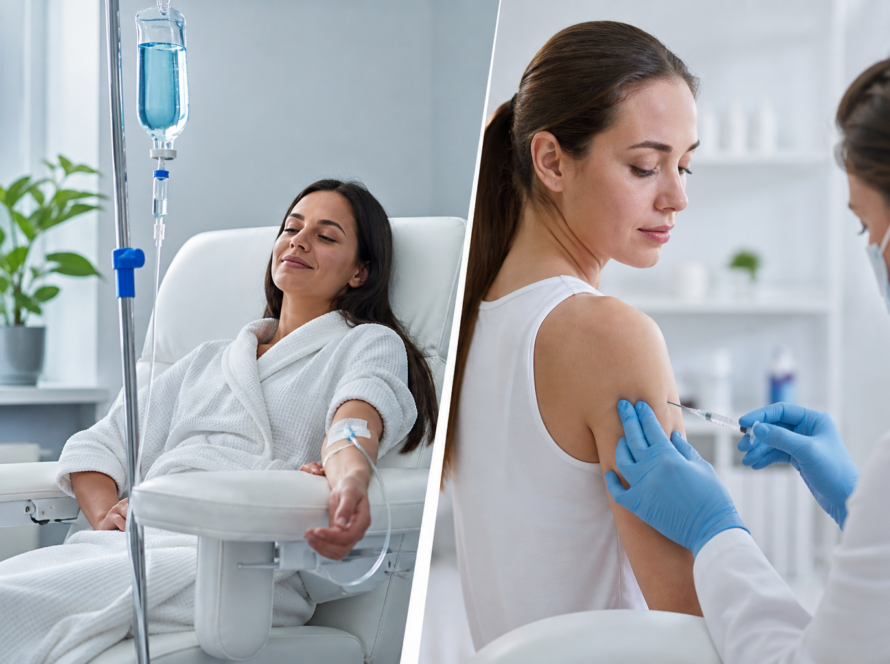
Feeling constantly “on” takes a toll on your body and mind. Medical spas create an environment designed to downshift your nervous system—quiet lighting, controlled temperature, soothing sound, and skilled clinicians who guide evidence‑informed therapies. At Forever Young IV Bar, we also view relaxation as a whole‑body practice: when breathing slows, muscles soften, hydration improves, and nutrients reach your cells efficiently, your mental well‑being follows. Below are 10 relaxation techniques you’ll often find in modern medical spas, plus simple ways to use them during an IV drip or wellness visit to cultivate calm—without turning it into another item on your to‑do list.
How medical spas help your nervous system reset
Stress keeps the sympathetic nervous system (fight‑or‑flight) in the driver’s seat. Relaxation practices recruit the parasympathetic system (rest‑and‑digest), shifting physiology toward slower heart rate, deeper breathing, better digestion, and clearer thinking. Spa environments are intentionally built to cue this shift. Add hydration and targeted nutrients, and you create an ideal setting to lower mental noise and restore balance.
10 evidence‑informed relaxation techniques you can experience at a medical spa
1) Diaphragmatic breathing with gentle HRV biofeedback
Slow, nasal breathing at a comfortable pace (about 5–6 breaths per minute) stimulates the vagus nerve and steadies heart‑rate variability (HRV), a marker of resilience. Many medical spas use simple biofeedback tools—lighted breath pacers or HRV apps—to help you find a rhythm that feels natural. Try this during your IV session: inhale for 4–5 counts, exhale for 6–7 counts, and let your shoulders drop with each out‑breath.
2) Mindfulness micro‑meditations
Mindfulness doesn’t require a 45‑minute sit. In a spa setting, 3–10 minute “micro‑meds” can be enough to quiet rumination. Choose a single anchor—breath, ambient sound, or the sensation in your hands—notice when the mind wanders, and gently return. Over time, the brain learns the route back to calm faster.
3) Aromatherapy for sensory downshifting
Essential oils such as lavender, bergamot, or cedarwood can cue relaxation through scent pathways tied to emotion and memory. Inhale calmly, as if you’re smelling a warm cup of tea. Pair aroma with slow breathing to reinforce the relaxation response. Pro tip: choose one signature scent for “relax only” moments so your brain starts to associate that aroma with unwinding.
4) Progressive Muscle Relaxation (PMR)
PMR alternates gentle tensing and releasing of muscle groups from feet to forehead. It reduces muscle guarding and teaches your body the difference between tight and relaxed. In a recliner, start with toes for five seconds, release for ten, then move up through calves, thighs, hips, abdomen, hands, forearms, shoulders, neck, and face. Combine with soft exhalations to amplify the effect.
5) Sound therapy and binaural beats
From singing bowls to curated playlists, sound can nudge your brain toward calmer rhythms. Binaural beats (slightly different tones in each ear) may encourage relaxed attention for some listeners. Use comfortable volume and choose non‑lyrical tracks to avoid mental chatter. Let the sound be “background weather” rather than something to analyze.
6) Infrared or warm therapy for deep‑body ease
Gentle heat promotes peripheral circulation and can loosen persistent muscle tension. Many guests like a brief warm session before or after a drip to soften stress held in the shoulders and low back. Hydrate before and after heat sessions and skip if you’re heat‑sensitive, pregnant, or have conditions affected by temperature changes.
7) Halotherapy (salt‑room breathing)
Quiet salt rooms provide a low‑stimulus space to breathe slowly and unwind. Use a 4‑7‑8 breathing pattern or simple box breathing (inhale–hold–exhale–hold for equal counts) while resting your gaze. The real benefit here is structured stillness: a set time where your only job is to do less.
8) Acupuncture or ear‑seed (auricular) calming points
Many medical spas collaborate with licensed acupuncturists to apply fine needles or ear seeds to relaxation points. Clients often report a warm heaviness and quieter thoughts within minutes. If needles aren’t your preference, tiny ear seeds on calming points can offer a similar grounding ritual you can continue at home.
9) Nutrient and hydration support during a drip
Relaxation is easier when the basics are covered: fluids, electrolytes, and key micronutrients that support the nervous system. During an IV session, pair your breathwork or meditation with targeted formulas that fit your goals. Examples at Forever Young IV Bar include:
- Mood Support IV Therapy for a calming, balanced reset with nutrients that support relaxation and mental clarity.
- Hydration IV Therapy when travel, heat, or long workdays leave you wired‑and‑tired; rehydration often eases headaches and fog that amplify stress.
- Brain Health IV Therapy if focus and mental sharpness are your priority while you practice mindfulness or HRV breathing.
- Energy IV Therapy to support stamina and resilience under stress without a caffeine crash.
These options are administered by licensed clinicians; they’re supportive, not cures. Always share your medications and health history so we can tailor safely.
10) Guided imagery (with optional VR support)
Guided imagery invites you to picture a calming scene—details of light, sound, temperature, even a gentle breeze—and let the body follow the mind’s cue to soften. Some spas add virtual reality for a richer sense of presence. Whether eyes‑closed or VR‑assisted, the key is sensory specificity: what you see, hear, and feel in that safe place.
Build your personal “calm circuit”
Think of these techniques as ingredients. Combine two or three that suit your needs and time window, then repeat them consistently so your nervous system recognizes the path back to calm.
- Time‑crunched (20–30 minutes): HRV breathing + aromatherapy while seated; brief PMR for shoulders and face.
- Focused reset (45–60 minutes): Warm therapy or a salt‑room sit, followed by a quiet IV drip with mindfulness and sound therapy.
- End‑of‑week unwind (60–75 minutes): Guided imagery, then a drip such as Mood Support or Hydration, finishing with five minutes of gratitude journaling before you leave.
Choosing the right techniques for you
- Goal: Is it anxious restlessness, mental fog, or physical tension? Match technique to need (breathwork for restlessness, Brain Health‑style support for focus, PMR for tension).
- Sensitivity: If you’re scent‑sensitive, skip strong aromas and lean on sound or imagery. Heat‑sensitive? Choose breathwork and mindfulness instead of sauna time.
- Consistency: Tiny daily reps matter more than occasional marathons. Two minutes of breathing before emails can be as powerful as a weekly session.
- Medical considerations: If you’re pregnant, have cardiorespiratory conditions, migraines triggered by sound/light, or are on specific medications, ask your provider which options are best.
A 60‑minute relaxation flow you can try during your next visit
- Arrival (3 minutes): Set an intention—one word you want to feel (calm, clarity, ease).
- Breath primer (5 minutes): 4–6 breathing with longer exhale; drop the jaw and soften the eyes.
- PMR scan (7 minutes): Calves, thighs, hands/forearms, shoulders, jaw, and brow.
- Drip + sensory support (30–45 minutes): Choose a suitable IV (for example, Mood Support IV Therapy or Hydration IV Therapy) and listen to a binaural or instrumental playlist while practicing soft nasal breathing.
- Close (3 minutes): Guided imagery—picture a place you associate with safety and ease; lock it in with three slow breaths.
Safety first
Wellness services are complementary, not a substitute for medical care. If you have chronic health conditions, are pregnant or nursing, or take prescription medications, consult your clinician before adding heat exposure, new supplements, or IV therapies. Stop any session if you feel dizzy, overheated, or unwell—and hydrate well before and after.
The takeaway
Relaxation is not a luxury; it’s a trainable skill. In the right setting, small practices—breathwork, PMR, mindful sound, and sensory rituals—can recondition your stress response and support mental well‑being. When you’re ready, pair those techniques with targeted hydration and nutrients during a calm, guided IV session to reinforce the shift from “fight‑or‑flight” to “rest‑and‑digest.” Your nervous system learns from repetition; give it regular, gentle reminders, and balance becomes your new baseline.