Whether you are training for a race, pushing heavy in the gym, or managing a full season of competition, recovery is the hidden variable that determines how consistently you can perform. Cryotherapy—strategic exposure to cold—has emerged as a popular tool to reduce soreness, manage inflammation, and speed the return to high-quality training. At Forever Young IV Bar, we view cryotherapy as one part of a thoughtful, whole-person recovery plan that also prioritizes hydration, sleep, nutrition, and nervous-system balance. Below, you’ll find an evidence-informed guide to using cold wisely for athletic recovery and muscle repair, plus ways to pair cryotherapy with supportive wellness modalities.
How Cryotherapy Supports Recovery
Cryotherapy is an umbrella term that includes whole-body cryotherapy chambers, cold-water immersion, contrast water therapy, localized cold packs, and even brief cold showers. While methods vary, the physiological goals overlap:
- Reduce perceived muscle soreness (DOMS): Cold exposure can blunt pain signals by slowing nerve conduction and dampening inflammatory mediators that sensitize sore tissues.
- Modulate inflammation—without eliminating it: The aim isn’t to “turn off” inflammation (a key signal for adaptation) but to keep it in a productive range so you can resume quality training sooner.
- Restore neuromuscular readiness: Short, intense cold bouts may improve perceived freshness and jump performance for some athletes, especially during tournament-style competition weeks.
- Promote mental reset: Brief cold exposure can acutely increase alertness and focus, useful on heavy training blocks and travel days.
Timing Is Everything: When to Use Cold for Best Results
Cold is a tool; timing determines its effect. Use these practical guardrails to align cryotherapy with your training goals:
- After endurance and high-volume conditioning: A session within 1–4 hours post-training can take the edge off soreness and help manage next-day fatigue. This window preserves early training signals yet reins in excessive inflammation.
- During strength or hypertrophy blocks: If your priority is muscle growth, separate cold exposure from lifting by 6 or more hours, use it on rest days, or reserve it for deloads and competition prep. Immediate post-lift cold may slightly blunt muscle-building signals in some contexts.
- Pre-competition: Some athletes like a brief cold session 30–60 minutes before competition for arousal and focus. Test this in practice first and avoid immediately before maximal strength or power attempts if you feel “stiff” when cold.
- Acute strains and bumps: Early cold (along with compression and elevation) can help ease pain and swelling in the first 24–72 hours after a minor tweak. Always seek medical evaluation for significant injuries.
Practical Protocols: Whole-Body, Water, and Localized Cold
Whole-Body Cryotherapy (WBC)
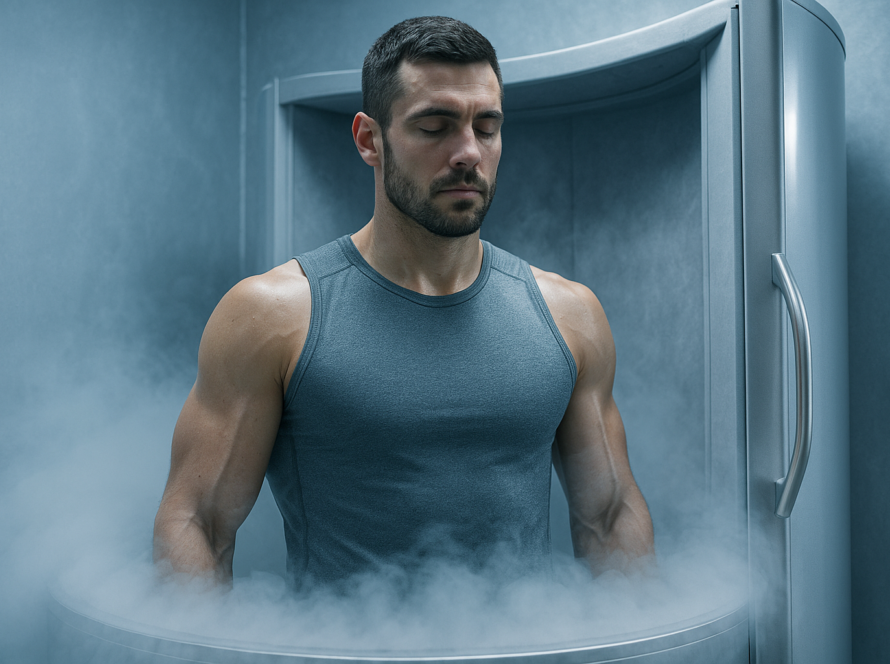
- Temperature & duration: Commonly −110°C to −140°C for 2–3 minutes.
- Frequency: 2–5 sessions per week during heavy blocks; as needed during competition weeks.
- Preparation: Dry skin, remove metal jewelry, and wear protective socks, gloves, footwear, and ear/face coverings as directed.
Cold-Water Immersion (CWI) and Contrast Water Therapy
- CWI: 10–15 minutes at ~10–15°C after high-volume or hot-weather sessions.
- Contrast: Alternating hot and cold (e.g., 1–2 minutes cold, 2–3 minutes warm for 3–5 cycles) can be useful when access to a chamber or tubs is limited.
Localized Cold (Targeted Areas)
- Ice or cold packs: 10–20 minutes to problem spots (e.g., calves, knees, shoulders) when generalized cooling isn’t needed.
- Pair with mobility: Gentle range-of-motion and light blood-flow work after re-warming helps restore movement quality.
Safety First: Who Should Be Cautious with Cryotherapy
Cryotherapy is generally well tolerated when done properly, but it is not for everyone. Avoid or seek medical clearance if you have uncontrolled hypertension, significant cardiovascular disease, severe Raynaud’s, cold urticaria (cold allergy), active wound infection, or if you are pregnant. Sessions should be supervised, kept brief, and never performed with wet clothing or damp skin. Stop immediately if you feel lightheaded, numb beyond the usual tingling, or unwell. As always, discuss new therapies with your healthcare provider if you have medical conditions.
Cryotherapy and Muscle Growth: Finding the Sweet Spot
It can be helpful to think of recovery tools on a spectrum. When your priority is adaptation (gaining size or strength), you want enough inflammation to trigger growth. When your priority is availability (being ready for tomorrow’s session or a multi-day event), you may tolerate more aggressive recovery tactics, including cold, to reduce soreness. The bottom line: match the tool to the goal, and pay attention to your personal response—some athletes feel looser and sharper after cold; others prefer it only on rest days.
Build the Foundation: Habits That Supercharge Cryotherapy
- Hydration and electrolytes: Cold does not fix dehydration. Adequate fluids and minerals are essential for muscle recovery, circulation, and nerve function.
- Protein and amino acids: Aim for a meal or shake supplying ~25–40 g of high-quality protein (with leucine) within a few hours of training to support muscle repair.
- Carbohydrates for reload: Replenish glycogen after long or intense sessions to restore power for subsequent workouts.
- Sleep and stress: Deep sleep drives growth hormone pulses and tissue repair. Protect your wind-down routine on cold-therapy days.
- Movement and breathwork: Light mobility and diaphragmatic breathing post-cold can help rewarm tissues and settle the nervous system.
Integrative Recovery at Forever Young IV Bar
For athletes and active individuals who want a seamless, whole-body recovery plan, pairing cryotherapy with targeted hydration and nutrient support can be a smart strategy. Consider these options as part of a personalized program:
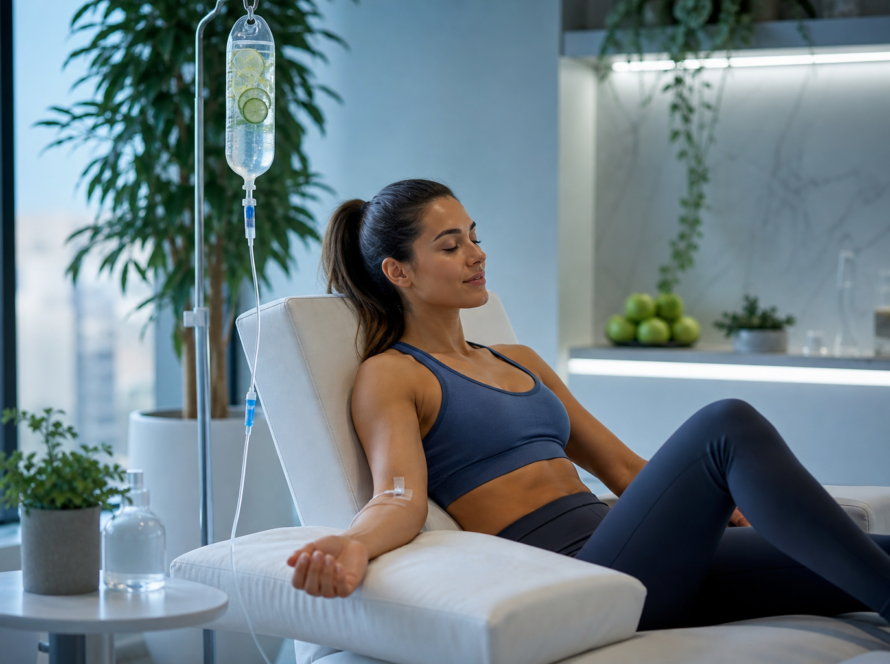
- Athletic Performance IV Therapy: Formulated with fluids, electrolytes, B vitamins, minerals, and amino acids to support endurance, reduce fatigue, and accelerate recovery on heavy training or competition days.
- Hydration IV Therapy: Rapid fluid and electrolyte replenishment—especially helpful after hot-weather sessions, long runs, rides, or tournaments.
- Recovery IV Therapy: A restorative blend featuring vitamins, minerals, amino acids, and antioxidants designed to help you bounce back from overreaching and high cumulative training stress.
- Tri-Amino Acids Injection: L-Arginine, L-Citrulline, and L-Ornithine support blood flow, stamina, and muscle recovery—an efficient add-on during intense blocks.
Not sure which combination fits your goals? Our team can help you align timing—cold exposure, fueling, hydration, and training—so that each element supports the next.
Sample Week: Putting It All Together
- Monday (Lower-Body Strength): Lift in the morning, protein-rich meal post-workout. Optional cryotherapy in the evening (6–10 hours later) if soreness tends to linger.
- Wednesday (Intervals or Tempo): Fuel and hydrate post-session. Consider cryotherapy within 1–4 hours to reduce DOMS and feel fresh for Thursday skill work.
- Friday (Full-Body Strength): Prioritize sleep and nutrition. Use localized cold only for hot spots. Save whole-body cryo for Saturday if needed.
- Weekend Competition: Brief cold session 1–2 hours post-event; rehydrate, refuel, and perform light mobility after rewarming.
Frequently Asked Questions
How quickly should I rewarm after cryotherapy?
Let your body naturally rewarm for 10–20 minutes, then add gentle movement and a warm shower if desired. Avoid jumping straight into high-intensity efforts until you feel fully loose again.
Can I combine cryotherapy with compression or massage?
Yes. Many athletes pair cold with compression garments or light flush work on off-days. If you receive bodywork, schedule cryotherapy either earlier that day or the following day so your tissues aren’t overly chilled during treatment.
Will cryotherapy replace proper nutrition and hydration?
No. Think of cryotherapy as a performance multiplier—its benefits are greatest when you’ve nailed the basics of fluids, electrolytes, protein, carbohydrates, and quality sleep.
Bottom Line
Cryotherapy can be a powerful ally for reducing soreness, supporting neuromuscular readiness, and sustaining high training frequency—when you use it intentionally. Time your cold exposure around your training goals, respect safety guidelines, and build a foundation of hydration, fueling, and sleep. If you want a streamlined plan that pairs cold therapy with targeted nutrient support, consider integrating options like Athletic Performance IV Therapy, Hydration IV Therapy, Recovery IV Therapy, or the Tri-Amino Acids Injection at Forever Young IV Bar. Used together, these strategies can help you repair smarter, train consistently, and perform at your peak.
This article is educational and not a substitute for medical advice. Consult your healthcare provider before starting new therapies, especially if you have cardiovascular, neurological, or cold-related conditions.