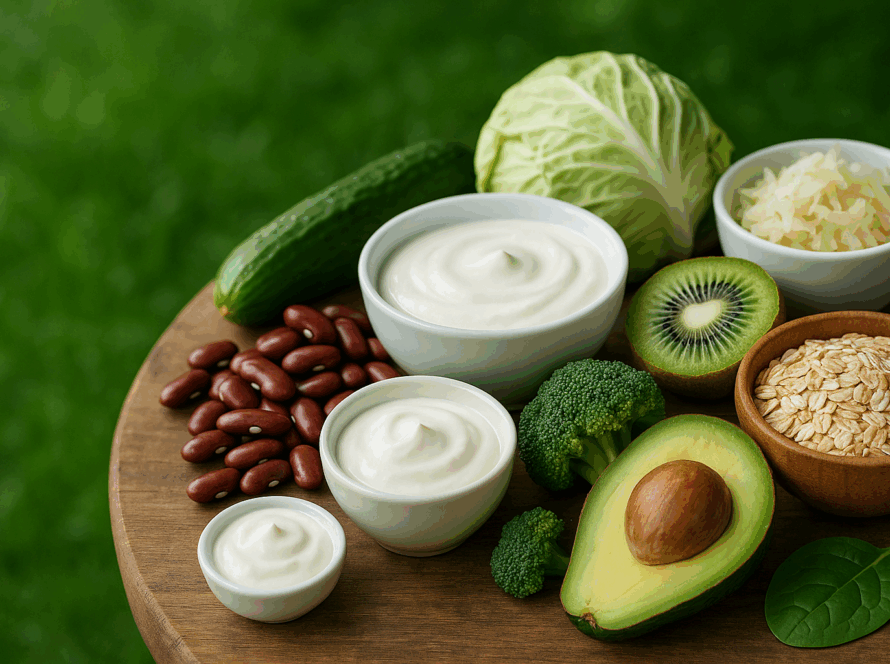
Your gut does far more than break down food — it influences energy, mood, immunity, and long-term wellness. When digestion runs smoothly, you think more clearly, recover faster, and feel more resilient day to day. At Forever Young IV Bar, we take a whole-person view of wellness, and that begins with daily habits that nurture a healthy microbiome and a calm, efficient digestive system. Below are ten simple, science‑informed ways to optimize gut health, plus thoughtful ways IV therapy can complement (not replace) your routine.
10 Simple Ways to Optimize Your Gut Health
1) Crowd your plate with plants and fiber
Fiber feeds beneficial gut bacteria and supports regularity, balanced blood sugar, and satiety. Aim for a colorful mix of vegetables, fruits, legumes, nuts, seeds, and whole grains. Variety matters: try to include 20–30 different plant foods each week. If you’re increasing fiber, go slow and pair it with fluids to reduce bloating.
2) Focus on prebiotics that “feed” your microbiome
Prebiotic fibers found in foods like garlic, onions, leeks, asparagus, oats, apples, and slightly green bananas help beneficial microbes thrive. Start with small servings and notice how you feel — a little daily consistency goes further than large, occasional portions.
3) Add fermented foods (gradually)
Yogurt with live cultures, kefir, sauerkraut, kimchi, miso, tempeh, and kombucha can add helpful microbes. Introduce a few spoonfuls at a time if you’re new to fermented foods, especially if you’re sensitive to histamines or have active digestive symptoms.
4) Hydrate strategically for smoother digestion
Water keeps stool soft and supports the body’s natural detox pathways. If you sweat heavily, travel often, or exercise intensely, consider fluids with electrolytes to maintain balance. For days when you’re behind on hydration or recovering from heat, illness, or long flights, Hydration IV Therapy can provide a direct replenishment of fluids and electrolytes to support overall well-being.
5) Build balanced meals for steady energy
Combine protein (fish, poultry, tofu, legumes), healthy fats (olive oil, avocado, nuts), and complex carbohydrates (quinoa, brown rice, sweet potatoes, beans) at each meal. This steadies blood sugar and supports a stable internal environment where your gut can function optimally.
6) Eat on a rhythm and chew thoroughly
Digestion starts in the mouth. Chewing well signals the rest of your GI tract to prepare for incoming food. Leaving 3–4 hours between meals (when appropriate for your needs) gives your body time for natural “housekeeping” waves that help clear the small intestine. Try to finish larger meals 2–3 hours before bedtime to support sleep and reduce reflux.
7) Move your body every day
Gentle movement enhances gut motility and can ease constipation and bloating. A 10–20 minute walk after meals, light core work, yoga twists, or diaphragmatic breathing can all encourage better flow. Think “often over intense” when your goal is digestive comfort.
8) Protect sleep and your circadian rhythm
Adults generally thrive on 7–9 hours of quality sleep. Aim for consistent bed and wake times, morning light exposure, and minimal devices late at night. Rest restores the gut lining, regulates appetite hormones, and helps your microbiome maintain a healthy rhythm.
9) Calm stress to support the gut–brain axis
Your nervous system and digestive system are deeply connected. Daily stress management — breathwork, journaling, mindfulness, nature time, or gentle stretching — can reduce tension-related symptoms like cramping, urgency, or reflux. If you’re navigating heavy stress and feel run-down, targeted nutrient support such as Mood Support IV Therapy may complement relaxation practices by replenishing key micronutrients that support calm and balance.
10) Be supplement- and medication-smart
Talk with a qualified provider before starting new supplements, especially if you take medications or have GI conditions. If laboratory testing reveals a B12 deficiency — common in people with limited intake or absorption challenges — a Vitamin B12 Injection bypasses the digestive tract and can support energy and red blood cell production. When you need antibiotics, use them as prescribed and consider reintroducing fiber- and fermented-food variety afterward to help restore balance.
When IV Therapy Can Thoughtfully Complement Gut Care
IV therapy is not a cure for digestive conditions, but it can be a smart adjunct when life gets busy or recovery needs are higher. For example, after travel, intense training, or periods of high stress, hydration and micronutrient support may help you feel steadier while you get back to your foundational habits.
• Replenish fluids and electrolytes when you’re behind: Hydration IV Therapy offers 500 mL or 1000 mL options for rapid rehydration.
• Support gentle detox pathways alongside a nutrient-dense diet: Diet & Detox IV Therapy provides vitamins, minerals, amino acids, and antioxidants to complement healthy lifestyle changes.
As always, these are supportive options — not replacements for medical care, fiber-rich nutrition, movement, sleep, and stress management.
A Simple 7‑Day Gut-Friendly Reset (No Fads, No Starvation)
Use this gentle framework to “reset” without extremes. Adjust portions and foods to your needs and talk to your clinician if you have a medical condition.
- Fiber variety target: include 2–3 different plants per meal. Rotate colors and types (leafy greens, crucifers, berries, beans, whole grains).
- Hydration anchor: drink water at wake-up and between meals; add electrolytes after workouts or travel. Consider a one-time Hydration IV Therapy session if you’re starting the week behind on fluids.
- Fermented food “micro-dose”: 1–2 spoonfuls of sauerkraut or a half cup of yogurt or kefir daily, as tolerated.
- Movement snack: 10–20 minute post‑meal walk, plus 5 minutes of deep belly breathing in the evening.
- Sleep ritual: screens off 60 minutes before bed, dim lights, and consistent bedtime/wake time.
- Stress care: 5–10 minutes of breathwork, journaling, or meditation daily; pair with Mood Support IV Therapy on your toughest week for added micronutrient support.
- Optional focused support: If your goal includes body composition or reducing cravings while maintaining energy, the nutrient blend in Diet & Detox IV Therapy can complement a high‑fiber, protein‑rich meal plan.
Personalized Guidance Makes a Difference
No two guts are the same. Food preferences, stress load, sleep patterns, activity level, and medical history all shape what works best for you. If you’d like step‑by‑step help creating a plan that fits your lifestyle, consider working with our Nutritional Coach to align meal timing, fiber goals, and supportive therapies with your unique needs.
Safety Notes
If you have ongoing GI symptoms (unintentional weight loss, persistent abdominal pain, blood in stool, black stools, chronic diarrhea/constipation), or a diagnosed condition like IBD, celiac disease, or SIBO, please consult your healthcare provider before changing your diet or starting supplements or IV therapy. IV treatments are provided after medical screening to ensure safety and suitability.
The Bottom Line
Great gut health is built on consistent, doable habits: plant diversity, prebiotics, fermented foods, smart hydration, balanced meals, daily movement, quality sleep, and stress care. Start with one or two changes, notice the wins, and stack from there. When you need a little extra support, targeted options such as Hydration IV Therapy, Diet & Detox IV Therapy, a Vitamin B12 Injection, or sessions with a Nutritional Coach can complement — not replace — the foundational practices that keep your digestive system strong.
Small steps, repeated often, transform how you digest, feel, and live.